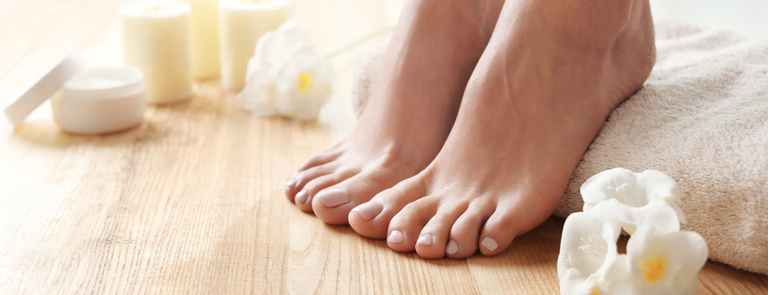
When we consider beauty, we mostly refer to the face, hair or hands. But no legs and feet are less important. They hold us up all the day, have influence over our posture, and greatly influence our general appearance. Fat free legs and soft feet do not only appear nice but they also indicate that, you are concerned about your health and hygiene.

Regrettably, the attention of legs and feet is not given much. Rough skin, cracked heels and fatigued feet may be caused by dust, dry weather, lengthy working hours, and non-comfortable shoes. The positive thing is that you do not have to spend your money on costly treatments in the salons to remedy this. It only takes a couple of easy habits to keep beautiful legs and delicate feet naturally at home.
Why Leg and Foot Care Matters
Stress on your legs and feet on a daily basis. Such problems as swelling, calluses, dryness, and cracked heels are frequent without proper care. Frequent cleaning enhances the flow of blood, maintains softness of skin, and avoids chronic complications. Healthy feet also contribute to lessening the body fatigue and make the experience of walking or standing more comfortable.
Step 1: Everyday Cleaning and Sitbath Foot Bath
Beauty is based on clean skin. Herbal bath- at the end of the day, wash your feet in warm water and keep it about 10-15 minutes. Essential oil a few drops or pinch of salt can be added to uppercase soap. This assists in the elimination of dirt, loosening of straining muscles and hardening of skin.
Foot soaking will also make the skin ready to exfoliate and decrease the swelling.
Step 2: Smooth Heel and Feet exfoliation
Exfoliation is necessary after the soaking to get rid of dead skin. A pumice stone is one of the best and natural tools. The Pumice Stone Pedicure Exfoliation Scrubber that I would recommend is on Amazon:
This pumice stone helps in:
- Removes rough and dead skin
- Helps repair cracked heels
- Is long lasting and convenient at home.
- Use it sparingly 2-3 times in a week to have a smooth healthy feet.
Step 3: Intensive Hydration and Dawn Repair
Moisturizing is important like exfoliation. It is always good to put on a thick foot cream, balm or natural oil after exfoliating. Create circular movements on it to enhance its absorption and blood circulation.
Additional tip: Cotton socks are to be worn overnight after the use of cream. This seals the moisture and heals the dry or cracked heels in a shorter time.
Step 4: Hair Removal of Polished and Smooth Legs
Smooth legs will make you look elegant. Depending on the skin you have you can opt:
- Shaving for quick results
- Even bigger, longer-lasting smoothness with waxing.
- Sensitive skin hair removal creams.
The second action is to apply moisturizer in order to prevent the irritation and dryness.
Step 5: Leg and Foot Circumferential Massage
A massage of five or ten minutes per day will marvel. Add coconut oil, olive oil or natural oil. Massage helps:
- Improve blood circulation
- Reduce swelling and pain of feet.
- Relax and have a more restful sleep.
It is a more beautiful and healthful practice.
Step 6: Nail Care and Hygiene
Nail objects are trimmed perfectly to give the beauty to the beautiful feet. Wipe nails after trimming, cuticles as well and do not trim the nails too deep. Wash daily to keep your feet clean and smell free.
Step 7: Wear Comfortable Shoes
Tight or uncomfortable shoes can cause corns and blisters as well as permanent foot complications. Choose shoes that are:
- Comfortable
- Breathable
- Properly sized
Good shoes have the potential to safeguard your feet and posture.
Step 8: Diet, Hydration and Sun Protection
A beautiful skin starts with the inside. Consume adequate water and drink fruits, vegetables, nuts and foods high in omega-3. Water also maintains the skin as wet and enhances the skin elasticity. You can even traced some few reflexology points and this simple practice does not only make your feet healthy but also enhances a wellbeing.
And also do not forget to put on sunscreen on your legs. and have your legs covered with a sunscreen, and you will not tan or age.
Final Thoughts
It is not luxury with beautiful legs and soft feet, it is regular care. Such easy routines as cleansing, exfoliating using a pumice stone, moisturizing, massage, good shoes and a healthy lifestyle can help you change your legs and feet without any artificial support.
Allow your feet some rest in a day. they bear you through life and they really merit it.
…..
The second action is to apply moisturizer in order to prevent the irritation and dryness.
Step 5: Leg and Foot Circumferential Massage.
A massage of five or ten minutes per day will marvel. Add coconut oil, olive oil or natural oil. Massage helps:
Improve blood circulation
Reduce swelling and pain of feet.
Relax and have a more restful sleep.
It is a more beautiful and healthful practice.
Step 6: Nail Care and Hygiene
Nail objects are trimmed perfectly to give the beauty to the beautiful feet. Wipe nails after trimming, cuticles as well and do not trim the nails too deep. Wash daily to keep your feet clean and smell free.
Step 7: Wear Comfortable Shoes
Tight or uncomfortable shoes can cause corns and blisters as well as permanent foot complications. Choose shoes that are:
Comfortable
Breathable
Properly sized
Good shoes have the potential to safeguard your feet and posture.
Step 8: Diet, Hydration and Sun Protection.
A beautiful skin starts with the inside. Consume adequate water and drink fruits, vegetables, nuts and foods high in omega-3. Water also maintains the skin as wet and enhances the skin elasticity.
And also do not forget to put on sunscreen on your legs. and have your legs covered with a sunscreen, and you will not tan or age.
…..
The Best Remedy to Calluses: How to Get off hard skin without hurting oneself.
Among the skin issues that are common among men and women are the calluses. They normally occur on the feet and hands because of recurring pressure or friction. Although calluses are not dangerous, they are capable of drying, roughing, getting uncomfortable and even painful when they are left unattended.
The positive aspect is that you do not have to spend a lot of money to address them. Given the correct treatment, the correct equipment, and the constant, you can naturally eliminate calluses and have a soft and healthy skin. In this article, you will get to know the cause of calluses, how to treat them in your own home and how to ensure they do not go back.
What Are Calluses?
A callus is a hardened portion of the skin which develops as a natural protection against chronic friction or friction. This hard layer of skin is formed by your body to prevent blisters or any injury to it. But in cases when the skin is too thick or dry it may crack and become discomforting.
Calluses commonly appear on:
Heels
Soles of the feet
Toes
Palms and fingers
Those who have to spend many hours on their feet, tight shoes, or walk barefoot or use a tool frequently are prone to calluses.
Common Causes of Calluses
Knowledge of the cause will stop future issues. The most widespread causes are:
Wearing ill-fitting or tight shoes.
Long-term standing or walking.
Exposing oneself to hard floors.
Monotonous handwork or manual labor.
Frictional sports activities.
The main focus of the long-term relief is to reduce friction and pressure.
Symptoms of Calluses
Calluses are not difficult to distinguish. Common signs include:
Thick, hard, or rough skin
Dry or flaky texture
Yellowish or gray in appearance.
Light-sensations of pain or pressing during walking.
In case a callus is very painful or deeply cracked or infected, they should seek medical advice.
The Homestead Remedies of Calluses.
Step 1: Soak and Exfoliate (Most Important Step)
Softening of skin is the initial stage of the process of callus removal. Wet hands or feet in warm soapy water 10- 15 minutes. This softens the skin that has died and exfoliation is easier.
Put the callus in water after which it is sponged with pumice stone or foot file. This does not destroy healthy skin as it removes the thick layer of dead skin.
A pumice stone foot file exfoliator is a very fine choice to use on a regular basis. It is not difficult to work with, efficient, and is able to smooth rough skin in a few sessions.
The standard business model can either be offline or online.<|human|>The typical business model may be offline or online.
Step 2: Be Soft and Con each of them.
Reporting is better than coercion. Do not scrape too much or take too much skin at a time, it may result in irritation or even injury. Take off twice or thrice per week and leave your skin to be healed.
Another way to lower friction is to wear comfortable shoes and wear gloves in case of manual work.
Step 3: Hydrate and Rejuvenate the Skin.
The step to follow exfoliation is to moisturise. Use a rich foot cream/balm which includes nourishing properties such as shea butter, urea or natural oil.
In extremely dry or cracked calluses a cracked heel healing foot cream is the best. An example of a cream such as Pumice Valley Cream on Cracked Heels is very hydrating, heals cracks, and makes the skin soft again.
This enables people to develop a solid bond with the brand and boost sales.<|human|>This helps individuals to get a strong connection with the brand and increase sales.
The cream should be applied at night and the cotton socks should be used to get a quicker result.
Home Remedies of Calluses (Natural).
You can also supplement your daily routine with natural remedies:
Lemon juice: This is useful in softening thick skin.
Coconut oil: Keeps the skin hydrated and cracks away.
Epsom salt: Softens the skin and relaxes muscles.
Honey: This is a natural moisturizer that is antibacterial.
Combination with exfoliation and moisturizing is best when using these remedies.
Prevention of Calluses Recurrence.
When you are getting on better, prevention is the point:
Keep feet clean and dry
Apply moisturizer on daily basis particularly at night.
Wear well-fitting shoes
Do not walk barefooted on pavements.
Apply pressure ulcer pads.
Nails should always be trimmed to improve toe pressure.
Big difference between small everyday habits.
When to See a Doctor
Majority of the calluses are treatable at home. Nevertheless, patients that have diabetes, poor blood flow, or nerve issues must seek medical advice prior to callus treatment. Calluses can also be painful, bleeding, or infected and must be addressed by the medical personnel.
Final Thoughts
The existence of calluses is not unusual, though it does not necessarily mean that they should be permanent. It is possible to maintain the softness of the skin and its good health with frequent moisturizing, exfoliation, and prevention. It doesn’t matter whether you apply the pumice stone exfoliator or a deep-healing foot cream, but the issue of consistency is the true secret. Some few minutes of attention can save you of being discomforted in the long run. Beauty is not the only thing associated with healthy skin, but al