Keeping a yard clean, strong, and good-looking isn’t just about how it looks—it’s about regular care. A neat yard speaks to steady effort. When handled right, even simple tasks can make a huge difference.
Homeowners often look for big changes, but it’s the small jobs that do the most. Routine yard work protects plants, controls growth, and prevents long-term damage. It saves time, cuts cost, and keeps the outdoor space safe and sharp.
Lawn Care Basics You Shouldn’t Skip
The lawn is often the first thing people notice. It also suffers the most from neglect. Keep grass strong by mowing at the right height, usually between 2.5 and 3 inches. Too short, and the roots dry out. Too long, and pests move in.
Cut only one-third of the grass height at once. Keep blades sharp to avoid tearing the grass. Rotate the mowing pattern every week to prevent soil compaction.
Water in the early morning. About one inch of water per week—either from rainfall or hose—is enough. Deep watering helps roots grow stronger.
Garden Maintenance Tips That Pay Off
Healthy gardens rely on balance. Dead leaves, poor soil, and overgrowth lead to weak plants. Stick to a routine:
- Pull weeds weekly.
- Remove dead flowers and stems.
- Add compost or organic fertilizer every season.
- Watch for bugs, mold, or signs of disease.
Use hand tools to prune small plants. For taller plants or vines, use clean shears or clippers. A garden that’s checked twice a week stays healthy year-round.
Pruning Shrubs and Trees at the Right Time
Pruning helps shape the yard and keeps plants strong. Cut off dead or broken branches in late winter or early spring. This helps the plant heal before the growing season starts.
Summer is a good time for light shaping. Avoid heavy trimming during fall, since it may leave open cuts during frost.
Always cut just above the branch collar and never too close to the trunk. Disinfect tools between cuts to avoid spreading disease.
Weed Control Methods Without Chemicals
Weeds steal water, space, and nutrients from wanted plants. While sprays seem fast, they can harm soil and nearby plants.
Use these methods instead:
- Cover soil with thick mulch to block sun from weed seeds.
- Pull weeds from the root after a rain, when the ground is soft.
- Add ground covers like creeping thyme to crowd out weeds.
- Use a hoe or weed fork for large patches.
For those seeking help from experienced professionals, landscapers Nashville provide full support—from trimming to full yard plans. These services help when regular upkeep gets missed or when bigger work is needed.
Mulching Techniques for Healthy Soil
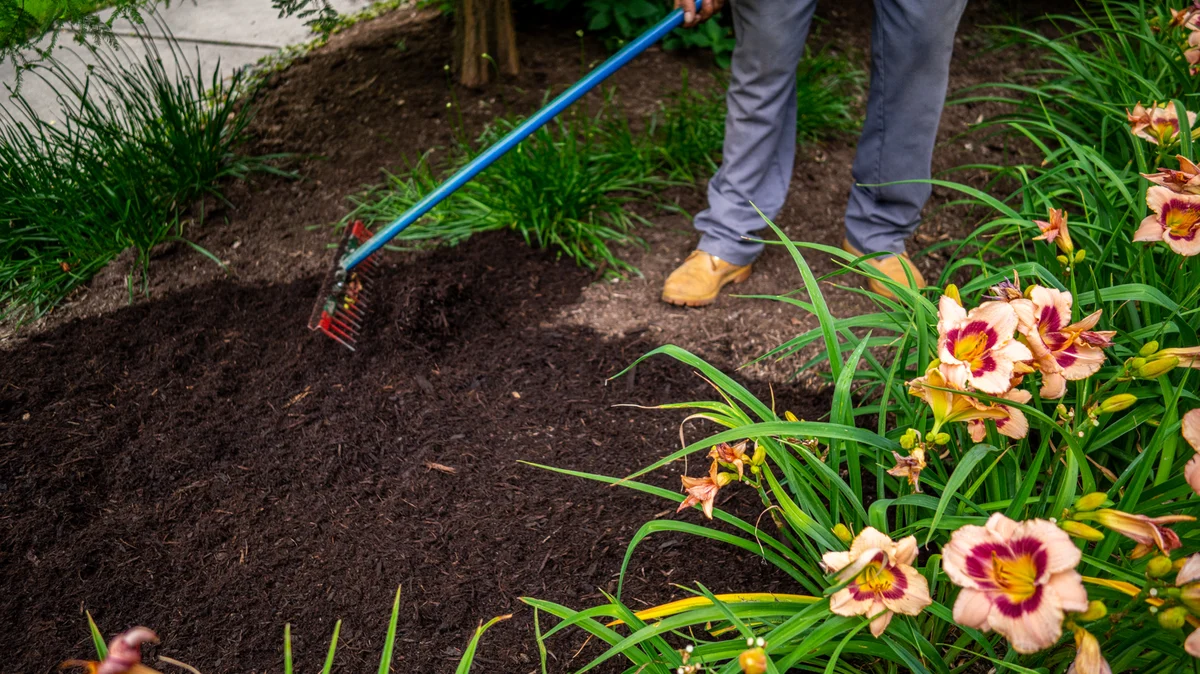
Mulch locks in moisture, reduces weeds, and protects roots. Use wood chips, pine straw, bark, or grass clippings.
Spread mulch 2 to 3 inches deep, but keep it a few inches away from plant stems to stop rot. Replace mulch once a year or when it looks worn out.
In flower beds, darker mulch looks neat and improves water flow. In tree areas, create a ring of mulch, not a mountain. Too much mulch near the trunk can cause damage.
Yard Cleanup Checklist That Works
Keep a simple list and stick to it. Good cleanup brings out the best in any yard.
Weekly tasks:
- Rake leaves
- Trim overgrown spots
- Pull weeds
- Pick up branches or litter
- Sweep paths and walkways
Monthly tasks:
- Clean gutters
- Check sprinkler heads
- Re-edge garden beds
- Remove dead plants
- Inspect compost bins
Clear paths and borders often. Sharp lines between grass and garden add instant polish.
Plant Health Care That Prevents Trouble
Sick plants don’t always show signs early. Regular checks help catch problems.
Look for:
- Yellow leaves
- Spots on leaves
- Curling or holes
- Wilting in damp soil
- Mold on the soil surface
If any of these signs show up, act fast. Remove affected parts, check drainage, and improve airflow around plants. Always feed plants based on their type and season.
Irrigation System Maintenance Made Easy
Sprinkler systems break down more often than people think. Check them each season.
Turn on the system and watch:
- Do all heads rise and spray?
- Are any leaks causing puddles?
- Do timers work on schedule?
Clear dirt or grass that blocks spray heads. Fix broken parts quickly to avoid water waste or dead grass.
In winter, drain pipes and turn off valves to prevent freezing.
Landscape Edging Ideas That Work Fast
Clean edges make beds and lawns look sharp. Use simple tools or edging strips to separate areas.
Options include:
- Brick or stone edges
- Metal or rubber edging
- Dug edges with a spade
Edging keeps mulch in place and stops grass from creeping into flower beds. A clear line gives a finished look with little effort.
Outdoor Space Improvement Through Basic Effort
You don’t need to redo the whole yard. Small changes add charm and use.
Try:
- Replacing dead spots with gravel or plants
- Adding solar lights along paths
- Planting in corners or bare spots
- Painting fences or sheds
- Hanging pots on walls or railings
Simple fixes make spaces more useful, more tidy, and more inviting.
Final Thoughts
Keeping up with the basics keeps your outdoor space fresh and strong. You don’t need fancy tools or costly products—just steady effort, the right timing, and clean habits.
Yard work might seem small, but over time, it builds a yard that lasts. Whether trimming shrubs, spreading mulch, or fixing a sprinkler head, each step counts.
FAQs
What are the essential tasks in basic landscape maintenance?
Basic tasks include mowing, pruning, weeding, watering, and cleanup. These steps help keep plants strong and yards tidy.
How often should I trim shrubs and trees in my yard?
Most shrubs need trimming once or twice a year. Trees usually need pruning once yearly, unless damaged or diseased.
Why is mulching important for a healthy landscape?
Mulch locks in moisture, prevents weeds, and shields plant roots from heat and cold. It’s an easy way to protect soil.
What tools do I need for regular yard maintenance?
You’ll need a mower, shears, rake, spade, and hose. These tools handle most yard jobs without much effort.
How can I keep weeds under control without using chemicals?
Use mulch, pull weeds after rain, or hoe weekly. Staying ahead stops weeds from spreading across your yard.
When is the best time to fertilize plants and grass?
Spring and fall are best. Apply early morning or late evening to avoid burning plants in the sun.
What is the easiest way to keep garden edges clean and defined?
Cut with a flat spade or install edging strips. Clean lines help your yard look neat and well-kept.
How does regular cleanup improve the look of a landscape?
It removes clutter, boosts plant health, and makes colors and shapes stand out. A clean yard always looks better.
Can basic maintenance help prevent plant diseases?
Yes. Trimming, cleanup, and good watering habits stop mold, pests, and weak growth before they spread.
How do I start a simple landscape maintenance routine?
Make a weekly plan and stick to it. Handle small tasks often so the yard never gets out of hand.