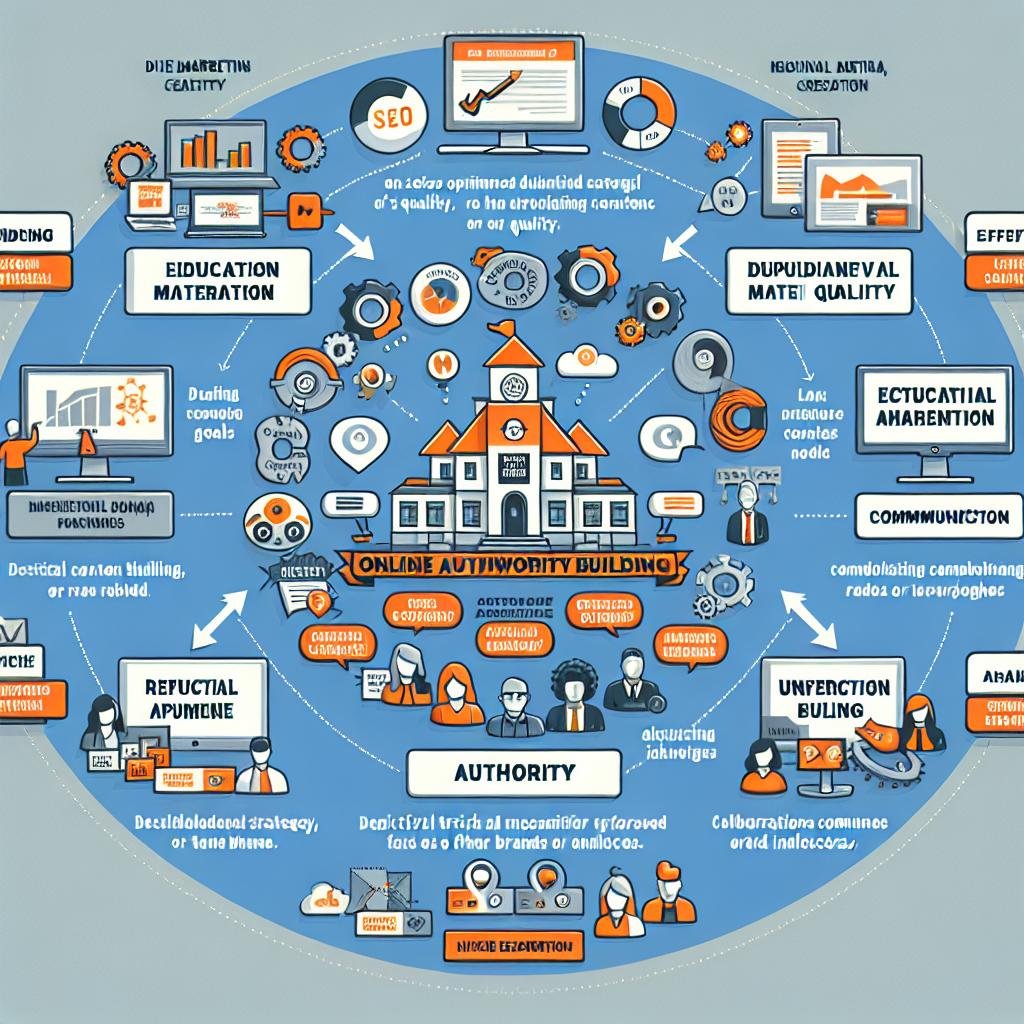
Building online authority is one of the biggest challenges for many companies today.
With increasing competition and information saturation, standing out has become a complex task.
However, building authority through content marketing is a powerful strategy that can transform a brand’s digital presence.
This article will explore how this approach can be effectively implemented, highlighting best practices and valuable tips.
What is Authority in Digital Marketing?
Authority in digital marketing refers to the perception users have about a brand or individual in a specific niche.
This perception is built over time by producing relevant and quality content that resonates with the target audience.
When a brand is seen as a trustworthy source of information, consumers are more likely to choose it over competitors.
The Importance of Quality Content
To establish authority, it is essential to produce high-quality content.
This means the material must be informative, well-written, and relevant to the audience.
Content must not only meet readers’ needs and interests but also be optimized for search engines.
The strategic use of the keyword “authority building through content marketing” is a clear example of ensuring content is found by those seeking related information.
How to Create an Effective Content Marketing Strategy
Set Clear Goals
Before starting to produce content, it’s vital to define the goals you want to achieve.
This may include increasing website traffic, generating leads, or improving conversion rates.
With clear goals, it’s easier to direct content efforts.
Know Your Target Audience
Understanding who your target audience is essential.
Conducting research and collecting data on your audience’s preferences and behaviors can help create content that truly resonates with them.
This not only increases engagement but also contributes to building authority.
Produce Diverse Content
One secret to effective content marketing is diversifying content formats.
This may include blogs, videos, infographics, and podcasts.
Each format has its own appeal and can reach different segments of your audience.
By diversifying, you increase the chances of engagement and, consequently, authority building.
Optimize for SEO
Search engine optimization (SEO) is an essential part of authority building.
Using strategic keywords, like “authority building through content marketing,” in appropriate places like titles and descriptions is fundamental.
In addition, creating quality backlinks helps enhance your content’s credibility.
Building Relationships Through Content
An often-overlooked aspect of content marketing is relationship building.
Engaging with your audience through comments, social media, and newsletters is essential to create a community around your brand.
When people feel part of a community, they’re more likely to trust and view your brand as an authority.
Collaborations and Partnerships
Working together with other brands or influencers can be an excellent way to build authority.
Strategic partnerships can expand your reach and credibility.
If a respected brand endorses your content, this can significantly boost the perception of authority.
Track and Measure Results
Finally, tracking and measuring the results of your content marketing strategies is crucial.
Analytics tools can provide valuable insights into content performance.
This includes metrics like traffic, conversion rates, and engagement.
By understanding what works and what doesn’t, you can adjust your strategy for better results.
Conclusion
Building authority through content marketing is a process that requires time and dedication, but the results are well worth it.
By focusing on producing quality content, understanding your audience, and optimizing for SEO, your brand can become a reference in your niche.
With the support of companies like Dholdings Media, which offer ethical and content-driven link-building strategies, it’s possible to achieve sustainable growth and visibility on reputable websites.
In the end, what matters is that your brand becomes a trustworthy source of information, earning consumer loyalty and standing out from the competition.