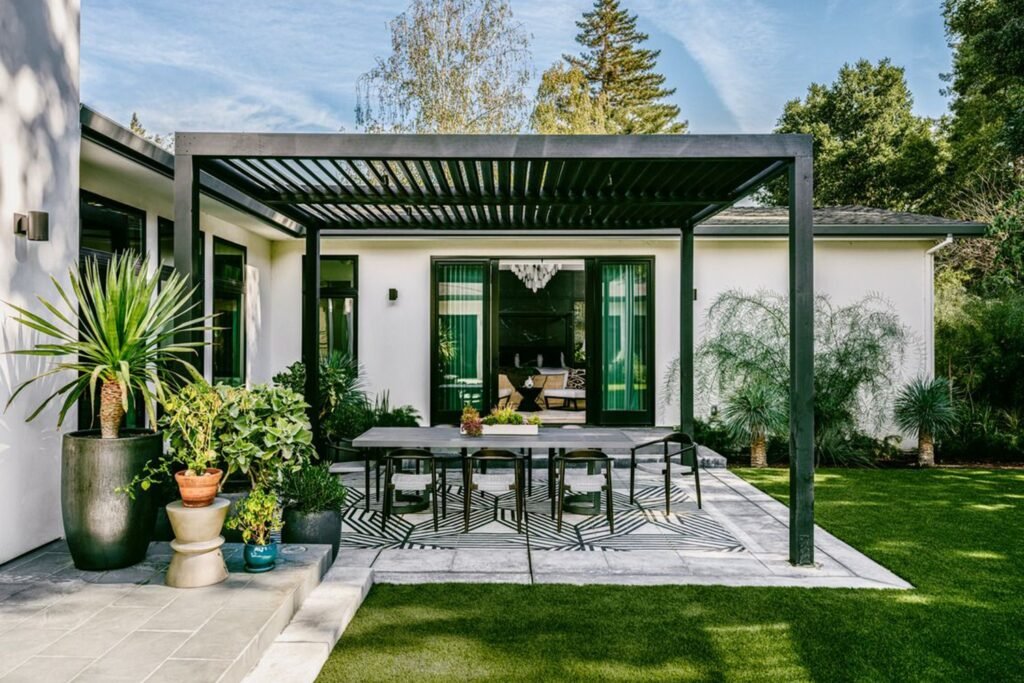
A town that employs both natural beauty and creative independence as it lies in the sprawling countryside of Gloucestershire. With a reputation of having an artistic community and environmental awareness, Stroud creates a unique backdrop upon which the architectural expression can be applied, where the needs are sustainability, craft and responsiveness to the environment.
Whether redesigning a historic barn, planning a new rural residence, or creating a mixed-use, which bridges the gap between work and community, appropriate architects in Stroud will comprehend individuality, functionality, and regional differences and choose them as the unique character of the Cotswounds.
Ag Straw, Contemporary Cogitation:
The architecture of Stroud tends to be dominated by its history; converted barns, old mills, stone built homes, but it is not trapped in the past, nor indeed does it want to. Most of the dwellers want to extend, convert or change it altogether to a liveable, energy efficient house with the ambiance that still fits into their rural environment.
In Stroud the architectural process needs to take into consideration:
- AONB (Area of Outstanding Natural Beauty), and further means: designs which reflect respect to the scale and material character of the surrounding landscape.
- Green solutions in construction like natural insulation, timber framing use, green roofs, passive solar design.
- Creative reuse where agricultural buildings that are already in use are converted to suit uses of a family home, a studio or live/work space.
Designing Extensions Which Are Compatible with the Landscape:
At the ABI Stoudsmoor show, most homeowners mean to stay, perhaps extending, rather than move home, to take up growing families or new ways of working. Effective architectural extensions in this area usually imply:
- Astute extensions of existing terraced or detached houses.
- Linked by glazed passages between old stone and new timber clad extensions.
- Designs focused on landscape and maximizing natural light, view, and access to gardens.
Protected Environment Planning:
Such a huge portion of Stroud falling in or around the conservation areas means that architects in such a case require a strong knowledge of the policies that govern the planning of rural and heritage areas. Green belt to conservation areas, the process of getting a planning permission may be very complicated.
A learned architect will find his way:
- Pre-application consulting with local councils, so that any constraints to planning can be found at an early stage.
- Design and Access Statements, which prominently demonstrate the ways in which a proposal may be integrated into the local setting.
- Heritage and conservation, especially within the villages and old town regions.
Heritage residential extensions and green belt refurbishment along with full re-modeling of bungalows need the two-fold value combination of ambitious design and clarity in regulation- both of which are vital in the area of Stroud.
A Sustainable Design Natural Home:
Stroud has been a long time supporter of environmental values, a tendency which is, of course, translated into its design. Many of the homeowners are making the following choices:
- Low impact building approaches, such as straw bale, lime plaster or hempcrete.
- Low energy systems e.g. solar PV, rainwater harvesting or MVHR ventilation.
- Natural or upcycled materials, or locally sourced materials, strengthening a sense of locale and minimizing the carbon footprint.
Here, the architects in Stroud are not merely designers, but they are partners in a sustainable life.
Community-Driven: Design-Led
Stroud is a collaborative place, whether it is the community co-housing initiatives, arts-based developments or others. In this case, architects tend to collaborate with craft people, engineers, planners, and clients themselves to design spaces based on effective needs and common values.
Justification of the use of Local Knowledge:
When you hire an architect who knows the area, i.e. Stroud area, he/she understands:
- The house of local vernacular construction material, Cotswold stone, slate roofs and lime mortar.
- The particulars of Stroud planning departments and conservation officers.
- The shifting needs of the inhabitants: they live in a family and then work in a hybrid office.
It also entails access to networks of local builders, surveyors and specific experts on whom you can rely on to run your project efficiently, at design, delivery, and all.
Conclusion:
Stroud architects are not just sketchers; they are an influence on people’s lives to create harmony with nature, the sense of place and creativity. Whatever your project, whether a traditional rural barn conversion, a sustainable new build or a new way of thinking about your home to fit the contemporary lifestyle a considered architectural approach can bring out the full potential of your property but with consideration, clarity and vision set within the local landscape.
