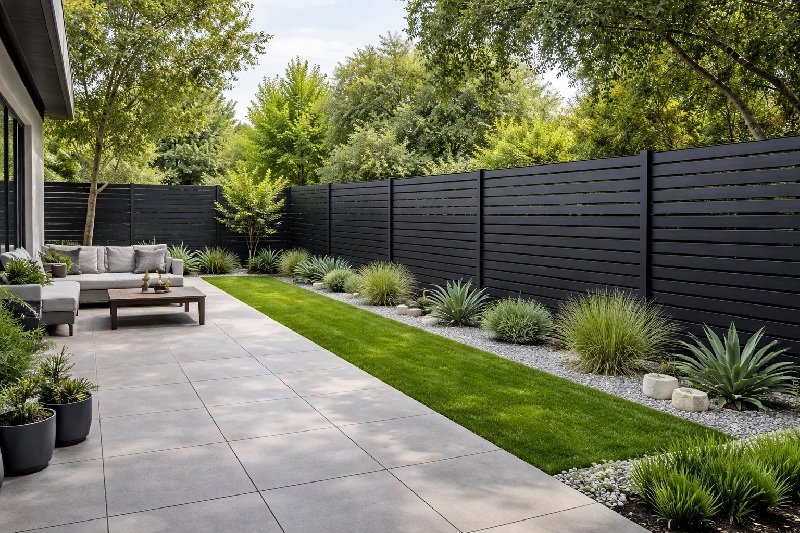
An aluminum privacy fence is often chosen for one clear reason. People want privacy. But privacy alone does not define whether a fence truly works. The way an aluminum privacy fence is designed, placed, and integrated into a property has a much bigger impact on how a space feels and how it is actually used.
For homeowners considering an aluminum privacy fence, understanding this broader role helps ensure the fence supports daily life rather than simply enclosing it.
Privacy Is About Comfort, Not Just Blocking Views
Many people assume privacy means blocking everything. In reality, privacy is about comfort and control.
An aluminum privacy fence creates separation from neighbors, streets, and surrounding activity, but the best designs do more than block sightlines. They create a sense of calm within the space.
This is why aluminum privacy fence panels are often designed to appear visually solid while still maintaining precise spacing and alignment. Instead of completely shutting out the surroundings, modern privacy fencing manages visibility in a way that feels intentional and balanced.
Why Aluminum Works So Well for Privacy
An aluminum privacy fence behaves differently from traditional fencing materials.
Aluminum does not warp, swell, or twist over time. Because of this, aluminum privacy fence panels remain straight and consistent, which is critical for maintaining privacy long term. Even small alignment changes can create visual gaps that reduce the feeling of enclosure.
Aluminum also allows for precise manufacturing. Panel spacing, height, and alignment can be controlled accurately, making it easier to design privacy that feels clean rather than heavy.
Privacy Varies Across the Property
Not every part of a property needs the same level of privacy.
Backyards usually benefit from a higher aluminum privacy fence where people spend longer periods relaxing or gathering. Side yards often only need visual screening at eye level. Front areas may benefit from partial enclosure rather than full privacy.
This is where semi privacy aluminum fence panels become especially useful. They allow light and airflow while still creating a clear boundary. Combining privacy and semi privacy panels within the same aluminum fence system helps maintain a cohesive look while adapting to how each area is used.
Gates Play a Bigger Role Than Most People Expect
Privacy is not only defined by panels. Gates matter just as much.
A fence may provide strong enclosure, but a poorly integrated gate can disrupt the entire experience. Gaps, misalignment, or inconsistent design draw attention to entry points and weaken the sense of privacy.
Well designed aluminum gates blend into aluminum privacy fence panels so that access points feel continuous rather than disruptive. When gates align visually and structurally with the fence, privacy feels uninterrupted.
Visual Order Reinforces Privacy
Privacy is not only physical. It is also visual and psychological.
Straight lines, consistent spacing, and clean transitions make a space feel protected even before someone consciously focuses on the fence. An aluminum privacy fence maintains this visual order because the material does not degrade or distort over time.
This long term consistency is one of the main reasons aluminum privacy fencing continues to feel effective years after installation.
Light and Air Still Matter
One concern people often have with an aluminum privacy fence is whether it will make the space feel closed in.
Modern aluminum privacy fence systems address this by balancing enclosure with airflow. Panels that are thoughtfully spaced allow air to move through the space while still blocking direct sightlines.
This balance is especially important in outdoor living areas that are used daily, where comfort matters just as much as privacy.
Long Term Privacy Depends on Stability
A fence that provides privacy only at the beginning eventually stops doing its job.
As posts lean or panels shift, gaps appear and sightlines change. Over time, the sense of separation weakens.
An aluminum privacy fence maintains stability because the material itself does not change shape. When the system is designed properly, it continues to provide the same level of privacy long after installation.
Aluminum Privacy Fence as a Design Element
Today, fences are no longer hidden in the background. They are visible parts of outdoor design.
An aluminum privacy fence often acts as a backdrop for landscaping, patios, and outdoor living spaces. Clean lines and consistent proportions allow it to complement modern homes without visual clutter.
When privacy fencing is treated as part of the overall design rather than an afterthought, outdoor spaces feel more intentional and cohesive.
The Best Privacy Fence Is the One You Stop Noticing
The most successful aluminum privacy fence is the one people stop thinking about.
It does not draw attention to itself.
It does not require constant correction.
It does not interfere with daily use of the space.
It simply provides comfort, separation, and consistency.
Final Thought
Choosing an aluminum privacy fence is not just about enclosing a yard. It is about shaping how a space feels, how it functions, and how comfortable it remains over time.
With well designed aluminum privacy fence panels, thoughtful use of semi privacy sections, and properly integrated aluminum gates, privacy becomes a natural part of everyday living rather than a barrier.
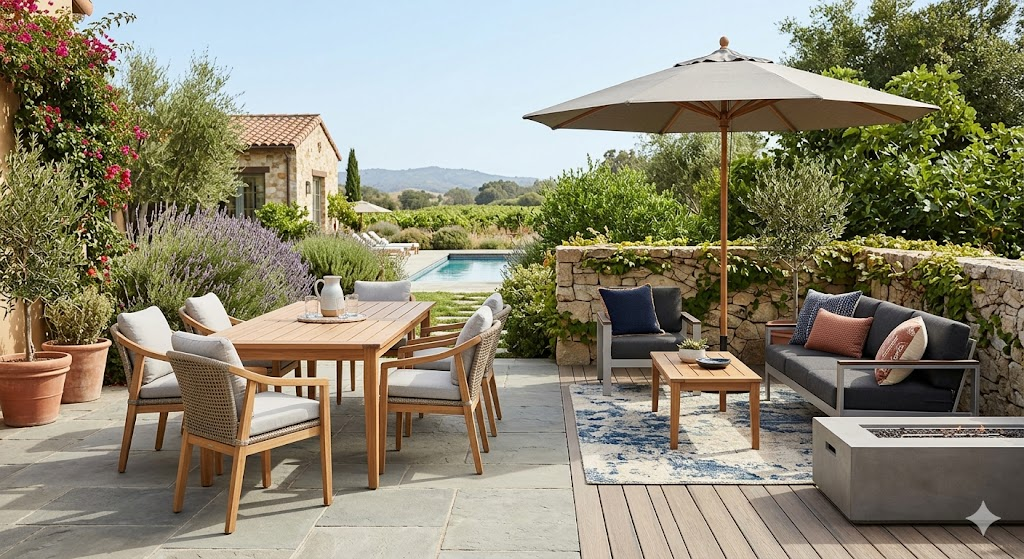
Truly, the mark of great design is when essential privacy becomes an invisible, effortless part of the landscape’s harmony.