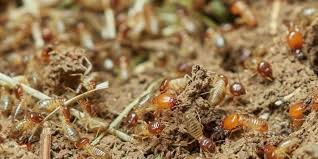
Termites are relentless pests that can silently cause severe damage to your lawn and home if left untreated. A professional termite control can help safeguard your property against these wood-damaging pests.
These tiny insects feed on wood and plant materials, often going unnoticed until significant damage is done.
Identifying the early signs of termite infestation and the available treatment options can save you from costly repairs and extensive damage.
Spotting the Signs of Termites in Your Lawn
Termites are masters of concealment, but specific indicators can reveal their presence before it’s too late.
- Mud Tubes: Subterranean termites build mud tubes that serve as protective passageways, allowing them to move safely between their colony and food sources. These tubes are often found on your home’s foundation or along the roots and base of plants in your lawn.
- Hollow or Damaged Wood: Wood that produces a hollow sound when tapped or exhibits damage like blistering, cracking, or peeling paint could signify termite infestation beneath the surface.
- Discarded Wings: After swarming and mating, termites shed their wings. Discovering small piles of these wings near window sills, doorways, or scattered across your lawn often indicates an active termite colony nearby.
- Soil Discoloration or Cracks: Termite tunnels can cause soil to appear cracked or discolored. Uneven patches in your lawn or soil that look disturbed could be a subtle clue.
- Presence of Termite Droppings: Drywood termites leave behind small, pellet-like droppings called frass. These can accumulate near infested wood or in your lawn.
Recognizing these signs early allows you to engage termite control methods before the infestation worsens.
Effective Termite Control Methods
Once termite activity is detected, choosing the right termite control strategy is vital. Several proven methods exist, often used in combination for best results.
Soil-Applied Barrier Treatments: This is the most common termite control technique. A liquid termiticide is applied to the soil surrounding your home’s foundation and lawn, forming a chemical barrier that blocks termites from accessing.
Termite Bait Stations: Baiting involves placing stations with slow-acting insecticides around your lawn and home perimeter and moving between their nests and your property.
Depending on the product used, these treatments can last five to over ten years and require professional application.
Termites devour the bait and carry it back to their colony, eliminating it over time.
Bait stations are environmentally friendly and provide long-term control, but require regular monitoring and maintenance to ensure effectiveness.
Wood Treatments: Direct application of termiticides to infested wood can kill existing termites and protect the wood from future attacks. These treatments include surface sprays or injected foams that penetrate cracks and crevices in wood structures.
Wood treatments are often used alongside soil or bait treatments for comprehensive control.
Physical Barriers: During new construction, physical barriers such as metal shields or sand barriers can be installed to prevent termite access.
While excellent for prevention, they are not practical for treating existing infestations.
Fumigation: For severe infestations inside structures, fumigation involves enclosing the building and exposing termites to toxic gas for severe infestations inside structures.
This method eradicates termites inside but does not prevent future infestations without additional barrier treatments.
Prevention Methods to Keep Termites Away
Preventing termites from infesting your lawn and home is the most cost-effective strategy. Here are key prevention tips:
- Control Moisture: Termites thrive in moist environments. Fix leaks, ensure proper drainage, clean gutters regularly, and avoid watering too close to your foundation. Use vapor barriers in crawl spaces and consider dehumidifiers to reduce humidity.
- Reduce Wood-to-Soil Contact: Remove wood debris, firewood, lumber, and cardboard from around your home’s foundation. Store firewood at least 20 feet away and elevated off the ground. Elevate decks, porches, and wooden siding at least six inches above the soil.
- Landscape Wisely: Avoid planting large trees or shrubs close to your home, as roots can crack foundations and provide termite pathways. Maintain at least 12 inches of space between plants and exterior walls to improve airflow and reduce dampness. Use termite-repellent plants like marigolds, lemongrass, and vetiver grass.
- Use Non-Wood Mulch: Replace wood mulch near your home with alternatives such as rubber mulch, pine straw, pea gravel, or river rock. If you use wood mulch, keep it away from siding and take care of it regularly to prevent moisture buildup.
- Keep Lawn and Garden Clean: Remove dead tree stumps, rotting wood, and excess mulch. Clear away wood scraps and debris that can attract termites.
- Elevate Garden Beds: Raised garden beds reduce termite access to plants and wood structures in your yard.
- Regular Inspections: Arrange for yearly termite inspections conducted by a licensed pest control specialist. Early detection through inspections can catch infestations before they spread.
Protect Your Lawn and Home with Early Termite Detection and Prevention
Termites can cause significant damage to your lawn and home. By learning to spot early signs such as mud tubes, damaged wood, and discarded wings, you can take action before the problem escalates.
Combining professional termite control methods with smart prevention strategies, like moisture control, landscaping adjustments, and regular inspections, provides the best defense against these pests.
Consulting a licensed termite control expert ensures you receive tailored, effective, and safe treatments. Don’t wait for visible damage to appear- spot the signs early, implement prevention methods, and protect your lawn and home from termites today.