Refreshing your writing is a useful skill, especially when you want to improve clarity, enhance originality, or repurpose existing content. Many people rewrite their text manually, but this process can take time and effort. Today, several advanced resources can help you create cleaner, sharper, and more original versions of your work without losing your unique voice. These resources range from editing tools and writing assistants to AI rewriting solutions and research helpers. Among them, modern paraphrasing tools have become especially popular for writers, marketers, educators, and students who want to refine ideas quickly. This article explores practical and advanced resources that can help you rewrite content in a fresh, readable, and powerful way.

1. The Importance of Refreshing and Reworking Your Writing
Rewriting your content is more than a simple exercise in replacing words with synonyms. It gives you a chance to improve structure, correct unclear ideas, and sharpen your message. Many writers revisit their drafts to check flow, tone, and accuracy. Through this process, they produce a polished version that is more reader-friendly and emotionally engaging.
You may also need fresh versions of your writing when preparing multiple pieces of content based on the same idea. For example, bloggers often convert long articles into newsletters, social posts, and short guides. Students may rewrite notes into study summaries. Professionals may transform reports into presentations. When you refresh your work carefully, you make your content more suitable for different formats and audiences.
Another reason rewriting matters is originality. Online publishing demands unique content. Search engines favor fresh, well-structured articles, while academic environments require original wording to avoid plagiarism. Reworking your writing helps you express your ideas clearly in your own voice. With the right tools and strategies, this process becomes faster, smoother, and far more effective.

2. Advanced Editing Platforms for Clarity and Flow
Editing platforms are among the most useful resources when you want to enhance the quality of your writing. They help you polish your text by spotting grammar gaps, awkward phrasing, run-on sentences, or unclear ideas. Unlike traditional spellcheckers, advanced editing tools offer detailed suggestions that improve readability and flow.
Many editing platforms highlight long sentences and provide simpler alternatives. They break complicated structures into clearer statements. This is especially useful when you want to deliver information in a friendly and approachable style. A strong editing tool also points out tone inconsistencies. It guides you when your writing becomes too formal, too casual, or too vague for a particular audience.
Another benefit of editing platforms is their ability to enhance pacing. They show you where your paragraphs feel slow, repetitive, or overloaded with unnecessary words. When you follow these suggestions, your writing becomes tighter and easier to understand. For professionals, this level of clarity increases the impact of reports, presentations, emails, and long-form content. For students, it helps transform rough drafts into stronger assignments. Advanced editing tools work as silent writing coaches, ready to polish your ideas whenever you need them.
3. AI-Powered Writing Assistants for Fast Redrafting
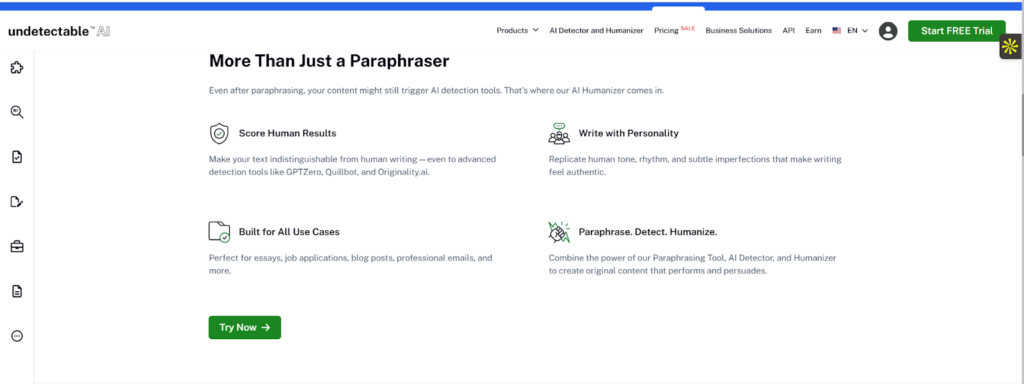
AI writing assistants have changed the way people approach rewriting. These tools can generate new versions of your text quickly while still respecting your meaning. They read your content, analyze your tone, and offer multiple rewrite options. You can choose the one that matches your goals—whether you want a more conversational voice, a more formal tone, or a simplified explanation.
One of the biggest advantages of AI writing assistants is their ability to restructure your content. They can reorganize ideas into a more logical flow, add transitions between paragraphs, or highlight missing details. When you refine your writing with these tools, you save time and gain clarity. Instead of starting from scratch, you build on strong suggestions.
AI assistants are especially helpful when you get stuck. Writer’s block often appears when it feels difficult to express a thought in a new way. With intelligent rewriting suggestions, you can overcome this problem quickly. You simply provide your original text, review the options, and adjust the new version to match your voice. This combination of automation and human control produces clean, fresh, and engaging content without compromising originality.
4. Research and Idea-Development Tools for Stronger Rewrites
Fresh writing depends on fresh thinking. Sometimes your text feels repetitive not because of the wording, but because your ideas need more depth. This is where research and idea-development tools become essential. They help you explore topics, discover new angles, and expand your understanding. When you approach your subject with updated insights, your rewrites become naturally stronger.
Research tools help you find factual information, statistics, studies, definitions, and expert opinions. They make your writing more authoritative and credible. You can blend these insights into your rewrites to strengthen your arguments or clarify complex points. For example, if you are explaining a technical topic, a research tool can help you find simpler explanations or different perspectives. This helps you rewrite complicated passages into reader-friendly content.
Idea-development tools also support creative thinking. They suggest themes, questions, and angles you may not have considered. When you explore these hints, you can restructure your writing with better flow and more depth. This makes your fresh version richer and more informative. Research and idea-development tools enhance the intellectual quality of your rewrites, helping you produce content that feels new even when it discusses familiar topics.

5. Organizational Tools for Planning Fresh Versions
Organizing your thoughts plays a major role in creating strong rewrites. Sometimes your writing needs more than new wording—it needs a better structure. Organizational tools help you arrange your ideas into a clearer sequence. They allow you to visualize your content, move sections around, and build logical connections.
One useful type of resource is the outlining tool. Outlines show you the skeleton of your writing. When your structure becomes easy to see, you can refine it with less effort. This approach is especially helpful when rewriting long articles, reports, or essays. You can break your content into sections, rearrange ideas, and fill gaps. This process produces a fresh version that feels more balanced and well-organized.
Mind-mapping tools also support creative rewrites. They help you organize ideas visually. You can map your main topic in the center and add related ideas around it. This structure shows you how different concepts connect. When you use this visual layout, you can identify areas that need expansion or simplification. Mind-mapping also helps you discover new angles for your rewrites, making your final version more dynamic and engaging.
These organizational tools reduce confusion and give you a clear direction. They support systematic rewriting by helping you focus on structure first and wording next. As a result, your final content becomes smoother, more coherent, and easier to read.
6. Style-Guidance Tools for Personalizing Your Rewrite
Many writers want their fresh versions to sound more personal and expressive. Style-guidance tools offer suggestions that help you maintain your voice while improving readability. These tools analyze tone, rhythm, and word choice to help you refine your style.
If your writing feels too stiff, a style tool can make it warmer and more conversational. If it feels too simple, it can help you strengthen your vocabulary. These adjustments create a polished version of your work without losing your characteristic tone. Style-guidance tools are especially helpful for bloggers, content creators, entrepreneurs, and professionals who want their writing to reflect their personality.
Another benefit of style tools is consistency. When you rewrite long pieces, it can be easy to shift tone unintentionally. A style-guidance tool points out these inconsistencies so you can correct them. It ensures that your voice stays stable from start to finish. This leads to writing that feels natural, unified, and enjoyable to read.
7. Final Tips for Producing Strong Fresh Versions of Your Writing
While advanced tools help you rewrite efficiently, a few practical habits will strengthen your results even more. First, always read your text out loud. This helps you notice awkward sentences and unclear ideas. When you hear your words, you can adjust them for a smoother flow.
Second, break long paragraphs into shorter ones. This makes your content easier to read and more visually appealing. Shorter blocks of text allow your ideas to stand out clearly. Third, use transitions to guide your readers. Words like “however,” “moreover,” “for example,” and “as a result” lead your audience from one idea to the next. They make your writing feel connected and purposeful.
Finally, take breaks between rewrites. When you return to your writing with fresh eyes, you can evaluate it more objectively. You notice errors, weak points, and opportunities for improvement. This simple habit leads to cleaner and more polished final versions.

Conclusion
Crafting fresh versions of your writing becomes easier when you use the right combination of creativity, clarity, and advanced technology. Today’s tools support every part of the rewriting process—from editing and redrafting to idea development and stylistic refinement. They help you produce clean, engaging, and original content while saving time and effort. As you explore these resources, you will discover new ways to strengthen your voice and enhance your communication skills. Whether you write for work, study, or personal growth, these advanced tools turn rewriting into a smooth and rewarding experience.