Introduction
Customers expect digital banking to be fast, secure, and easy to access. They no longer want to rely on physical bank branches and want to perform financial tasks quickly. Customers want to be able to easily access their accounts, transfer, track and get help with their money. Financial institutions are also expected to provide digital services to help customers from a smartphone, tablet or computer. They are no longer able to just provide basic online banking, and instead customers will look to financial institutions offering great digital services, easy to use and keep their sensitive information secure. Knowing what customers expect from digital banking can help banks provide good digital services.
1. Instant Payments
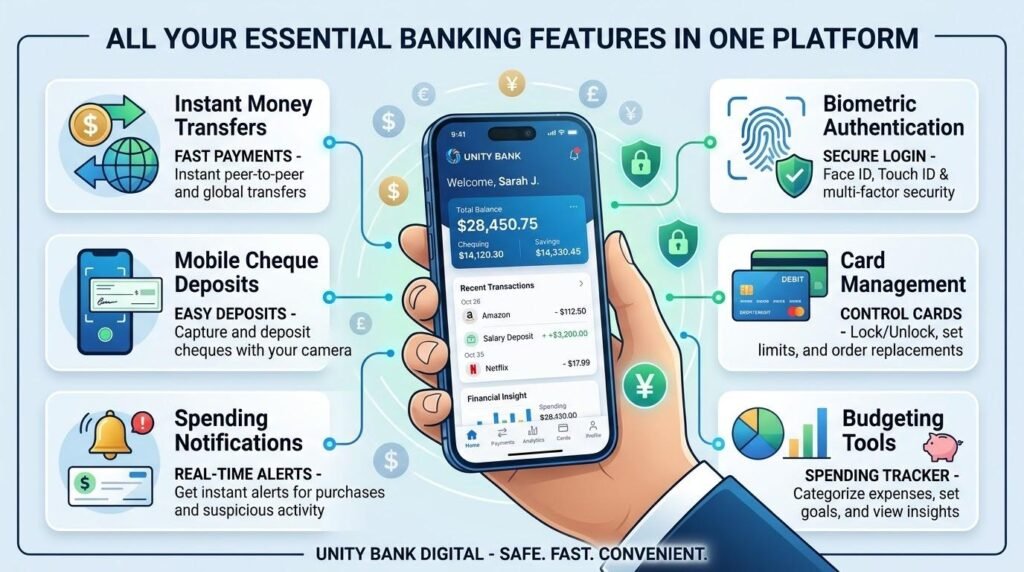
One of the most important features customers expect is instant payments. More and more people are looking to quickly transfer money, pay bills and make purchases. Using traditional methods can cause delays for customers. Using digital banking services with instant payments provides customers more flexibility and improves their overall experience. Customers can instantly confirm their transactions and get things done quicker. Financial institutions must provide secure options for customers whilst still providing instant payments. Banks will be able to stay up to date with today’s economy by providing customers with reliable instant payment services.
2. Deposit Cheques on Your Mobile
Many customers will want to deposit cheques using their mobile app. This is useful for customers who are busy or lack access to bank branches. Customers can deposit any eligible cheques from anywhere whether it be from home, work etc. This can save customers money with no need to travel. However, clear instructions must be provided to help customers use the mobile check deposit their cheques. The app must be able to accurately pick up the images and provide clear information on how long it will take to process and any deposit limits. Customers should also know how to sign their cheques correctly and not deposit the same cheque twice. Financial institutions can help customers get used to using this feature by providing helpful advice. As everything is easy to do, customers will find it easy to deposit cheques.
3. Biometric Login
Using biometric login will make it easier for customers to access their accounts. Customers can use their fingerprint or face recognition to confirm their identity. This means customers won’t have to constantly type in long passwords to access any supported banking apps. It will also provide added security. This is great for customers who struggle to remember multiple passwords. However, financial institutions must provide secure logins. They must keep customers’ biometric information safe and provide alternative ways to confirm their identity if they don’t have biometric enabled on their devices. Adding extra security measures like multi factor authentication helps keep customers’ accounts secure. Many customers expect banks to provide secure banking services.
4. Open Accounts Online
Customers will want to open their bank accounts online. This can make the process easier for customers as they can provide their personal information, upload ID and complete verification steps. This is great for customers who live far away from banking services or like to manage their money online. The process should be clear and provide information on what you’re eligible for, what documents are needed, what the costs are and what verification steps you’ll need to complete. Customers should also be kept up to date with their applications. Financial institutions must ensure they provide the right verification and comply with regulations to prevent fraudulent applications. Overall this will make banking easier as there is less paperwork and delays.
5. Contactless Payments
Customers will be able to make purchases using contactless payments. This means they can tap their debit card, smartphone or any supported devices onto the payment machine. This removes the need to insert your card and makes things easier for customers. This is great for places like supermarkets, restaurants and transport, many customers are now used to using contactless payments thanks to digital wallets and near field communication. However, financial institutions must provide secure payments. They must provide the correct verification, set spending limits if needed and monitor any suspicious activity. Customers should know what devices are supported. By providing reliable contactless payments, banks can help customers with their changing shopping habits and make payments quicker and easier.
6. Real Time Notifications
Real time notifications can help customers stay up to date with what is happening with their accounts. They can notify customers when they’ve deposited money, withdrawn money, made card purchases, made transfers, had failed transactions and when their balance has changed. This means customers can quickly see any unknown transactions. They can also help customers keep track of their spending. If a customer receives a notification saying they’ve made a purchase they didn’t, they can contact their financial institution straight away. However, customers should be able to personalize their notifications. This means they can choose what they want to be notified about. Reliable notifications can be sent via mobile apps, email or text. This makes it easier for customers to keep track of their account and provides them with confidence their bank is keeping them safe.
7. Freeze Cards
Customers will have more control over their cards by being able to freeze them. This can be done via their mobile banking app or online. This is useful if they’ve lost their card, it’s been stolen or they think it’s been compromised. They can freeze their card whilst looking for it or whilst looking into any suspicious activity. If they find their card and it’s safe they may be able to unfreeze it via the app, depending on the bank’s policies. Financial institutions should make it easy to find this feature. They should also provide information on what transactions will be blocked whilst their card is frozen. They should also provide clear instructions on what to do if their card is permanently lost or stolen. This will provide customers with more peace of mind and reduce the impact of someone using their card without permission.
8. Auto Savings
Auto savings can help customers get into a habit of saving. Customers can set how much they want to save and when they want to save it. This could be set to save a certain amount after they receive their salary or set their banking apps to save a small amount when they make qualifying purchases. This removes the hassle of saving and helps customers reach their goals e.g. emergency fund, education or future purchases. Some platforms will also show how close they are to reaching their goal. Financial institutions should allow customers to personalize how much they want to save, when they want to save and what conditions they want to save under. They should also provide clear information on any fees, withdrawal limits and balances. By making saving easier, banks can encourage customers to get into healthier financial habits.
9. Personalized Dashboard
A personalized dashboard can make it easier for customers to keep track of their money. Customers can easily see their account balance, recent transactions, how much they’ve saved, how they’re spending their money and what they have coming up. Some platforms will also categorize customers’ expenses so they can see where their money is going each month. This can help customers budget their money better. A useful dashboard should be easy to read and not full of unnecessary graphs, adverts and complex features. Customers should also be able to personalize the dashboard. However, it must be personalized whilst keeping customers’ privacy in mind. Having a personalized dashboard will make banking apps more useful by providing customers with relevant financial information. It will also encourage customers to manage their money regularly.
10. Secure Online Support
Customers will expect to be able to get support online. This can be done via messaging within the app, secure chatting, email and supported video services. Customers expect to be able to get help with their banking issues without having to go into a branch. Customers can message their bank to ask questions, report any issues with their account, get help and receive information. Financial institutions can use chatbots to help with basic queries. However, if customers have more complex queries they should be directed to a qualified customer service representative. Security is very important as customers may be sharing confidential financial information. Banks must provide the right verification, encrypted messaging and clear processes for any sensitive requests. By providing easy to access online support and knowledgeable support, financial institutions can provide a more reliable and reassuring experience.
11. Pay Bills Online
Customers will be able to pay bills online. This can be done via their banking app or online. Customers can pay their electricity bill, subscription fees, internet and other supported bills. They can also set up recurring payments to make paying even easier. This reduces the chance of missing any important payment deadlines and may help avoid any unnecessary late fees. Financial institutions should provide clear confirmation messages, reference numbers and payment history. They should also make it easy for customers to view, amend or cancel any recurring payments. By providing reliable bill payment services, banks can make every day financial tasks easier. Customers will see digital banking as a key part of managing their personal and household expenses.
12. Manage Cards
Many modern banking apps will provide customers with the ability to manage their cards. Depending on the financial institution, customers can request new cards, activate new cards, change supported spending limits and manage online/international payments. Some banks will also provide virtual cards which can be used for eligible online purchases. This provides customers with more flexibility, if customers often shop online or have multiple payment methods this can be useful. Financial institutions should provide clear information on any restrictions, fees and security requirements. Secure verification should also be provided. By giving customers control over important aspects of their cards, banks can make everyday card usage easier.
13. Accessible Across Multiple Devices
Customers expect modern digital banking services to be accessible on their smartphones, tablets, laptops and desktops. Customers may start a transaction on one device and then want to view the details on another. A well-developed digital platform should provide the same information on all devices. This includes account information, transaction history and essential banking features. Apps should also be accessible to all customers. This includes easy reading text, easy navigation and compatibility with assistive technologies. Financial institutions should regularly update their platforms to avoid any technical issues, improve performance and keep up with supported operating systems. Secure sessions should also be provided along with the right verification for devices. By providing an accessible experience across multiple devices, digital banking can be more reliable.
14. Budgeting Tools
More and more digital banking platforms will provide budgeting tools. This can help customers understand their financial habits and make better spending decisions. This can include categorizing transactions, comparing monthly spending, identifying recurring subscriptions and seeing how their spending has changed. Some apps will also allow customers to set spending limits for certain categories. They will also receive notifications when they’re approaching their limit. This can be useful for customers wanting to avoid unnecessary spending, manage their household budget or save for specific goals. However, the information provided must be accurate and customers should know how their transactions are categorized, if they make purchases that don’t fit into the usual categories. Financial institutions shouldn’t make it seem like automated insights are guaranteed financial advice. If designed correctly, budgeting tools will turn transaction history into useful information. This will help customers gain more awareness and control over their money.
15. Security and Privacy
Security and privacy are essential for customers using digital banking services. Customers want to feel confident that their personal information, account details and transactions are kept safe from cyber criminals. Financial institutions should provide strong encryption, multi factor authentication, fraud detection, secure sessions and regular updates. They should also provide clear information on their privacy policies. Customers should also have control over their account permissions. Security shouldn’t rely on customers knowing what threats they’re facing. Banks should actively monitor any suspicious activity and provide timely support if their accounts are at risk. Clear processes should also be provided for reporting fraud, retrieving compromised accounts and solving any security issues. Financial institutions who prioritize privacy will build stronger trust with customers.
Why These Features Are Important For Customer Satisfaction
There is an increasing demand for digital banking features. Customers expect to save time, avoid unnecessary processes, receive useful information and keep their money safe. Features such as instant payments, biometric login, auto savings and secure online support can help make banking easier. However, financial institutions must ensure their platforms are reliable, easy to use, accessible and work across supported devices. They must also consider customers with varying levels of digital knowledge and provide support if they have any technical issues. Banks who regularly review customer feedback and improve their digital services will be in a better position to stay competitive and build stronger relationships.
Conclusion
Digital banking has become an important aspect for customers choosing, accessing and reviewing financial institutions. The 15 features shown demonstrate that modern customers expect more from their banking services. They expect payments to be easy, account management to be easy, receive personal insights, have accessible support and have secure services across their devices. Financial institutions must invest in technology that can help customers with their practical needs. They must also ensure they have strong privacy and security. It is also important that they can improve their digital platforms. Banks who provide intuitive, reliable and accessible digital services can improve customer satisfaction. They will build trust and create stronger relationships. Overall, a successful digital banking service will ensure all features provided will make managing their money safer, easier and efficient.
Get more well researched information about Digital banking features here.