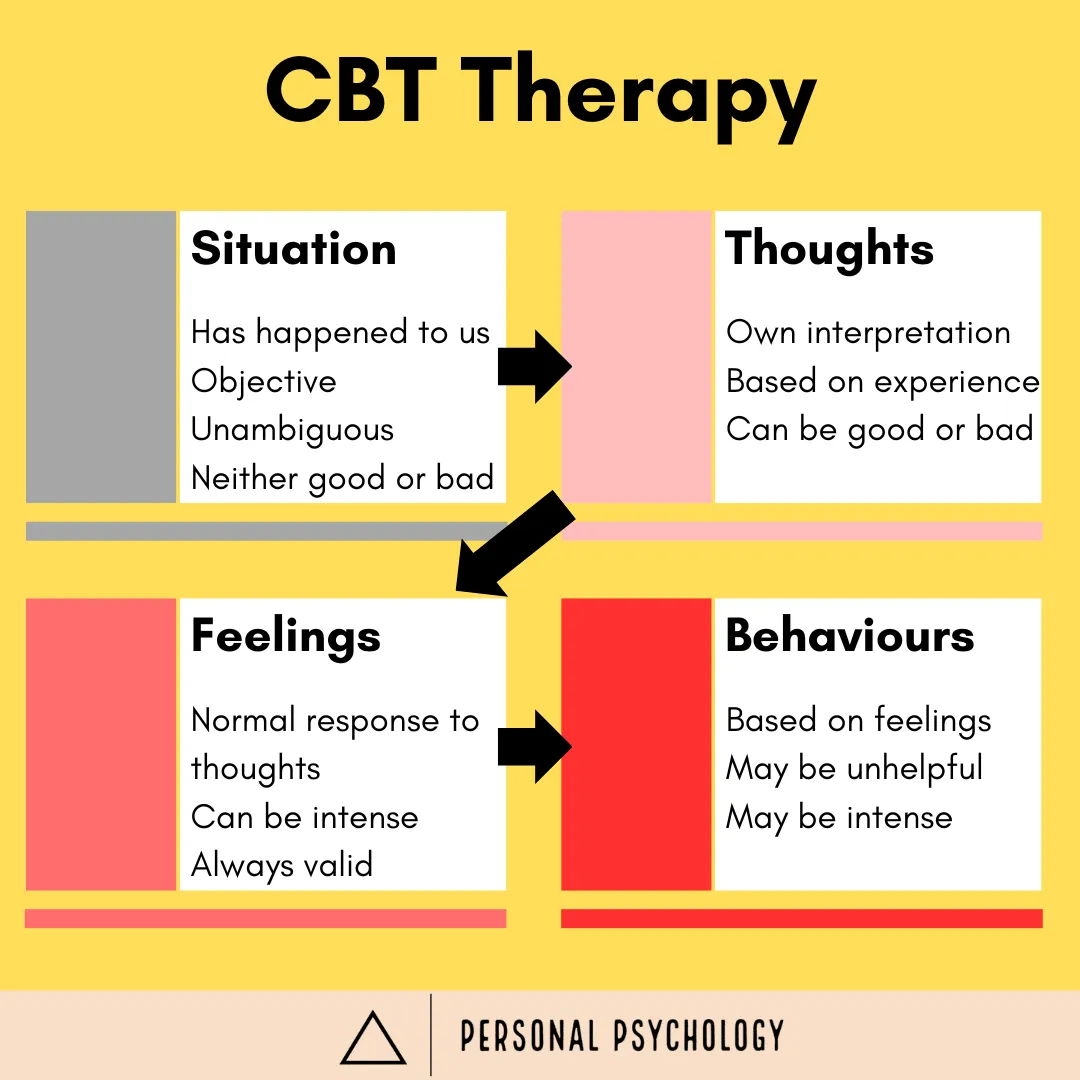
At The Balmain Practice, our psychologists provide CBT therapy in Sydney to children, adolescents, and adults working through anxiety, depression, stress, and other everyday difficulties. Cognitive Behaviour Therapy (CBT) is one of the most widely researched forms of psychotherapy, and it’s used by psychologists across Sydney and Australia to help people understand the connection between their thoughts, feelings, and behaviours.
Starting therapy can feel like a big step, particularly if you’ve never seen a psychologist before. You might not know what to expect, whether it will actually help, or how to find the right fit for your needs. This guide explains what CBT is, how it works, who it suits, and what you can expect from a session, so you can make an informed decision about whether it’s the right approach for you or your family.
What Is Cognitive Behaviour Therapy?
Cognitive Behaviour Therapy is a structured form of psychotherapy that looks at how thoughts, feelings, and behaviours influence one another. The basic premise is straightforward: the way we think about a situation affects how we feel about it, and how we feel affects how we act. CBT works by helping people identify unhelpful thinking patterns and understand how those patterns show up in daily life.
A psychologist trained in CBT will typically work with a client to:
- Identify patterns of thinking that may be unhelpful or distorted
- Understand how these thoughts influence emotional responses and behaviour
- Build practical skills to respond to difficult situations as they arise
Unlike some forms of therapy that focus heavily on exploring the past, CBT tends to be more present-focused and goal-oriented. That said, it’s not a rigid, one-size-fits-all program. The specific strategies used depend on the person’s individual concerns, their goals, and what they’re hoping to get out of treatment.
How CBT Creates Change
CBT takes a structured approach to problem-solving. Rather than treating a difficulty as one large, overwhelming issue, it breaks the problem down into smaller, more manageable parts. This makes it easier to pinpoint specific triggers, test out new ways of thinking, and build coping strategies that actually hold up in real situations.
CBT is commonly used to address:
- Anxiety disorders, including generalised anxiety and panic disorder
- Mood disorders, such as depression
- Anger, stress, and problem gambling
- Relationship and family difficulties, including emotional challenges in children and teenagers
CBT may also be suitable for other concerns not listed here. A psychologist will usually take time during initial sessions to understand what’s going on before recommending CBT or another therapeutic approach. Therapy isn’t a one-size-fits-all process, and the right fit matters more than following a fixed formula.
Who Can Benefit From CBT Therapy in Sydney?
CBT is used across all age groups, though the way it’s delivered will vary depending on the person’s life stage and circumstances. A child struggling with school-related anxiety needs a different approach to a young adult dealing with workplace stress, or an older adult working through grief. At The Balmain Practice, our psychologists tailor CBT therapy in Sydney to the individual rather than applying a generic template.
CBT for Children
Children don’t always have the words to explain what they’re feeling. Instead, distress often shows up as changes in behaviour, withdrawal, or emotional outbursts. CBT gives children age-appropriate tools to recognise and name their emotions, and to develop healthier ways of coping with difficult situations.
Through CBT, children can work on:
- Recognising and managing their thoughts and emotions
- Building confidence and self-esteem
- Learning practical coping strategies
- Navigating challenges at home and at school
- Developing problem-solving skills
- Gradually facing situations they’ve been avoiding
CBT for Adolescents
The teenage years bring a particular set of pressures, including identity development, peer relationships, and more intense emotional experiences. CBT can give adolescents practical tools to manage these feelings and respond to stress in healthier ways.
CBT can help adolescents:
- Manage overwhelming emotions and mood swings
- Build resilience against peer pressure
- Improve communication with family and friends
- Develop healthier thinking patterns
- Manage academic and school-related stress
- Work through social anxiety
- Build confidence in handling growing independence and responsibility
CBT for Adults
Adult life often involves juggling work, relationships, and other responsibilities, and this can contribute to ongoing stress, anxiety, or low mood. CBT helps adults understand their own thought patterns and develop practical strategies for managing difficult situations, rather than avoiding them.
CBT can support adults to:
- Manage workplace stress and burnout
- Work through relationship difficulties
- Process grief and loss
- Address anxiety and depression
- Build emotional resilience
- Navigate life transitions
- Break down complex problems into manageable steps
- Reduce avoidance of situations causing distress
- Set realistic goals and work towards them
What to Expect From a CBT Session
A Collaborative Approach
CBT isn’t something that’s done to you. It’s a collaborative process where you and your psychologist work together to understand the thoughts and behaviours that may be holding you back. At The Balmain Practice, our psychologists take the time to understand your situation before recommending a way forward, rather than applying a standard script to every client.
Structured and Goal-Oriented
Sessions are typically structured around clear, achievable goals. Rather than open-ended conversation, each session tends to build on the last, with practical strategies you can apply between appointments. This structure is part of what makes CBT different from some other therapeutic approaches, and it’s one of the reasons it’s well suited to people who want a clear sense of progress.
Grounded in Evidence
Our psychologists adhere to the ethical standards of the Australian Psychological Society and stay current with research and best practice in CBT. This matters because psychology, like any clinical field, continues to evolve, and techniques that were considered best practice a decade ago may have since been refined or replaced.
Is CBT Therapy in Sydney Right for You?
There’s no single answer to this, because it depends on what you’re dealing with and what kind of support you’re looking for. CBT tends to suit people who want practical, structured strategies rather than purely open-ended exploration. It can be a good option if you’re dealing with anxiety, low mood, stress, or specific behavioural patterns you want to change.
If you’re unsure whether CBT is the right fit, that’s a reasonable thing to raise with a psychologist directly. Part of an initial consultation is figuring out whether a particular therapeutic approach matches your needs, and adjusting the plan if it doesn’t.
Getting Started
If you’re considering CBT Therapy in Sydney for yourself, your teenager, or your child, the team at The Balmain Practice can guide you through the process, from your first enquiry through to ongoing sessions. We offer face-to-face appointments at our practice in Balmain, as well as telehealth sessions for those who prefer to meet online.
Understanding what CBT involves is a useful first step, but working with a psychologist who takes the time to understand your specific circumstances is what makes the difference. Contact us today to book your first appointment and take the next step towards managing the challenges you’re facing.
Frequently Asked Questions
How long does CBT therapy usually take?
The length of CBT treatment varies depending on the person and the issue being addressed. Some people notice improvement within a number of sessions, while others benefit from longer-term support. Your psychologist will discuss a realistic timeframe with you based on your specific goals.
Is CBT suitable for children as well as adults?
Yes. CBT is used across all age groups, with techniques adjusted to suit the person’s developmental stage. For children, this often means using age-appropriate language and activities rather than the more conversation-based approach used with adults.
What issues can CBT help with?
CBT is commonly used for anxiety, depression, stress, anger, relationship difficulties, and problem gambling, among other concerns. It may also be suitable for other issues, which is something a psychologist can assess during an initial consultation.
Do I need a referral to see a psychologist for CBT?
This depends on your circumstances, including whether you’re seeking a Medicare rebate. It’s best to contact the practice directly to discuss your options and what’s required to get started.
What’s the difference between CBT and other types of therapy?
CBT is more structured and goal-oriented than some other therapeutic approaches, focusing on the relationship between thoughts, feelings, and behaviours in the present. Other forms of therapy may focus more on exploring past experiences. The right approach depends on your individual needs, which your psychologist can help determine.