Your home’s ductwork plays an important role in distributing heated and cooled air throughout every room. However, because most ducts are hidden behind walls, ceilings, and floors, problems can go unnoticed for years.
Regular inspections can help identify dust buildup, leaks, damaged connections, airflow restrictions, and other issues before they affect your comfort or HVAC performance.
If you’re unsure about the condition of your ductwork, an Air Duct Inspection service in Boston can provide a professional assessment and help determine whether cleaning, repairs, or additional maintenance are necessary.
What Is an Air Duct Inspection?
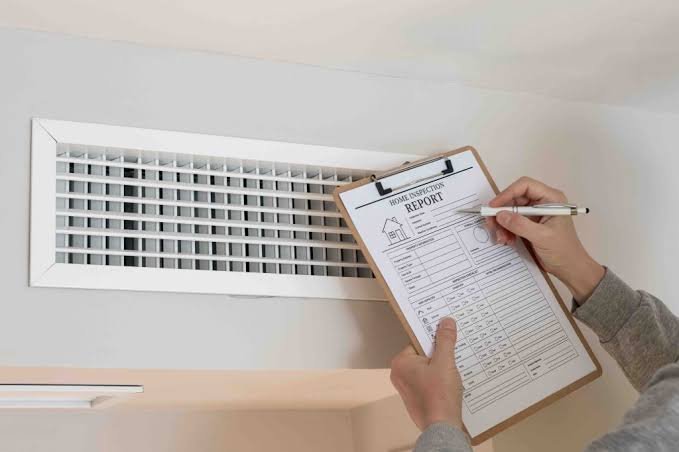
An air duct inspection is a detailed evaluation of your HVAC ductwork. A professional technician checks accessible sections of the system for signs of contamination, damage, moisture, leaks, and airflow problems.
Depending on the system and property, an inspection may include:
- Supply and return ducts
- Registers and air vents
- Duct connections
- Accessible insulation
- HVAC filters
- Signs of dust and debris
- Moisture or mold concerns
- Airflow restrictions
- Visible damage or disconnected sections
The goal is to understand the condition of the duct system and identify problems that may affect indoor comfort and air quality.
Air Duct Inspection Checklist for Homeowners
You can use the following checklist to identify potential problems before calling a professional.
1. Check for Excessive Dust Around Vents
Remove a few vent covers and look for unusual amounts of dust or debris.
A small amount of dust is normal, but heavy buildup may indicate that contaminants have accumulated inside the ductwork.
Also check the area immediately surrounding the vents. Dark streaks or excessive dust can sometimes indicate air leakage or poor filtration.
2. Inspect Your Air Filters
Your HVAC filter is one of the first lines of defense against airborne particles.
Check the filter regularly for:
- Heavy dust buildup
- Pet hair
- Dirt
- Discoloration
- Visible damage
A clogged filter can restrict airflow and force your HVAC system to work harder.
If your filter becomes dirty unusually quickly, it may be worth having the entire system inspected.
3. Listen for Unusual HVAC Noises
Pay attention when your heating or cooling system starts.
Unusual sounds such as rattling, banging, whistling, or excessive airflow noise may indicate a problem somewhere in the HVAC or duct system.
Not every unusual noise means your ducts need cleaning, but persistent sounds should not be ignored.
4. Check for Weak Airflow
Place your hand over several supply vents while the HVAC system is operating.
Compare airflow between rooms.
If one vent produces significantly less air than another, possible causes include:
- Blocked ductwork
- Damaged ducts
- Closed dampers
- Leaks
- Dirty filters
- HVAC equipment problems
A professional inspection can help determine where the restriction is occurring.
5. Look for Visible Duct Damage
If you have exposed ductwork in your basement, attic, garage, or utility area, inspect it carefully.
Look for:
- Cracks
- Gaps
- Loose connections
- Detached sections
- Damaged insulation
- Collapsed flexible ducts
Damaged ductwork can allow conditioned air to escape before it reaches the intended room.
6. Check for Moisture or Water Damage
Moisture is an important warning sign.
Look around accessible ductwork for:
- Water stains
- Condensation
- Damp insulation
- Rust
- Musty odors
Moisture problems should be addressed promptly because prolonged damp conditions can contribute to mold growth and deterioration of duct materials.
7. Watch for Musty or Unusual Odors
Turn on your HVAC system and pay attention to the smell coming from your vents.
Persistent musty odors may indicate moisture or microbial growth somewhere within the system. Other unusual smells could come from accumulated debris, pests, or other HVAC problems.
Odors alone don’t prove that your ducts need cleaning, but they are a good reason to investigate further.
8. Check for Pest Activity
Rodents and insects can sometimes enter accessible portions of duct systems.
Look for:
- Droppings
- Nesting material
- Unusual scratching sounds
- Unexplained odors
- Insects around vents
If you find evidence of pests, address the infestation first and then have the affected ductwork professionally evaluated.
9. Consider Your Home’s Age and History
Older Boston homes may have ductwork that has been in place for many years.
If you’ve recently purchased an older property and don’t know when the ductwork was last inspected or cleaned, an inspection can establish a useful baseline.
It’s especially worthwhile if the property has undergone multiple renovations or HVAC replacements.
10. Consider Recent Renovations
Home remodeling creates large amounts of airborne dust.
Drywall particles, sawdust, insulation fibers, and construction debris can enter HVAC systems during renovation work.
If you’ve recently renovated your home, inspect the ductwork afterward and consider professional evaluation if significant dust entered the system.
When Should Homeowners Schedule an Air Duct Inspection?
There isn’t one universal inspection schedule that applies to every property.
You should consider an inspection when you notice:
- Persistent dust buildup
- Weak or uneven airflow
- Unusual odors
- Visible duct damage
- Moisture around ductwork
- Recent home renovations
- Pest activity
- Unexpected increases in HVAC operating costs
- Poor indoor comfort
- Unknown ductwork maintenance history
An Air Duct Inspection Boston service can be particularly useful when you notice several of these signs at the same time.
Air Duct Inspection vs. Air Duct Cleaning
Inspection and cleaning are not the same service.
An inspection evaluates the condition of your ductwork and looks for potential problems.
Cleaning removes accumulated dust, dirt, and other debris from the duct system when cleaning is appropriate.
A professional inspection can help determine whether cleaning is actually necessary. This is important because not every HVAC system requires frequent duct cleaning.
Why Boston Homeowners Should Pay Attention to Ductwork
Boston homes experience significant seasonal temperature changes. Heating systems can operate heavily during cold winters, while air conditioning becomes important during warmer months.
Because HVAC systems may operate for long periods throughout the year, maintaining good airflow is important for comfort and system performance.
Older homes can also have a variety of duct configurations, insulation conditions, and previous modifications that make professional evaluation useful.
What Happens During a Professional Inspection?
The exact process depends on the property and HVAC system, but a professional technician may:
- Review your concerns and HVAC history.
- Examine accessible ductwork.
- Inspect supply and return vents.
- Check filters and airflow.
- Look for visible contamination.
- Inspect for leaks or damaged connections.
- Look for moisture-related concerns.
- Identify areas that may require cleaning or repair.
- Explain the findings and recommended next steps.
The inspection should provide you with a clearer understanding of your duct system rather than simply recommending unnecessary services.
How Homeowners Can Maintain Their Ductwork
Between professional inspections, homeowners can take several simple steps to support their HVAC system.
Replace HVAC Filters Regularly
Use the filter recommended for your particular HVAC system and replace it according to the manufacturer’s guidance.
Keep Vents Unblocked
Furniture, curtains, rugs, and other objects should not unnecessarily obstruct supply or return vents.
Keep Accessible Areas Clean
Vacuum dust around registers and keep accessible ductwork areas free from excessive debris.
Address Moisture Problems Quickly
Leaks, condensation, and water damage should be investigated promptly.
Schedule Professional Evaluation When Problems Appear
Don’t wait for a minor airflow or odor problem to become a major HVAC issue.
Frequently Asked Questions
How often should air ducts be inspected?
The appropriate frequency depends on the age and condition of your HVAC system, household conditions, renovations, and other factors. An inspection may be worthwhile when you notice changes in airflow, odors, dust, or comfort.
Is an air duct inspection necessary if my HVAC system is working?
Yes, an HVAC system can continue operating even when ductwork has leaks, contamination, or airflow restrictions. An inspection can identify problems that aren’t immediately obvious.
Can I inspect my air ducts myself?
Homeowners can check accessible vents, filters, and exposed ductwork. However, professional technicians can evaluate areas that aren’t easily accessible and identify problems that may be difficult to spot without specialized equipment.
Does an inspection always mean the ducts need cleaning?
No. An inspection should determine the condition of your ductwork. Cleaning is recommended when there is a legitimate need based on contamination or other relevant conditions.
What are the most common ductwork problems?
Common issues include leaks, loose connections, damaged insulation, restricted airflow, excessive dust, moisture, and disconnected duct sections.
Final Thoughts
Your ductwork is an important part of your home’s HVAC system, even though much of it remains hidden from view. Regular attention can help you identify airflow problems, excessive dust, moisture, damaged connections, and other issues before they become more disruptive.
If you’re experiencing unusual odors, uneven temperatures, weak airflow, or excessive dust or simply don’t know the condition of your ductwork an Air Duct Inspection Boston can help you understand what’s happening inside your HVAC system.
A professional evaluation provides the information you need to determine whether your home would benefit from cleaning, repairs, or routine maintenance.