
Technology has revolutionized business, social interaction, and the way that problems are solved in society. Information technology is essential in today’s world from cloud computing and artificial intelligence to smartphones and digital services. But this surge in technological development has also brought about environmental issues like energy use, e-waste and carbon emissions from digital infrastructure. All of the devices manufactured, all of the servers that are up and running in data centers and all of the software that is developed adds to the environmental footprint of the technology industry. This rising awareness has sparked a newfound sense of responsibility amongst organisations, IT professionals and people to use and manage technology responsibly.
Green computing, also referred to as sustainable computing, is a process of creating, utilizing and disposing of technology in a way that minimizes environmental impact and ensures efficiency and performance. These include optimizing energy use, waste reduction, and the increasing durability of products, as well as new technology that provides products that use less resources. It’s not about halting technological progress, but about making it more environmentally friendly. Efficient technology practices can help businesses save on operational costs, and making smarter decisions about digital devices and online activities can help individuals minimize their impact on sustainability.
Concept of Green Computing
Green computing is the term used to describe the reduction of the environmental impact of computing devices during all phases of their life cycle, from manufacture to use, to disposal to recycling. The concept of green computing is about using technology in a more sustainable manner by making systems more energy efficient, wasting less resources and minimize the carbon footprint of digital operations, according to IBM. Both ecological and monetary advantages can be gained from sustainable IT strategies, which is why these practices are becoming more common among organizations.
Energy efficient hardware, sustainable software development, environmentally friendly data centers, responsible electronic waste management and carbon aware computing are significant aspects of green computing. These regions collaborate with each other to build a more sustainable technology ecosystem. A company can, for instance, contribute to a lower footprint by investing in energy efficient computers, shifting workloads to optimized cloud platforms, responsibly recycling previously used devices and creating less resource-intensive software. By combining these practices, organisations can make a substantial contribution to lowering their energy usage and enhance their sustainability performance overall.
As digital technologies continue to grow at an ever increasing pace, green computing is becoming more and more important. Online services, cloud platforms, artificial intelligence systems, and digital applications require a lot of electricity, especially in data centers. When these systems depend on fossil fuel energy sources, they can have a negative environmental impact. Green computing offers solutions to lower this footprint: through efficient use of resources, renewable energy solutions, and more smart management of technology.
Benefits of Green Computing for Businesses and Individuals
Green computing is gaining significance to the corporate sustainability initiatives for enterprises. Businesses rely heavily on technology to run their businesses, but inefficient technology can cost them electricity, maintenance and environmental costs. Organizations can lower costs, make a positive impact on the environment by implementing sustainable IT practices. Organizations can improve performance with less resources through the use of energy-efficient servers, optimized software and responsible hardware management.
Organizations with large numbers of systems, networks and data storage systems, particularly gain from the use of green computing, as they are able to save money in this area. Also, simple practices like switching to energy-efficient settings, selecting energy-efficient devices, minimizing unnecessary hardware acquisitions, and ensuring the proper disposal of old equipment can help small businesses save costs. A wise investment in sustainable technology can boost a company’s reputation as customers and stakeholders are looking for environmentally friendly companies.
Green computing cannot be accomplished without the contribution of individuals. Personal gadgets like smartphones, laptops, tablets and gaming machines use power and eventually turn into e-waste. The users can minimize the environmental impact by prolonging the life of the equipment, repair rather than replacement, power saving features and proper electronics recycling from electronic equipment recycling programs. The collective actions of millions of users can make a big difference for the environment.
Energy-Efficient Data Centers and Sustainable Infrastructure
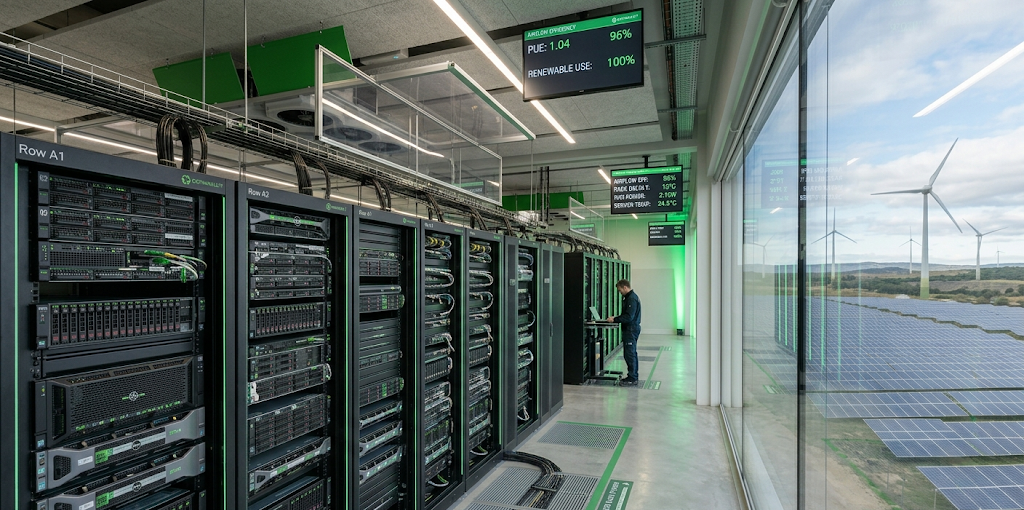
One of the most significant applications of green computing is through data centers. Inside these facilities are thousands of servers that store, process and send digital information around the world. Data centers use copious amounts of electricity and cooling systems to prevent overheating since they are on 24/7. Carbon emissions are a major issue at traditional data centers, particularly if the power is derived from non-renewable sources.
Energy efficient data centers are designed to conserve energy usage without compromising performance. An important way is to increase server efficiency by using advanced hardware designs, which will require more computing power and lower energy consumption. Organisations can also leverage on virtualization technologies that enable multiple application processes to run on a smaller number of physical servers. This minimises the number of machines needed and will also reduce overall energy use.
One more key area that could be improved is the cooling systems. While conventional cooling strategies often consume significant electricity resources, innovative cooling practices like liquid cooling, optimized airflow control, and eco-friendly cooling designs are employed by modern green data centers. Some firms also construct data centers where the natural environment is cooler, minimizing reliance on the use of artificial cooling systems.
Sustainable operations of data centers are gaining level of importance and renewable energy is growing in importance in these contexts. Technology companies are investing in solar, wind and other clean energy to be able to power their infrastructure. Energy-efficient design and renewable energy can help data centers minimize their carbon footprint without compromising on their ability to meet the increasing demands of digital content.
Management of E-Waste and Responsible Technology Disposal
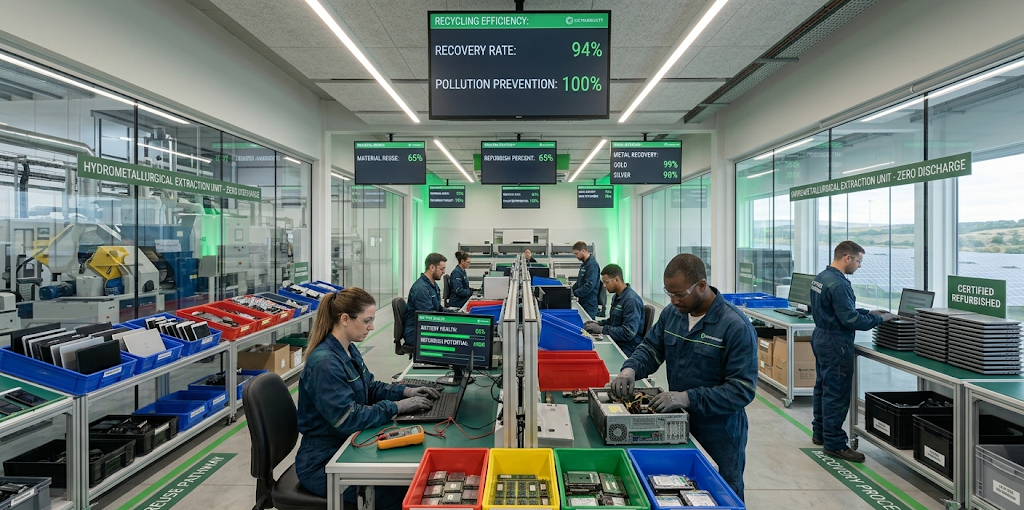
Electronic waste, or e-waste, is one of the largest problems in the environment regarding technology. Millions of obsolete computers, smart phones, TVs, batteries and other electronic devices are thrown away every year. Many of these products have valuable materials that can be recycled, but if disposed of improperly, they can pollute the environment.
Green computing helps to promote responsible e-waste management through the ability of repair, re-use, refurbishment and recycling. Organizations and individuals can help prolong product life cycles by maintaining and upgrading products instead of replacing them right away. For instance, by increasing the storage space or replacing some parts, computers can be kept functional for a few more years.
Companies can implement electronic waste reduction initiatives through technology asset management, donation of working equipment, and collaborating with certified e-waste recyclers. By recycling materials properly, useful resources like metal, plastic, etc., can be recovered, and harmful materials can be avoided to be thrown in landfill.
There is also a role for manufacturers in reducing e-waste. Businesses can develop devices that are more easily mended, upgraded, and recycled. Sustainable product design encourages a circular economy in which products’ materials are used for longer before they are discarded as waste after a brief period of use.
Practicing Sustainable Software Development
The emphasis on hardware in relation to green computing is not the only factor that affects energy usage, however; software does too. Inadequately designed software can demand unnecessary CPU usage, use more memory and overload servers and devices. Software sustainability is about developing software that is efficient yet requires minimal computing resources.
Developers can help promote green computing by optimizing code, minimizing unnecessary computation, optimizing databases, and developing energy-efficient applications. When software is efficient it gives devices the ability to do tasks quicker and hence less processor usage and battery consumption. This is particularly relevant and important for mobile apps, where energy efficiency is a crucial factor in user experience.
Sustainable development practices can also be applied to cloud-based software systems. Applications can be designed to automatically scale resources as needed, rather than having to keep extra servers running. This helps to minimize energy consumption and enhance the efficiency of cloud infrastructure.
The whole software product lifecycle also needs to be taken into consideration while developing sustainable software. Developers can design systems that need to be updated less frequently, maintain compatibility over longer periods of device life and minimise the amount of unnecessary digital storage. Software engineers can make a difference in creating sustainable technology solutions by taking the environment into account in the software development process.
Reduce Digital Emissions and Implement Carbon-Aware Computing
Carbon-aware computing is the new paradigm which aims to ensure that technology choices take carbon emissions into account based on energy consumption. The impact on the environment of the use of computing resources depends on their electricity generation method, which varies widely across the globe and so varies with the time and place when electricity is used.
Carbon-aware systems push computing tasks to times when the energy supply is cleaner. Large scale computing, for instance, may occur when production of renewable energy is greater. This way, digital operations can be kept as they are to avoid sacrificing technological capabilities while significantly lowering the carbon impact of digital operations.
To implement carbon-aware computing, businesses can track energy consumption, choose cloud providers with lower environmental footprints and fine-tune their workloads. Organisations are increasingly able to gain insight and reduce the carbon footprint of their computing use with tools at the disposal of cloud platforms.
Carbon-aware computing also involves people minimizing their unnecessary digital activity, energy settings for their devices, and the services they use that promote sustainability. Individual actions can have a significant impact if they are done on a large scale.
The Future of Green Computing
The ongoing evolution of green computing will hinge on innovation, prudent decision-making and collaboration among technology providers, governments, businesses and individuals. In the era of rising demand for digital services, sustainability will become even more vital for technology solutions. Artificial Intelligence (AI), sophisticated energy management systems, and enhanced renewable energy technologies will all be key enablers in making computing facilities more efficient.
AI poses challenges and opportunities for sustainability. While powerful for various applications, AI systems can also contribute to energy efficiency, transportation systems and environmental studies. The main hurdle will be the responsible development and operation of advanced technologies.
Early green computing adopters can realize long-term benefits from cost savings, efficiency, and enhanced environmental reputations. IT experts will also be instrumental in creating sustainable systems that strike the right equilibrium between performance and sustainability. The more people become aware of it, the more green computing will be a part of the standard requirements for responsible use of technology.
Conclusion
Green computing is a major step in adopting a more sustainable relationship with the environment and technology. Organizations and individuals can help minimize the environmental footprint of digital technologies by enhancing energy-efficient data centers, responsible electronic waste management, creating sustainable software, and implementing carbon-aware computing practices. Technology does not need to be at the cost of the planet – it can be innovative and yet be environmentally responsible.
Businesses can benefit from green computing in various ways, such as reducing costs, enhancing efficiency, and bolstering sustainability initiatives. It offers practical solutions for people to make environmentally responsive decisions about technology. With the growing reliance on digital technology, sustainable IT will play a vital role in shaping a greener, more efficient, and more responsible technological future.


This writeup provided practical information I can use today and I look forward to reading more from you
This post delivered practical information I can use while browsing online and I look forward to reading more from you