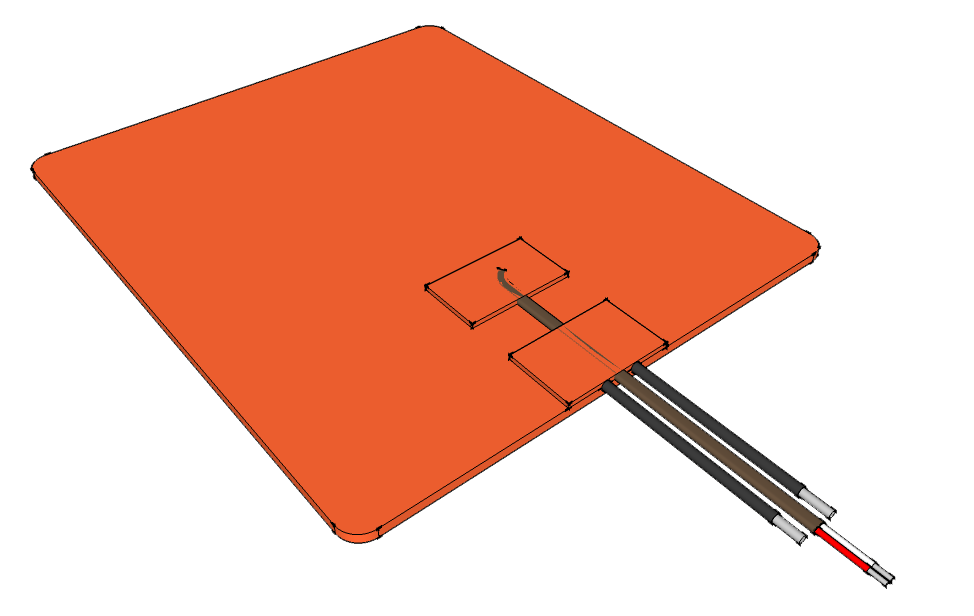
Why Silicone Rubber Heaters Provide More Efficient Thermal Performance
Silicone rubber heaters offer flexible thermal solutions for industries requiring accurate temperature control and efficient energy usage. These components combine silicone insulation materials with internal resistance elements to create stable heating performance. Their thin structure allows direct surface contact, which improves heat transfer and reduces unnecessary energy loss. Unlike rigid heating systems, flexible designs adapt to different equipment shapes and installation spaces. Many industries apply these heating solutions in medical instruments, electronic devices, laboratory systems, and automation equipment. Their reliable operation comes from balanced thermal output, strong insulation properties, and customizable structures. These advantages help manufacturers maintain consistent processes while improving overall equipment efficiency in demanding working environments.
How Silicone Rubber Heaters Improve Heat Distribution Accuracy
Uniform temperature distribution remains a key requirement for modern industrial equipment. Advanced heating structures use carefully designed resistance patterns to spread heat evenly across the surface. This approach reduces concentrated hot areas and protects sensitive components from thermal damage. Engineers can adjust circuit layouts, power density, and sensor placement according to specific application needs. Accurate heat control supports better production stability and reduces temperature-related failures. Flexible materials also improve contact between the heating surface and target components, allowing more effective energy transfer. These characteristics make flexible heating solutions suitable for applications that require precise temperature management, including semiconductor tools, analytical equipment, and specialized manufacturing systems.
Material Characteristics That Create Reliable Heating Performance
Material selection strongly influences heating system durability and operating stability. Silicone provides excellent flexibility, electrical insulation, and resistance against moisture, chemicals, and temperature changes. The material maintains structural performance during repeated heating cycles and protects internal circuits from environmental exposure. Its elastic properties allow installation on curved surfaces without affecting thermal output. High-quality silicone layers also improve mechanical protection and reduce risks caused by vibration or movement. Manufacturing processes usually combine silicone insulation with carefully positioned heating elements to achieve consistent performance. These material advantages support long-term operation in industries where equipment reliability and continuous temperature control are essential for maintaining production quality.
Important Selection Factors For Industrial Heating Applications
Choosing suitable heating equipment requires evaluation of several technical conditions. Different machines need different specifications based on operating environments and performance targets. Professionals usually consider these factors before selecting a suitable solution:
- Required heating temperature and response speed
- Power rating and voltage compatibility
- Installation area dimensions and surface conditions
- Environmental exposure risks
- Temperature monitoring and control requirements
A correct selection process helps prevent inefficient operation and unnecessary maintenance problems. The heating component should match the equipment design, workload, and environmental conditions. Proper evaluation improves system reliability and supports stable performance throughout long-term operation.
How Flexible Heating Designs Improve Industrial Equipment Performance
Flexible heating designs provide practical advantages for equipment with complex structures or limited installation space. Traditional heating components may struggle with irregular surfaces because poor contact reduces thermal efficiency. Flexible solutions overcome this limitation through adaptable structures that fit different shapes and configurations. Their lightweight design simplifies installation and reduces additional mechanical requirements. Industries use these products in battery systems, medical devices, laboratory equipment, and automated production tools. Customized dimensions allow manufacturers to create heating systems that match specific equipment layouts. Better surface contact improves thermal transfer efficiency and supports stable operating temperatures. These features help businesses improve equipment performance while reducing energy waste during continuous industrial processes.
Manufacturing Precision Factors That Influence Heating Reliability
Production accuracy plays an important role in determining heating efficiency and operational stability. Advanced manufacturing methods improve electrical performance, thermal consistency, and product durability. Many heating components use precisely designed resistance circuits to control heat generation across the surface. Manufacturers must maintain accurate circuit spacing because small variations may create uneven temperature areas. Silicone layers also require controlled thickness and strong bonding processes to protect internal structures. Quality inspections usually test insulation strength, resistance values, and temperature distribution before delivery. These procedures help ensure reliable performance in industrial environments. Careful production control allows heating solutions to operate effectively under repeated temperature cycles while reducing risks caused by electrical or mechanical failures.
Customized Solutions For Complex Temperature Control Requirements
Industrial equipment often requires heating designs that match specific operational conditions. Standard products may not provide suitable performance when machines have unusual shapes, limited installation areas, or strict temperature requirements. Customized heating solutions allow engineers to modify dimensions, power levels, connection methods, and sensor locations. These adjustments improve installation accuracy and create better contact between the heating surface and target components. Applications in semiconductor equipment, medical systems, and laboratory instruments often require specialized configurations because temperature stability affects process results. Flexible heating structures support multiple design options, including different shapes, thicknesses, and control systems. Customized solutions help manufacturers achieve reliable thermal management while improving equipment efficiency and reducing unnecessary energy consumption.
Maintenance Practices That Extend Heating System Service Life
Proper maintenance supports stable heating performance and reduces unexpected equipment problems. Regular inspections help identify electrical issues, surface damage, or temperature changes before they affect operations. Operators should check connections, insulation conditions, and controller settings during scheduled maintenance periods. Cleaning the installation surface also improves contact quality and prevents contamination from reducing thermal transfer efficiency. Excessive pressure or improper installation should be avoided because mechanical stress may damage internal circuits. Recommended maintenance actions include:
- Checking resistance values during routine inspections
- Monitoring temperature output changes
- Verifying sensor accuracy and controller settings
- Inspecting insulation layers for visible damage
Consistent maintenance improves reliability and helps equipment maintain efficient operation. A suitable maintenance plan also reduces replacement frequency and supports longer service periods.
Energy Efficiency Benefits In Modern Industrial Heating Systems
Energy management has become an important factor in industrial equipment development. Silicone rubber heaters improve heating efficiency by transferring heat directly to target surfaces with minimal energy loss. Their flexible structure allows close contact with components, which reduces heat dissipation during operation. Fast thermal response also helps systems reach required temperatures quickly and avoid unnecessary energy consumption. Precise temperature regulation prevents overheating and supports more stable production conditions. Industries using automated equipment benefit from consistent thermal performance because accurate temperatures improve manufacturing reliability. These advantages make flexible heating technology suitable for applications focused on productivity and energy conservation. Efficient thermal control also helps companies reduce operating expenses while maintaining high equipment performance.
Future Development Trends In Flexible Heating Technology
Heating technology continues to advance as industries demand smaller, smarter, and more efficient thermal solutions. Future developments focus on improved sensor integration, intelligent temperature control, and advanced material combinations. Automated systems can adjust heating output according to real-time operating conditions, creating better energy management. New material technologies may further improve flexibility, durability, and resistance against challenging environments. Electric vehicles, renewable energy systems, and precision manufacturing equipment are increasing demand for advanced heating methods. Manufacturers are also exploring Silicone rubber heaters designs that provide faster response times and more accurate temperature control. These improvements will support industrial applications that require reliable thermal performance while meeting modern efficiency standards.
FAQ
What Applications Commonly Use Flexible Heating Solutions?
Flexible heating solutions are widely used in industries requiring stable and accurate temperature control. Common applications include medical equipment, semiconductor processing systems, battery manufacturing tools, laboratory instruments, and aerospace devices. These products work especially well when installation areas contain curved surfaces or limited space. Their thin structure allows integration into compact equipment designs without adding unnecessary weight. Many industries choose flexible heating systems because they provide fast response, consistent heat distribution, and strong environmental resistance. Customized designs also allow engineers to adjust specifications according to different operating requirements, making them suitable for specialized industrial processes.
How Do Flexible Heating Components Reduce Energy Consumption?
Flexible heating components reduce energy consumption by improving heat transfer efficiency and minimizing thermal losses. Their close surface contact allows energy to move directly toward the required area instead of heating surrounding spaces. Fast heating response reduces warm-up periods and helps equipment reach operating temperatures more quickly. Accurate temperature control prevents excessive power usage caused by unstable heating cycles. When combined with suitable sensors and controllers, these systems can maintain consistent thermal conditions with better energy management. This performance supports industries seeking lower operating costs while maintaining reliable production processes. Efficient heating design also contributes to improved equipment performance and reduced environmental impact.
What Factors Influence The Lifespan Of Heating Components?
The lifespan of heating components depends on material quality, operating conditions, installation methods, and maintenance routines. Proper voltage selection helps prevent electrical stress, while suitable temperature settings protect internal circuits from excessive heat exposure. Environmental factors such as moisture, chemicals, and vibration may also affect long-term performance. Correct installation ensures stable contact and reduces mechanical damage risks. Regular inspections help detect early issues and prevent unexpected failures. High-quality materials, precise manufacturing, and appropriate application matching all contribute to longer service life. Users can improve reliability by selecting products designed for their specific working environment and maintaining them according to operational requirements.