
Every great performer starts somewhere, but the difference between a child who simply “takes acting classes” and one who truly develops confidence, discipline, and skill often comes down to one critical decision: choosing the right acting school. With so many options available, parents can feel overwhelmed trying to identify a program that nurtures talent while keeping learning structured, engaging, and age-appropriate.
Selecting the right environment isn’t just about convenience; it’s about shaping your child’s creative future. Here’s a detailed, practical guide to help you make an informed decision.
Start with Clear Goals for Your Child
Before comparing schools, take a step back and define what you want your child to gain from acting classes. Different schools specialize in different outcomes.
Ask yourself:
- Is your child interested in acting as a hobby or a potential career?
- Do they need help building confidence and public speaking skills?
- Are they preparing for auditions or competitions?
For example:
- A shy 10-year-old may benefit from a program focused on confidence-building and improvisation.
- A teen interested in film acting might need on-camera training and audition techniques.
Having clear goals will help you filter out programs that don’t align with your child’s needs.
Research Curriculum and Teaching Methods
A quality acting school doesn’t just teach acting; it follows a structured curriculum. When evaluating options, look for programs that clearly outline what your child will learn over time.
Key elements to examine:
- Skill progression: Does the program move from basic to advanced techniques?
- Acting methods: Do they teach Stanislavski, Meisner, or improvisation techniques?
- Practical training: Are there mock auditions, scene work, or performance opportunities?
For instance, a reputable program like kid’s acting classes in Baltimore often includes structured classes such as:
- Voice and diction training
- Movement and body awareness
- Scene study and character development
- Improvisation and creativity exercises
Avoid schools that focus only on “fun” activities without measurable learning outcomes. While enjoyment is important, skill development should remain a priority.
Evaluate the Instructors’ Experience
The quality of instructors plays a major role in your child’s growth. Look for teachers who not only have acting experience but also understand how to work with children.
When reviewing instructors, consider:
- Do they have professional acting or directing experience?
- Have they worked with children or young actors before?
- Do they encourage creativity while maintaining discipline?
It’s also a good idea to ask:
- How do they handle different learning speeds?
- What is their approach to shy or introverted children?
Experienced teachers know how to balance structure with encouragement, ensuring that each child feels supported while being challenged.
Check Class Size and Individual Attention
Smaller class sizes often lead to better learning outcomes. A class with too many students can limit a child’s ability to participate actively.
Ideal class sizes:
- 5–10 students for younger children
- 8–12 students for teens
Why this matters:
- More stage time for each student
- Personalized feedback from the instructor
- Better opportunity to build confidence
If possible, observe a class or ask for a trial session. Notice how much individual attention each student receives.
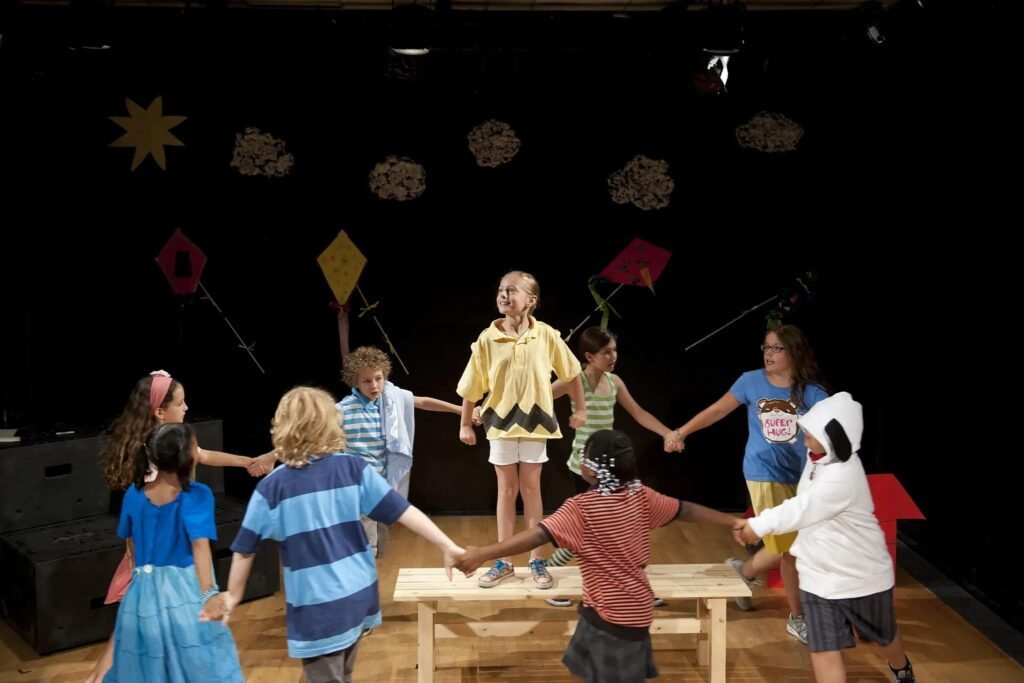
Look for Performance Opportunities
Acting is a performance-based skill. Without real practice, it’s difficult for children to build confidence and stage presence.
A strong acting school should provide the following:
- End-of-term performances or showcases
- Opportunities to perform in front of an audience
- Recorded scene work for review
- Participation in small productions or showcases
These experiences help children:
- Overcome stage fright
- Learn how to handle feedback
- Gain real-world acting experience
For older children, acting classes for teens in Baltimore often include audition training and on-camera practice, helping them build a path toward a professional career.
Consider Class Structure and Flexibility
Consistency is key in acting training. However, flexibility is equally important, especially for children who balance school, hobbies, and other commitments.
Look for programs that offer:
- Weekly structured classes
- Clear progression levels (beginner, intermediate, advanced)
- Flexible schedules or make-up classes
A well-structured program ensures that your child builds skills step-by-step without feeling overwhelmed.
Observe the Learning Environment
The environment of the acting school plays a huge role in your child’s comfort and growth.
Pay attention to:
- Is the atmosphere supportive and positive?
- Are students encouraged to express themselves freely?
- Is the space safe, clean, and well-equipped?
A good acting school fosters creativity without pressure, allowing children to experiment, make mistakes, and grow.
Read Reviews and Speak to Other Parents
Parent feedback can give you real insights into the school’s effectiveness. Look beyond the website and explore:
- Google reviews
- Social media feedback
- Testimonials from other parents
Ask current or past students:
- Has your child gained confidence?
- Have they improved their communication skills?
- Do they enjoy attending classes?
These real-life experiences can help you make a more informed decision.
Evaluate Cost vs. Value
While budget is important, the cheapest option is not always the best. Instead, focus on value.
Compare:
- What is included in the fee?
- Are performances, materials, or workshops included?
- Are there hidden costs?
A slightly higher investment may provide:
- Better instructors
- More structured learning
- Greater opportunities for growth
Think of it as investing in your child’s development rather than just paying for classes.
Schedule a Trial Class Before Committing
A trial class is one of the best ways to evaluate whether a school is the right fit.
During the trial:
- Observe how the teacher interacts with students
- Notice how your child responds to the environment
- Check if your child feels comfortable and engaged
After the class, ask your child:
- Did you enjoy the class?
- Did you feel encouraged?
- Would you like to come back?
Their feedback is crucial in making the final decision.
Final Thoughts: Choosing the Right Path for Your Child
Selecting the right acting school is about more than just learning lines; it’s about building confidence, creativity, communication, and life skills that will benefit your child far beyond the stage.
By carefully evaluating curriculum, instructors, class size, and learning environment, you can ensure that your child receives the best possible training in a supportive and structured setting.
If you’re ready to take the next step, explore professional programs and structured learning opportunities at Acting With Max Studio. Choosing the right acting school today can help shape a confident, expressive, and skilled performer for tomorrow.