Introduction
Tesla Autopilot vs FSD confusion comes from the names. Autopilot is basic driver assist, Enhanced Autopilot adds convenience, and FSD (Supervised) covers more scenarios, but none are fully self-driving and all need driver supervision.
In terms of what each system does, that is the main difference. Autopilot mostly out for adaptive cruise control and steering assistance, at FSD which goes in for more complex tasks like navigation, lane changes, and turns. It is important to understand these differences before you pay for any Tesla driver assistance package.
What Is Tesla Autopilot?
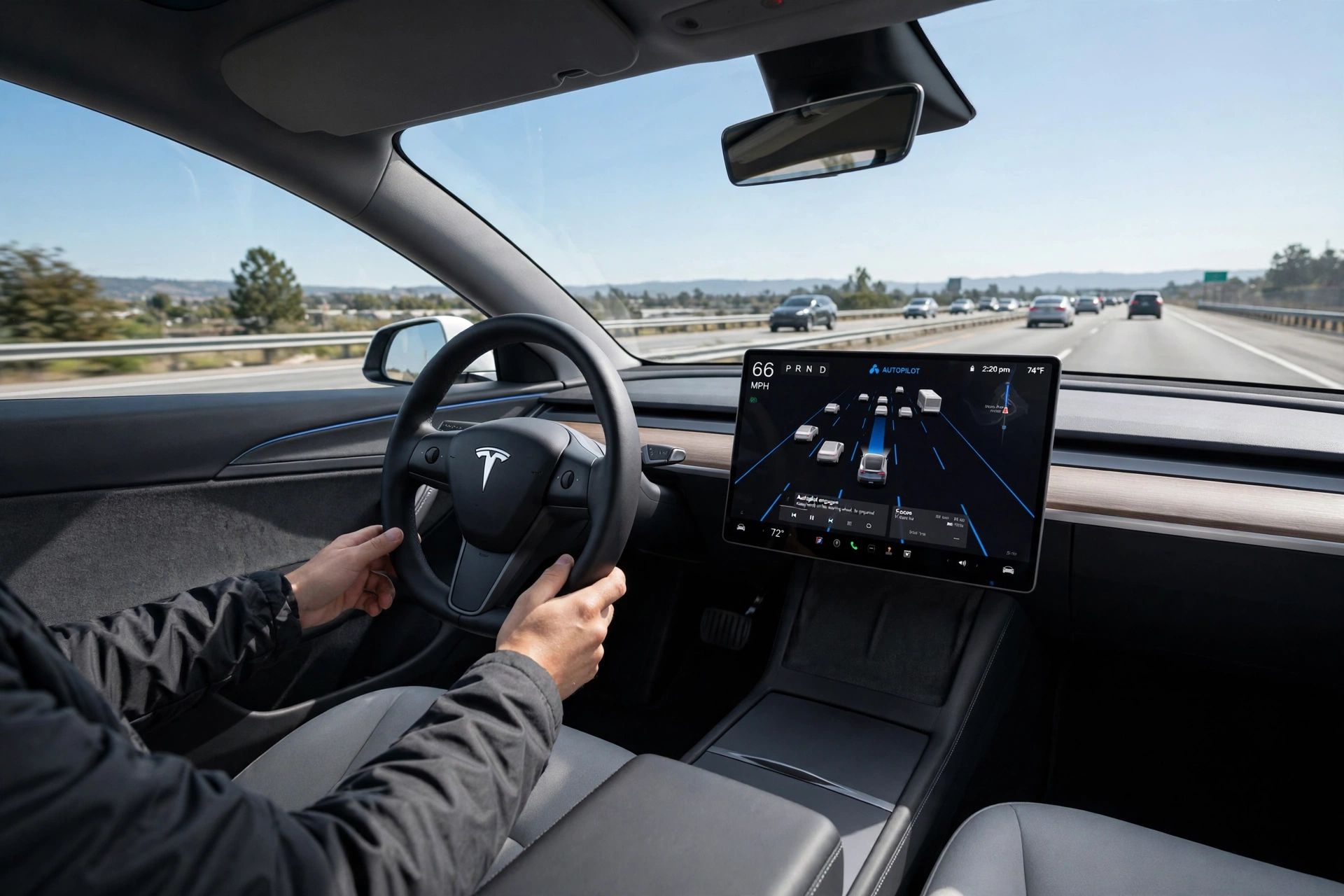
Tesla Autopilot which includes Traffic Aware Cruise Control and Autosteer. With Traffic Aware Cruise Control your car will adjust speed in response to traffic in front of you, also Autosteer which will keep your car in the lane. These features which do the routine steering, acceleration, and braking on the highway may make driving a little less tiresome.
Also Autopilot doesn’t take over the driving completely. You must pay attention to the road and be ready to take over. That said, lane markings, road quality, traffic actions and other variables may play a role in how the system performs which is why drivers should not assume that Autopilot will do it all.
What Is Enhanced Autopilot?
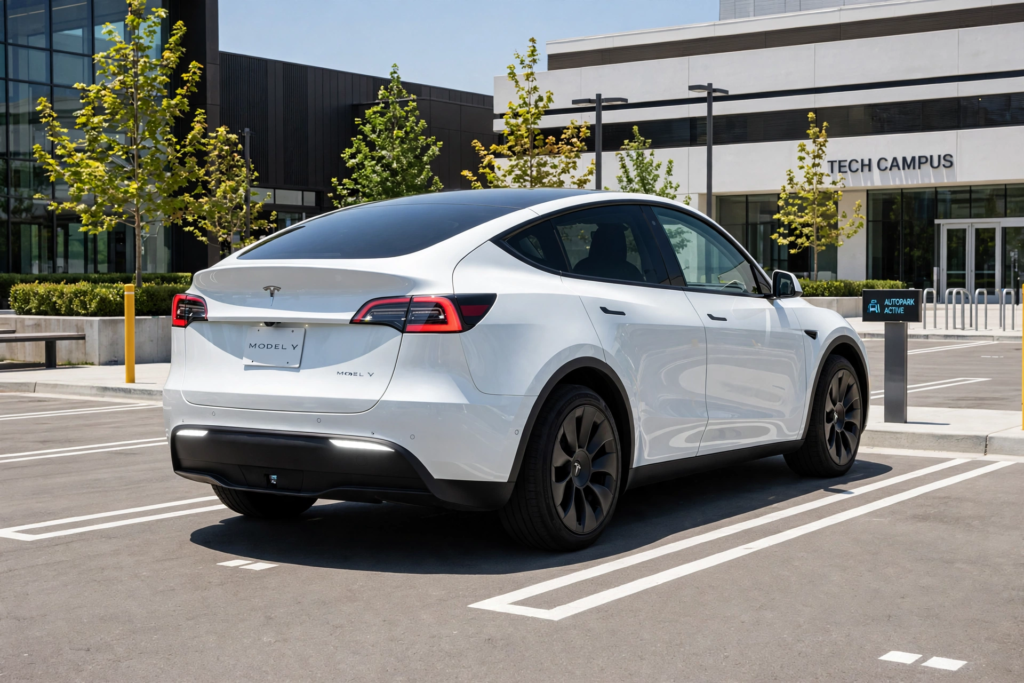
Enhanced Autopilot takes things to a new level beyond what is included in the basic package. What you get depends on your car model and which market you are in but may include features like Navigate on Autopilot, Auto Lane Change, Autopark, Summon, and Smart Summon. We have put these in to make your highway travel, lane changes, and parking experience much easier.
For those that wish to have more support from their Tesla but don’t want to go all out for the Full Self Drive package, Enhanced Autopilot is a good in between option. Also like other Tesla assist features, at this time Enhanced Autopilot requires you to be the primary attention to the vehicle.
What Does Full Self-Driving Actually Do?
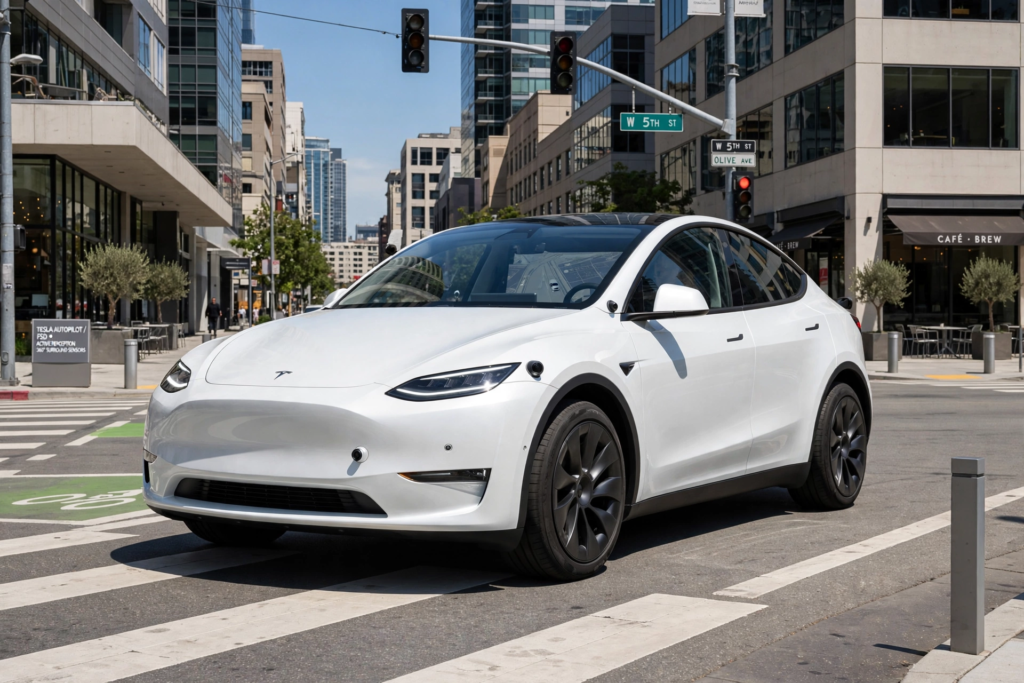
Full Self Drive at present is what Tesla has rebranded as Full Self Driving (Supervised) which they have made to include a wider range of features. By which we mean that based on your car, software version and which part of the world you are in FSD may include assistance with city driving, navigation, changing lanes, turning and other driving tasks. Also it is to be noted that this is much more extensive than what Basic Autopilot has to offer.
Despite the fact that the name may suggest otherwise, FSD in fact is not a system which allows the driver to stop paying attention. Tesla has designed it such that the driver is responsible and always ready to take over. FSD at times may make errors or come across situations which it does not deal with well so it should be used as an advanced driver assistance feature and not a full auto pilot solution.
Autopilot vs Enhanced Autopilot vs FSD
Here is a way to look at the three systems which is to see them as progressive levels of assistance. Autopilot which is the most basic level includes features like cruise control and steering aid. Enhanced Autopilot which builds on that includes assisted lane change, nav aid, and parking in areas which support it. FSD which is the farthest along in terms of scope includes a greater range of driving situations from city streets to complex maneuvers.
The systems’ also vary in price and availability. What you get in terms of features may differ by Tesla model, hardware, software version, model year, and by country. Thus it is up to the buyer to check out the features of the car they are thinking to purchase instead of assuming that what is present in one Tesla is present in all.
What does Tesla Autopilot and FSD not do?
Neither Autopilot nor FSD is a get out of monitoring the road free card. Out of the question that drivers should sleep, use their phones, or willfully ignore what the car is doing when these systems are on. Tesla’s driver assistance tech can present in atypical road settings, construction, poor visibility, foreign objects in the road, or unexpected traffic situations.
FSD does a better job in a wider range of situations as compared to Basic Autopilot, but it is important to note that greater performance does not equate to flawlessness. The system may at times make a wrong call or may require you to take over. As a result the driver is responsible for staying alert and taking over at any time.
Safety Requirements
In terms of safety Tesla reports that driver attention is key for their assistant systems. We see that Tesla has implemented warnings which are given out should the system identify a drop in driver input and also that in some models the in-car camera is used for driver monitoring. Also reported is that persistent ignore of the warnings may result in the system turning off or reducing its function.
The car’s equipment which includes cameras must also be left in good working order and free from obstruction. Weather, road markings, visibility and traffic will play a role in performance. At all times the system may ask for your control back which is why you must not think that automation takes over your responsibilities.
FSD Subscription vs One-Time Purchase
Tesla is reporting that it is growing in its adoption of a monthly subscription for FSD which in turn allows owners to pay for the feature as a service instead of a one time large payment. In the US Tesla has put the price of FSD (Supervised) at $99 per month but do note that which price you will pay and if the service is available may change. Also a subscription may be a good fit for drivers that only want to use FSD for a short time or just at certain times.
For example at 1,188 for the year before any price changes. If you are going to own the Tesla for a long time and plan to use FSD regularly you should look at the total subscription cost. Buyers should check Tesla’s current pricing and terms before deciding as the company’s prices and options may change.
Is Tesla FSD Worth It?
FSD is a good fit for those that do a great deal of city driving and very long trips, and also have a large interest in the full range of Tesla’s present autonomous driving features. It does a better job at handling more complex routes, turns, lane changes, and urban driving which is not as well covered by the base Autopilot.
Also in many cases FSD may not justify the extra cost for the person that primarily requires highway assistance. Base Autopilot which we have now does well with cruise control and steering assistance. What really should be asked is not if FSD sounds like it has what it takes, but does it in fact add enough value to your actual driving.
Conclusion
Tesla Autopilot, Enhanced Autopilot, and FSD are meant to be driver assistance features which are not to be looked at as a substitute for the driver. Autopilot is for basic highway assist, Enhanced Autopilot includes more convenience features, and FSD has the widest range of supervised driving features.
For a large number of customers Basic Autopilot does what they need. As for those that want greater automation which may or may not be available — we have Enhanced Autopilot. Also tech enthusiasts and heavy drivers may see value in FSD. To that which package you choose though do not forget to pay attention and be ready to take over. Also by the name Full Self-Driving do not think that you have permission to stop supervising your vehicle.