Mercedes-Benz Common Problems are among the biggest concerns for both current owners and prospective buyers looking for long-term reliability. Mercedes-Benz has long been renowned for its reputation as a symbol of luxury, engineering precision, and driving excellence. Whether it’s sleek sedans or powerful SUVs, the brand always brings in the latest in sophistication and innovation. Under the curtain, however, is an ugly truth that many owners have to deal with: there are mechanical and electrical problems that will crop up again, potentially undermining reliability. Familiarizing yourself with these issues can help you be better prepared to make repairs where needed, and know what to expect when you’re considering a purchase.
This report provides a detailed review of the most frequently reported Mercedes-Benz issues, such as electrical system failures, air suspension failures, oil leaks, and transmission issues. Knowing the causes of the average breakdowns, owners can better plan for repairs and keep their cars on the road longer. Even though Mercedes-Benz is a purveyor of luxury, proactive care is the most important aspect to guarantee that the driving experience is up to the brand’s standards.
Electrical System Problems
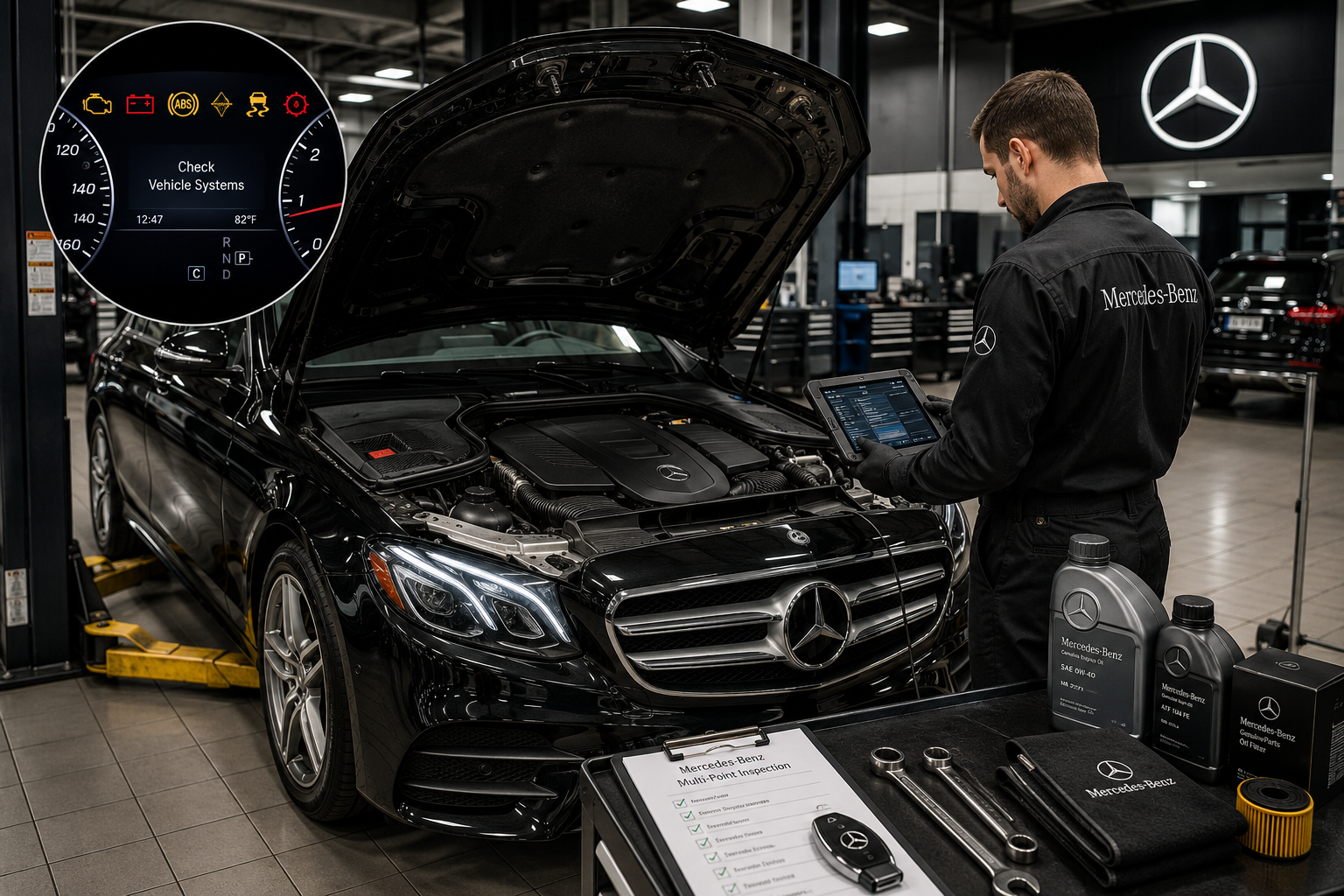
With so much electronics sophistication in Mercedes-Benz vehicles, reliability is often a concern. Owners often experience problems with the central command unit, the wiring harness, or malfunctions of the sensors. The electrical irregularities may cause dashboard warning lights, infotainment system failures, and even battery drain. A high degree of electronic integration is used in modern Mercedes-Benz vehicles, and often the diagnosis of faults is complex and specialized work requiring the use of additional equipment—a factor that can make repair costs higher. The average cost of electrical system repair can be anywhere between $300 and $1,200, depending on its components, such as the alternator or ECU.
Here are some tips that will help avoid electrical problems: frequent checks, software maintenance, and prevention of moisture in sensitive wiring locations can minimize the risk of failure. Owners should also refrain from modifications by other manufacturers that could conflict with the car’s electrical systems. Routine checks can help prevent major issues from becoming expensive repairs if they are detected early. Watching and taking preventive action are the crucial elements to maintain Mercedes-Benz electronics’ reliability over the long term.
Air Suspension Failure
AIRMATIC suspension systems are found on Mercedes-Benz models that provide outstanding comfort, but are prone to failures. The complaints are usually a sagging suspension, an unbalanced suspension height, or the entire suspension collapsing. Usually, these problems are a result of air springs or compressor failures. Replacement costs are significant: air struts cost approximately $1,000–$1,500 per corner, and a new compressor is approximately $800–$1,200. It’s one of the most recurring expenses for many owners.
Prevention is to check for leaks in the suspension regularly and to listen out for any unusual noises coming from the compressor. Worn seals can cause a great deal of damage if they are not replaced in time. Some owners choose to install the standard coil spring suspension in their vehicles in order to reduce the number of air suspension failures and repair costs, but this reduces ride quality. With the intent to keep the original system, regular servicing and replacement with OEM parts is very important to keep the system performing at its best and to ensure a long lifespan.
Oil Leaks
Another common problem regarding Mercedes-Benz cars involves oil leaks, especially with older cars. The source of these leaks is frequently from the valve cover gasket, oil cooler seal, or rear main seal. Symptoms range from oil leaks under the vehicle, to burning odors as a result of oil dripping on a hot engine part, to decreased oil pressure between oil changes. Repair costs can range from $300 to $600 for replacement gaskets, up to more than $1,500 for more complicated repairs such as the replacement of a rear main seal, which is a labor-intensive task.
It is important to maintain it regularly to prevent oil leaks. Oil changes are also a chance for mechanics to check for gasket wear and tear and keep the engine lubricated. Stress on seals may be minimized by using high-quality synthetic oil and OEM filters. Also, owners need to check oil levels frequently and take care of small leaks as soon as possible, as they could cause damage to the engine. By using proactive care, oil leaks can be kept as a simple inconvenience and not a significant mechanical problem.
Transmission Issues
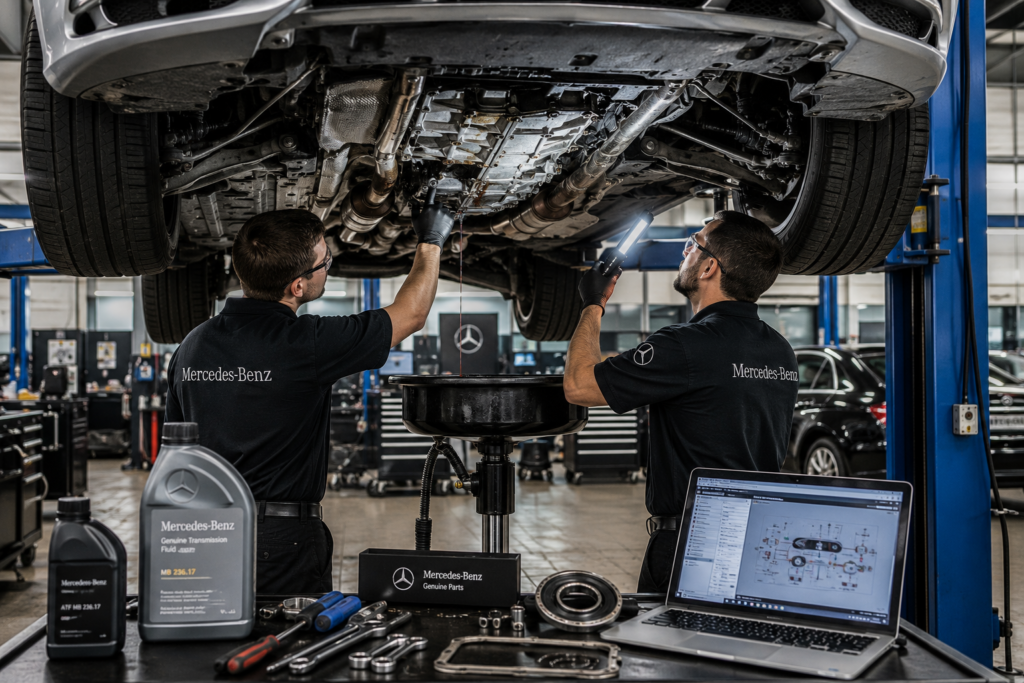
While Mercedes-Benz transmissions, especially the 7G-Tronic and 9G-Tronic, are typically dependable, they do have their share of issues. Common problems are rough shifting, delayed engagement, or failure of the transmission. These problems can result from worn valve bodies, damaged solenoids, or from a lack of fluid replacement. Repairs may be expensive: minor repairs are $800–$1,200, and replacing the transmission is in excess of $4,000. Many car owners encounter a problem with transmission, and it can be one of the most costly repairs.
Fluid maintenance is the basis for preventive strategies. The suggested interval for changing the transmission fluid is between 40,000 and 60,000 miles; however, too many people don’t follow up on their transmission fluid changes. Internal wear is prevented by regular fluid replacement and filter changes. Also, its lifespan will depend on driving practices, such as not running it too hot when accelerating, and warming the transmission in cold weather. Taking proper care of the transmission can go a long way in preventing costly transmission repairs.
Average Repair Cost and Other Ownership Considerations
The one benefit of owning a Mercedes-Benz is the feeling of prestige that comes with driving one; however, repairs are also more expensive than for more popular brands. Electrical repairs cost $300–$1,200, air suspension repairs $1,000–$1,500, oil leak repairs $300–$1,500, and transmission repairs $4,000 or more. It’s a sign of the budget that must be allocated to car maintenance, which is a crucial consideration for anyone purchasing a Mercedes-Benz. Extended warranties or certified pre-owned (CPO) warranty programs can help minimize unexpected costs.
Owners should also see whether they can get specialists that they can employ. Mercedes-Benz often requires factory-trained mechanics and diagnostic equipment, whereas independent shops might be able to provide lower prices. Choosing the appropriate repair shop can make a huge difference in repair costs and reliability. The bottom line is this: you have to have the right maintenance and repair expectations to enjoy the luxury experience.
Tips to Avoid Long-Term Reliability Problems
Taking a proactive approach is the best way to prevent common Mercedes-Benz issues. The importance of maintenance cannot be overstated, and it is crucial to adhere to manufacturer-recommended maintenance schedules and to use OEM parts. Electrical systems benefit from software updates and moisture protection, while air suspension longevity depends on early detection of leaks. A well-maintained oil seal with proper lubricant and driving practices can result in a reliable transmission, with regular oil changes helping to minimize leaks.
Owners should develop a relationship with a mechanic they trust and who understands Mercedes-Benz engineering. This ensures that minor problems are dealt with before they escalate. While the up-front expense of maintenance may be steep, the price of long-term repairs will be thousands of dollars less. With a blend of alertness and expertise, Mercedes-Benz drivers can experience the high-end performance of their cars without constantly facing issues.
Conclusion

Mercedes-Benz cars come with various ownership issues, besides being luxurious and innovative. The most common issues include electrical problems, air suspension failures, oil leaks, and transmission issues—all of which have a high cost to repair. However, by taking proactive actions such as preventative measures, informed decisions, and maintenance programs, owners can help minimize these risks and extend the life of their vehicles.
The answer to these challenges helps owners understand what they’ll get out of owning a Mercedes-Benz, ensuring that the experience is as fun and rewarding as the company promises. As a Mercedes-Benz enthusiast, you can rest assured of its reliability over the years while enjoying the prestige of the brand—knowing potential problems and taking preventive action.