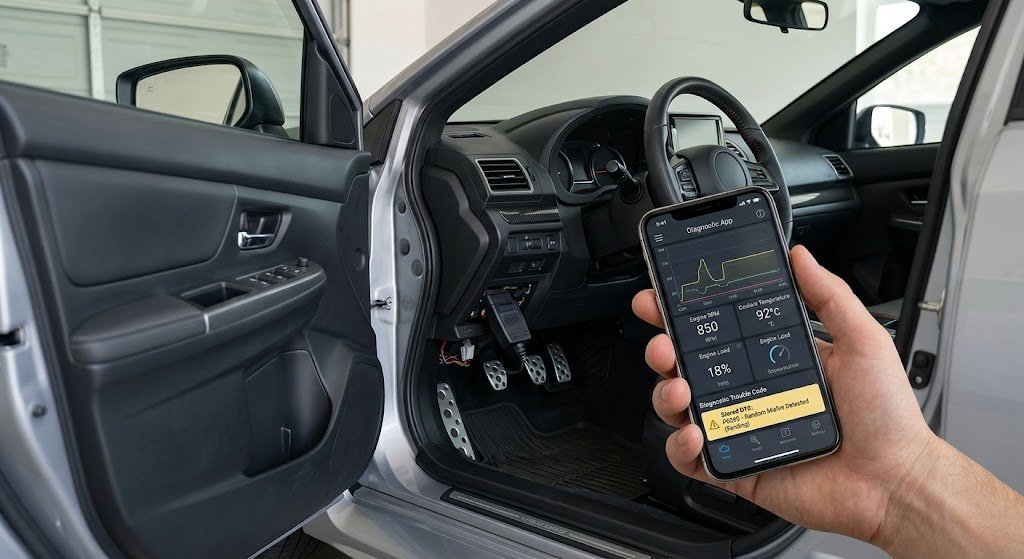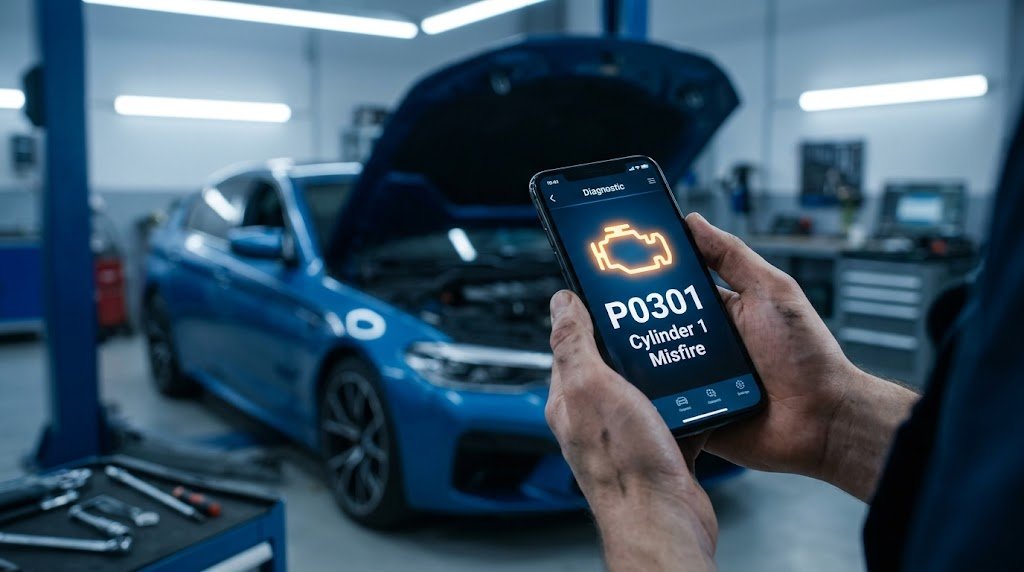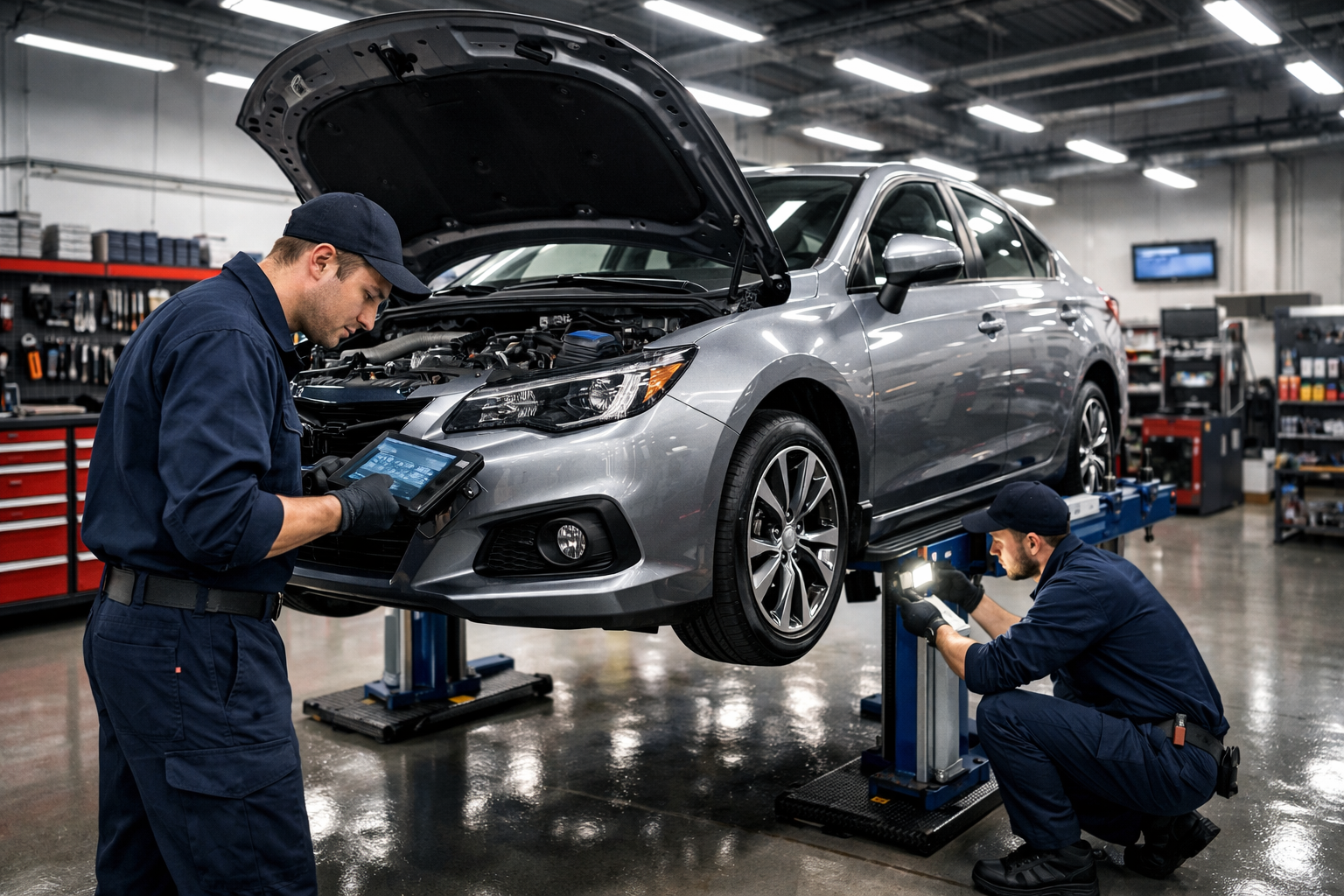
Car maintenance guide: Today’s time and money investment will pay off in the future, also we see to it that your car is at its best. Every car owner knows the frustration of unexpected breakdowns, but many of these issues can be avoided with consistent upkeep. By following recommended schedules for oil changes, brake service, tire rotations, battery care, and fluid checks, you can extend the lifespan of your car and prevent costly repairs. Think of maintenance as an investment: the time and money you spend today will save you far more in the future, while also ensuring your car performs at its best.
In this in-depth guide we will go over basic maintenance schedules, average costs, and warning signs you should look out for. Also, we will put forth do-it-yourself tips for when you can handle that which is simple and which issues you should take to a pro. Whether you are new to driving or a well-experienced car owner, by the end of this you will know the fundamentals of Car Maintenance which will in turn give you that confidence and peace of mind every time you get in your car. At the end of our guide you will have a step-by-step plan for keeping your car in top shape all year round.
Understanding Car Maintenance Schedules
Car manufacturers design maintenance schedules which see to it that each of your vehicle’s systems gets the care it needs at the right time. We see these mostly in terms of mileage and time out—for instance, every 5,000 miles or every 6 months. They include everything from oil changes, to brake checks, tire rotations, and fluid levels. By following these put forth guidelines you help to prevent small issues from turning into big repairs, which in turn saves you money and keeps your car reliable.
Neglecting those schedules will bring down fuel efficiency, reduce performance, and also present safety issues. For example, when you skip brake checks it may present with worn-out pads which in turn reduces stopping power, and also not doing tire rotations may result in unequal wear and less traction. By looking at maintenance as a form of preventative health care for your car you will keep it in best condition and avoid the stress of sudden breakdowns. A very doable approach to setting a maintenance schedule is the best way to see your vehicle’s lifespan extended.
Oil Changes: Frequency, Price, and Warning Symptoms
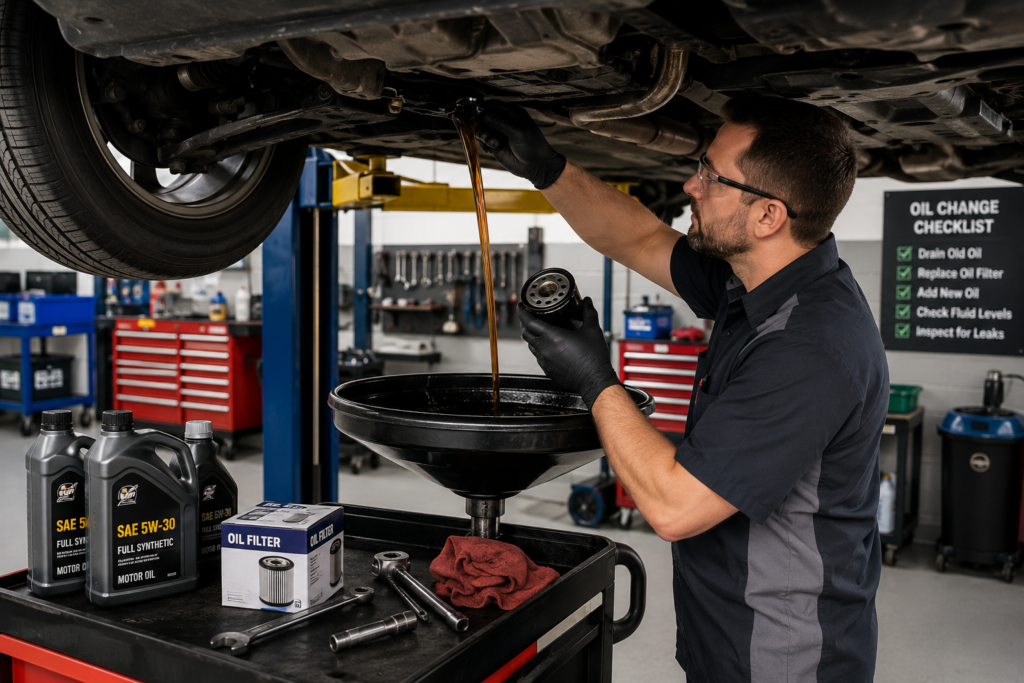
Oil changes are at the base of what car care does. Engine oil is what keeps moving parts going, it reduces friction and also in general terms of use it is what prevents extreme heat. As time goes by oil does in fact break down and also its performance goes down with it which in turn may cause engine damage. Most cars require an oil change every 5,000 to 7,500 miles, also we see that synthetic oils do better and last longer. By sticking to that schedule you see smooth and efficient engine performance which in the long run also improves fuel economy.
The range for an oil change is between $40–$100 which does vary by type of oil and service provider. That your car could use an oil change is indicated by dark or gritty oil, unusual engine sounds, or dashboard warnings. Do-It-Yourself oil changes are an option with the basic tools, also very important is the proper disposal of used oil. Regular oil changes are the easiest way to care for your engine and to extend your car’s life which is why we put them at the top of any maintenance plan.
Brake Service: First Things First
Brakes are very important for your safety and must not be put out of mind. We recommend that you get them checked up at 10,000 to 15,000 miles, also during that time you can expect to have to replace your brake pads between 30,000 to 70,000 miles based on how you use the car. Ignoring brake care may result in increased stopping distance, vibrations, or in the worst case total brake failure. As brakes are your vehicle’s primary safety feature they require a great deal of attention.
Brake services very much range in price. We see that pad replacement to be in the $150–$300 range per axle, which for rotors can go over $500. Signs that you may need work done include a squeal, a grind, or a spongy feel to the pedal. Although do-it-yourself options for pad change are there, many car owners opt for professional service because of the safety issues. By keeping your brakes in great shape you are in fact increasing your safety as well as the safety of all other people on the road which is perhaps the most important aspect of car care.
Tire Rotation and Care
Tires are what your car has in contact with the road which is why their care is so important. We recommend you rotate your tires every 5,000 to 8,000 miles which in turn will promote even wear. Uneven wear causes a drop in traction, an increase in fuel use, and also brings down tire life. By rotating your tires regularly we mean that wear will be distributed more evenly which in turn will improve performance and extend tire life. Also, proper tire maintenance will improve handling which in turn makes for a better and safer driving experience.
The average cost for a tire rotation is $20–$50 which many shops include as a part of other services. Also note that we see tire issues in this way: uneven tread wear, vibrations while you are driving, or a high rate of air pressure loss. Do-It-Yourself tire rotation is a go if you have a jack and the right tools but do not forget the safety gear. Also beyond rotation what you can do is maintain proper tire pressure and alignment which in turn will do great things for handling and fuel efficiency. We tend to ignore tires but they play a key role in safety and comfort.
Battery Care and Replacement
Car batteries are key to getting your engine going and running electrical systems. Most last 3 to 5 years but in very hot or cold weather and on short trips that number may be less. As a rule, do check that terminals are free of corrosion and the battery is properly secured. A weak battery can leave you at the side of the road so it’s best to play it safe and take care of your battery.
The new battery cost goes from $100–$250 which varies by brand and type. As for telltale signs of a bad battery you will see slow start-up of the engine, dimming of the headlamps, or warning lights at the dash. Do-It-Yourself installation of a new battery is a simple task, also it is important to properly dispose of used batteries due to environmental issues. Regular battery checkups will put you ahead of unexpected breakdowns and see that your car’s electrical systems are in working order which in turn will leave you not caught off guard.
Fluid Checks: The Heart and Soul of Your Vehicle
Fluids are key to running your car’s systems smoothly. Beyond engine oil we also have coolant, transmission fluid, brake fluid, and power steering fluid which each play a specific role from cooling to smooth gear shifts. We recommend checking fluid levels every few months which in turn will alert you to any leaks or contamination at an early stage and so prevent damage to important systems.
Costs of fluid replacement will vary. As an example, coolant flushes usually run between $100–$150 and transmission fluid changes can go from $150–$250. Warning signs are when you see your car overheating, have trouble with the shift of gears, or produce unusual noises. Do-It-Yourself fluid checks are easy with the help of your car’s manual, but for most people professional service will be required. By keeping the fluids clean and at proper levels you will see your car run more efficiently and also prevent large-scale damage to your car’s systems which in turn makes fluid care a very important part of responsible car ownership.
Average Maintenance Costs: Reliability Budgeting
Car maintenance is a variable expense which depends on your car’s brand, model, and age. As a rule of thumb annual maintenance runs between $500–$1,200. This includes things like oil changes, tire rotations, and brake checks. Also, you may see higher costs in luxury or performance cars which have specialized parts and labor. By being aware of these costs car owners can better plan their budget and also avoid financial surprises.
Budget for maintenance issues to avoid the unexpected. Each month put away a sum for car care which includes routine services and also sudden repairs. Although do-it-yourself repair may save you money, professional services often come with a warranty and better peace of mind. Look at maintenance as an investment which in turn will make you appreciate the car’s long-term value. With a good plan your car will stay reliable without breaking the bank.
DIY Tips for Car Owners
DIY maintenance is a way for car owners to take charge of their vehicle’s health. Tasks such as checking tire pressure, filling up fluids, or changing out wiper blades may be done with minimal tools and knowledge. While these are small things they in fact play a large role in the whole picture of vehicle performance and safety, also at the same time which in turn saves on labor costs. As you learn the basics of DIY you also build your confidence and at the same time come to know your car better.
Economical do-it-yourself care with professional-level service when needed ensures you get the best of both worlds. By combining DIY efforts with professional services, car owners can maximize savings while ensuring their vehicle receives comprehensive care. A balanced approach ensures your car gets the best of both: cost-effective DIY upkeep and expert-level service when needed.
Conclusion: Maintaining Your Car’s Performance

Keeping your car in like-new condition and avoiding breakdowns is about being proactive. By following recommended schedules, monitoring warning signs, and budgeting for routine care, car owners can enjoy reliable performance year after year. Whether you choose DIY tasks or professional services, the goal remains the same: ensuring your vehicle stays safe, efficient, and dependable. Consistency is key—small, regular efforts add up to significant long-term benefits, both financially and in terms of safety.
A well-cared-for car is more than a piece of metal; it is a trusted travel companion through every trip. Putting in the time and resources for maintenance pays off in smoother rides, fewer repairs, and greater peace of mind. In the end, car care is about protecting your vehicle and the people who depend on it. By taking a proactive approach, you ensure that your car is ready for the road ahead. With consistent care, your vehicle will reward you with years of reliable service and worry-free driving, making maintenance one of the most valuable commitments you can make as a car owner.