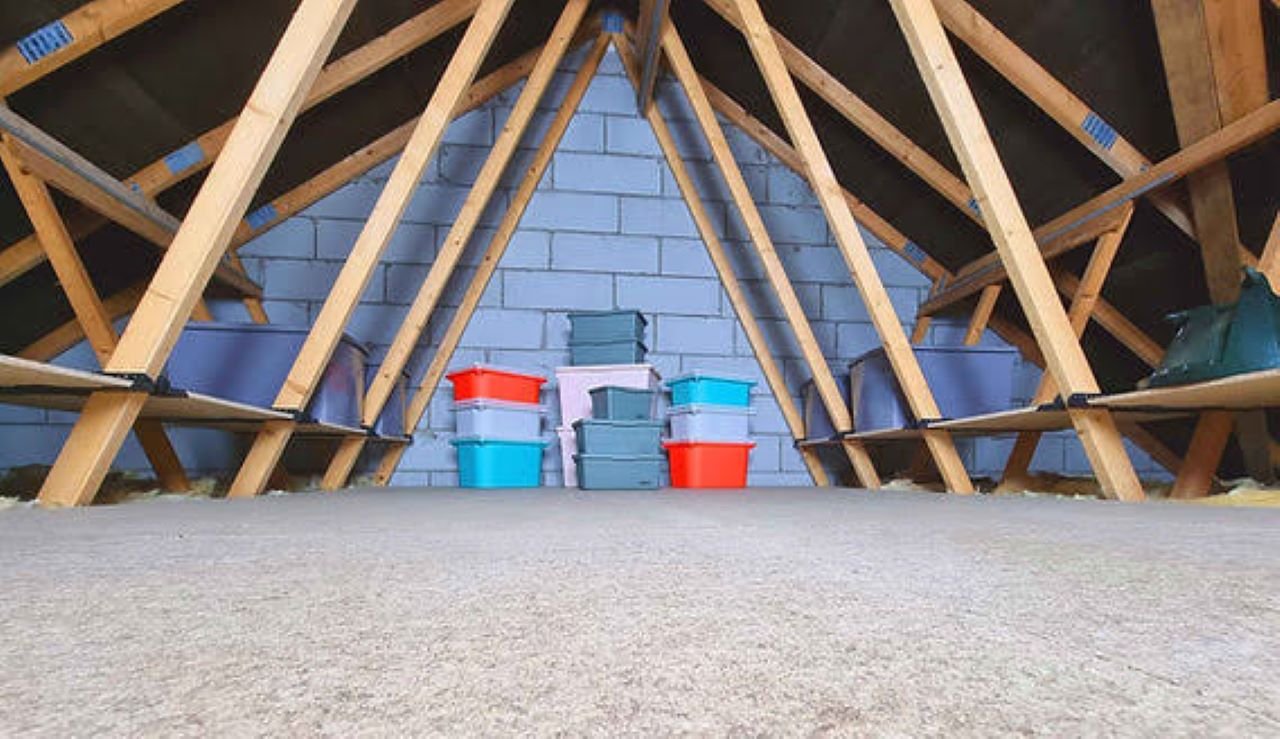
Searching for loft boarding near me is often the first step for homeowners who have run out of cupboard space or want to make better use of their property’s unused areas. A loft can provide valuable storage without affecting the living space below, making it one of the most practical areas of the home to improve.
However, loft boarding is more than simply laying boards across the floor. Modern homes are designed with insulation, ventilation, and structural requirements that need careful consideration before any work takes place. Understanding these factors helps homeowners make informed decisions and ensures the loft remains safe, functional, and energy efficient.
How Loft Boarding Works
Loft boarding involves creating a stable, accessible floor above the ceiling joists so belongings can be stored safely. In many properties, insulation sits between the joists, but current building standards often require thicker insulation than the joists themselves.
Rather than compressing this insulation, raised loft boarding systems are commonly used. These systems lift the flooring above the insulation, allowing it to retain its thermal performance while still providing a level storage surface.
This approach helps improve energy efficiency while protecting the insulation from unnecessary damage.
Understanding the Structure of Your Loft
Every loft is different. The type of roof construction, age of the property, and existing framework all influence how a loft can be boarded.
Older homes may have traditional cut roofs with open spaces that are relatively easy to access. Newer homes often feature prefabricated roof trusses, which can restrict movement and reduce the amount of available storage.
Before beginning any loft boarding project, it is important to understand:
Ceiling Joists
Most ceiling joists are designed to support the ceiling below rather than heavy storage loads. Concentrating excessive weight in one area may place unnecessary strain on the structure.
Water Tanks and Pipework
Some lofts contain water tanks, central heating components, or plumbing that requires ongoing access. Boarding should allow these systems to remain accessible for maintenance and repairs.
Electrical Installations
Lighting cables, junction boxes, and other electrical components are commonly found in loft spaces. These should remain visible and accessible where required rather than being permanently covered.
Choosing the Right Boarding Materials
Several types of loft boards are available depending on the intended use.
Chipboard remains one of the most common choices due to its affordability and ease of installation. Moisture-resistant boards may be preferable in lofts where condensation could occasionally occur.
Tongue-and-groove edges help create a stable floor by locking neighbouring boards together, reducing movement over time.
The thickness of the boards can also vary depending on the support system being installed and the anticipated storage requirements.
Common Items Stored in Boarded Lofts
A properly boarded loft is suitable for storing a wide variety of household items, including:
- Seasonal decorations
- Suitcases and travel equipment
- Archived paperwork
- Children’s toys
- Camping equipment
- Sports gear
- Clothing stored in sealed containers
- Collectables and keepsakes
Items that are particularly heavy should be distributed evenly rather than concentrated in a single location.
The Importance of Ventilation
Good ventilation remains essential after loft boarding has been installed.
Air needs to circulate beneath the roof covering to prevent moisture build-up, which can contribute to condensation, mould growth, and timber deterioration over time.
Blocking ventilation paths with insulation, stored belongings, or incorrectly installed boarding can reduce airflow and potentially create long-term maintenance issues.
Maintaining suitable ventilation is therefore an important part of any loft improvement project.
Loft Access and Safety
Improving access is often considered alongside loft boarding.
Many properties have simple loft hatches with lightweight ladders intended for occasional access. If the loft will be used regularly for storage, homeowners may choose to install more robust loft ladders or enlarge the access hatch where appropriate.
Lighting is another important consideration. Fixed LED lighting provides better visibility than portable torches, making it easier to move safely around the loft while reducing the risk of trips or falls.
Walking should always be restricted to boarded areas, as stepping directly onto plasterboard ceilings between joists can result in serious damage.
Energy Efficiency Considerations
One reason many people search for loft boarding near me is to improve storage without compromising insulation.
Compressing insulation beneath standard boards reduces its effectiveness, allowing more heat to escape through the roof. Raised boarding systems help preserve the insulation depth recommended for modern energy efficiency standards.
Maintaining effective insulation can contribute to lower heating demand during colder months while helping indoor temperatures remain more consistent throughout the year.
Planning for Future Loft Improvements
Some homeowners initially board their loft purely for storage before later considering a loft conversion.
Although boarding alone does not prepare a loft for conversion, careful planning can make future improvements more straightforward. Maintaining access to structural elements, preserving ventilation, and avoiding unnecessary alterations can simplify later design work if the loft is eventually converted into habitable accommodation.
Understanding the intended long-term use of the loft helps determine the most suitable boarding approach from the outset.
Making an Informed Decision
Whether creating additional household storage or organising unused space more effectively, loft boarding requires careful planning rather than a simple DIY approach. The structure of the loft, insulation requirements, ventilation, and safe access all influence how the space should be developed.
When researching loft boarding near me, homeowners should focus on understanding how different boarding systems interact with existing insulation and the overall roof structure. Taking these factors into account helps ensure the loft remains practical, energy efficient, and suitable for everyday storage while protecting the long-term condition of the property.



I found the content valuable and well presented.