Roof maintenance problems are issues homeowners should never ignore. Your roof is a very important element of the home. It protects your family, your possessions, and the structure of the building from rain, wind, heat and other environmental factors. Also many homeowners ignore their roof issues until we have a large scale issue. What may start out as a small issue can quickly turn into a large repair job if left alone. By being aware of the signs of roof trouble you can avoid extensive damage and save thousands in repair costs.
Roof issues typically present themselves in a mild form which then grows over time. At first you may see small leaks, loose shingles, and minor sagging which may not seem like an emergency but in fact are indicators of more serious issues. By learning what to look for in the early warning signs of roof damage home owners can act in time. Routine inspections and prompt maintenance also play a key role in extending the life of your roof which in turn protects your home’s value and safety.
Why Early Roof Problem Detection Matters
A roof is the first to protect against weather damage. If roofing problems are put off they see moisture get in which in turn affects insulation, ceilings, walls and also the home’s foundation. What was maybe a easy repair job turns into a large scale renovation which includes many areas of the property. Early detection allows home owners to take care of issues before they grow into larger more expensive problems.
Another major reason for early identification of roofing issues is energy efficiency. A damaged roof which allows air out and water in causes heating and cooling systems to work harder. This results in higher utility bills and reduced indoor comfort. Regular roof checks and prompt repair works not only protect the structure but also in the end save on home ownership costs.
1. Roof Seepage
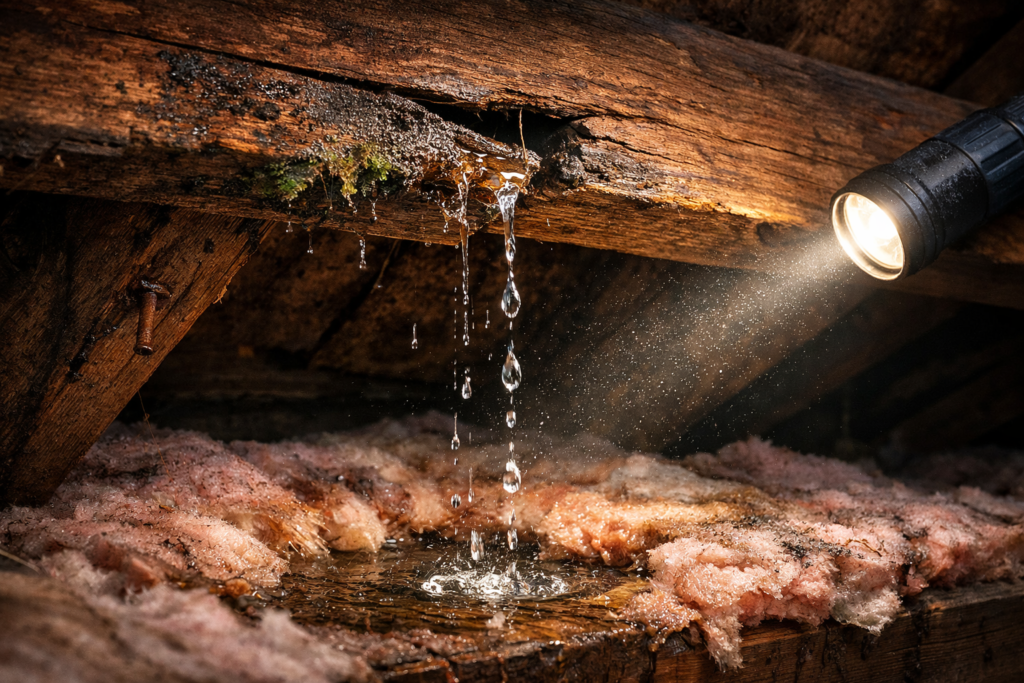
Roofing issues are the primary and very damaging problems home owners see. Even a small leak which may go on long enough will get in to the attic or interior spaces and will foster mold, rot, damage to the insulation, and also stained ceilings. Leaks also present at from the areas of the roof that include flashing, vents, chimneys, skylights and where the roof is damaged, and since water may infiltrate well before showing up inside as a problem, it isn’t always the case that the origin of the leak is right above the area affected.
Homeowners do not always see that a small leak will correct itself. Over time water damage will increase and in fact may put the structure at risk if left alone. Check the attic for signs of dampness, musty smells, or water marks which will indicate a leak before large scale damage sets in. By attending to leaks early you also protect the roof and the balance of the home from large repair bills.
2. Roofing Tiles Missing or Damaged
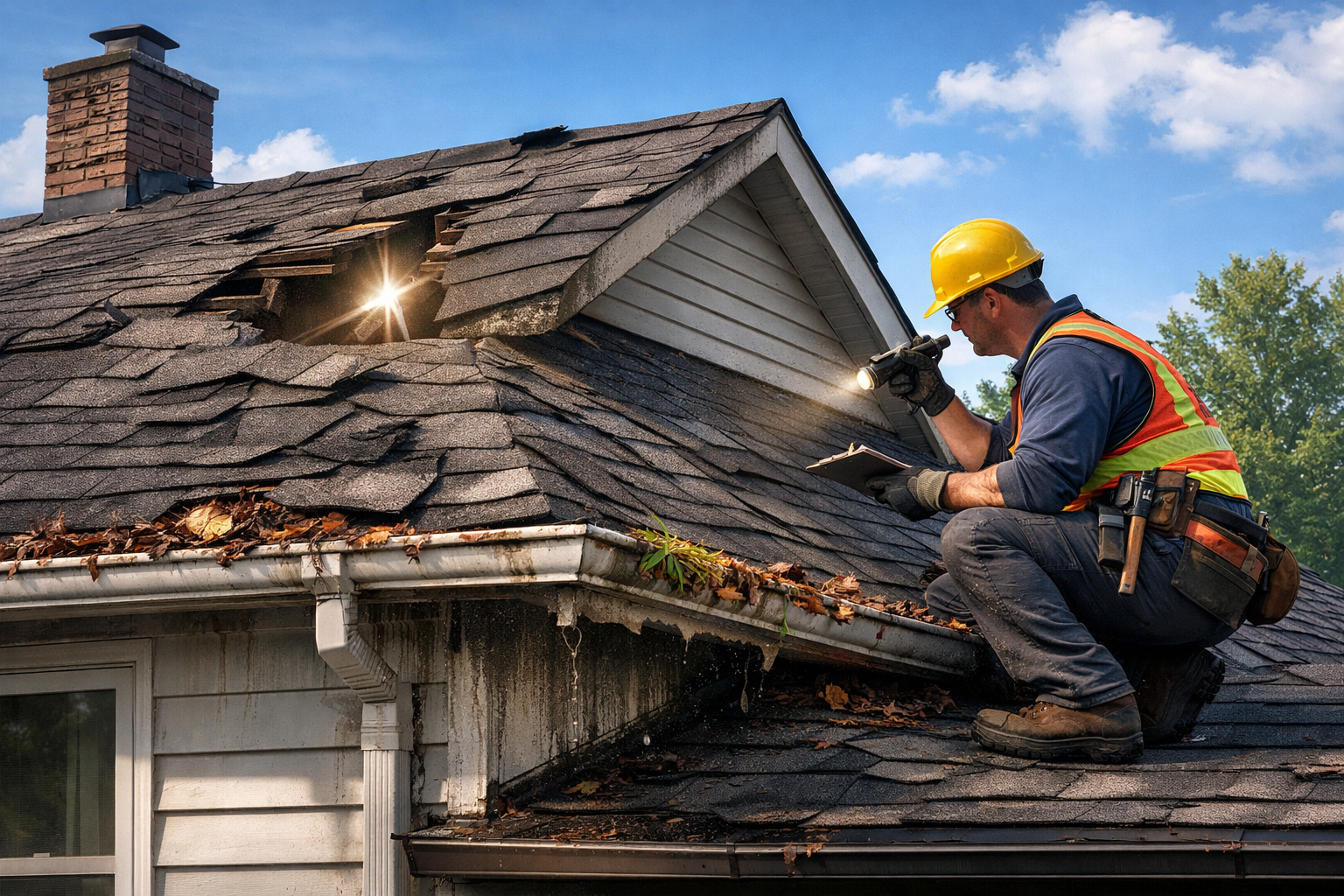
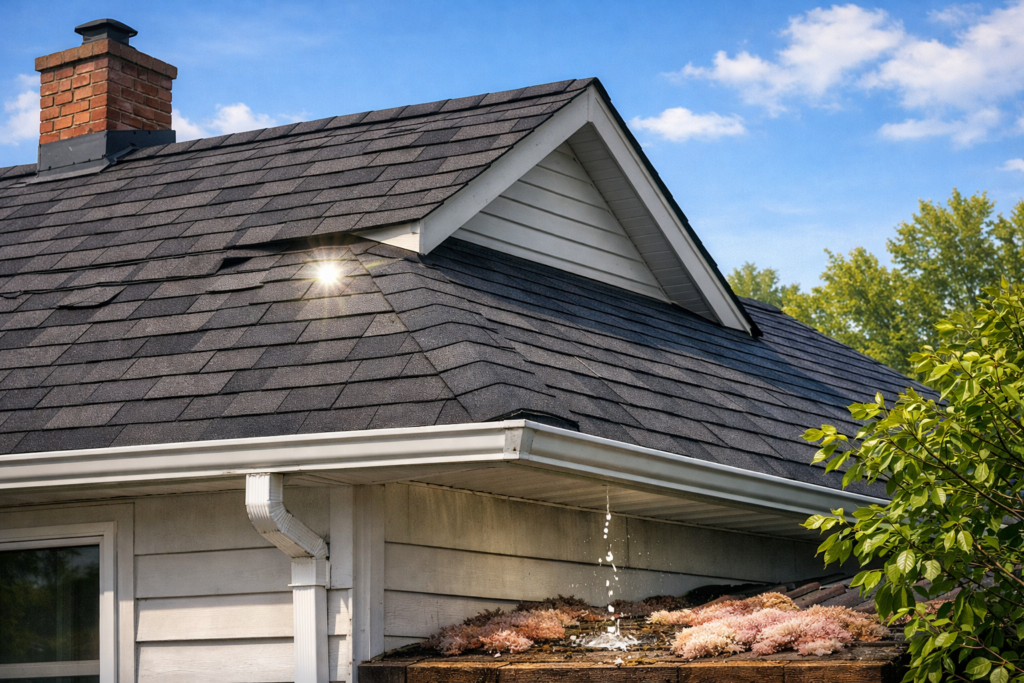
Shingles which play a key role in the protection of the roof from weather elements and moisture. As they get cracked, curled, broken, or go missing the roof’s protective layer is weakened. High winds, storms, aging of materials and prolonged sun exposure are typical causes of shingle damage. With shingles missing the base materials of the roof are left open to water penetration and which in turn causes faster deterioration.
Ignoring damaged shingles is a issue which will over time cause wide scale problems with your roof. Water will get in at the exposed areas and affect the structure of your roof which in turn will promote rot and mold. Home owners should do routine roof inspections after storms from the ground out for any visible signs of damage. Timely repair of damaged shingles will help to preserve your roof’s integrity and also will help you avoid more in depth repair work down the road.
3. Roof Sections That Have Failed
What Causes Roof Sagging?
A seriously defective roof is an issue of great importance which must be paid attention to. Structural issues with the roof deck, supports, or base frame elements are what sagging roofs point to. Also cause of roof sag is excessive moisture exposure, prolonged leaks, bad construction practices, and the weight of snow or debris. With time these issues will weaken the structure and in turn reduce the roof’s safe support.
In some instances you may notice a drop off along the roof line which is the sag, at other times it will be a very subtle issue. In either case any which is visible should be looked at by a roofer as soon as you see it. Structure issues do not usually correct themselves and in fact the longer you wait the more they will cost to fix.
Why Immediate Attention Is Necessary
A broken roof which is left unrepaired may see the structure give out over time. We see in that which is already weak a greater stress which in turn causes more damage we may even see collapse in severe cases. Timely intervention which we term early action may stabilize the structure and also will put off for some time that which may be very extensive repair work.
Professional inspectors can determine the cause of that which is allowing your home to sag and put in the best repair plan. If the issue is due to water damage, worn out materials, or insufficient support we can get to it right away which in turn protects the home’s safety and value.
4. Granules Which Have Collected in Gutters
Asphalt shingles have protective granules which shield them from UV radiation and weather damage. As they age some granule loss is to be expected. At the same time if you see large amounts of granules in gutters or downspouts that is a sign that the shingles are wearing out and may soon need to be replaced.
When granules erode off the shingles become more prone to sun and water damage which in turn causes aging to speed up and the roof’s protection of the home decreases. Home owners should do periodic gutter checks and note any large granule build up which is especially true post storm. Identifying this as an early sign will help determine what repair or roof replacement may be required.
5. Roof and Wall Leaks
In the home water stains usually point out that moisture is getting in via the roof. We see these stains as yellow, brown, or discolored spots on ceilings and walls. Some home owners only do what is cosmetic and paint over the stains which does not address the root of the issue which in turn allows damage to proceed out of sight.
Persistent moisture will deteriorate drywall, produce mold growth, and it also may damage insulation. Also note that you should get your roof checked out at first sign of water stains which will help you to identify and fix the base issue. By acting fast you can stop the interior damage in its tracks and also will help to maintain a healthy indoor environment for residents.
6. Mold, Mildew, and Algae Growth
Mosses, molds, or algae which may appear on a roof at first look like a cosmetic issue, but they in fact are a sign of too much moisture. Also moss is a big issue as it has the tendency to hold in water which in turn causes faster roof damage. Over time that water can get under shingles and also which in turn will break down the roof structure.
Mold development also is an issue for indoor air quality and health. Home owners should check attics and walls for signs of bio growth and fix drainage and ventilation which may be causing the extra moisture. Also by cleaning and maintaining affected areas you can put off large scale damage.
7. Worn Out Flashing
Flashing which is made up of thin metal pieces is installed around roof penetrations and at transitions which include chimneys, skylights, vents, and valleys. What it does is direct water away from weak points and thus prevent leaks. At times flashing may become cracked, rusted out, loose, or not properly sealed in which case water may get in to the roof system and cause hidden damage.
Because many flashing defects develop over time home owners may not see them until water intrusion issues present in the interior of the home. Regular inspections will identify issues with the flashing before the water damage becomes a large scale problem. By repairing or replacing the flashing at the first sign of trouble you can avoid extensive water damage.
8. Increasing Electric Costs
Unexpected increases in your heating and out cooling bills may be a sign of roof issues. A damaged roof can let in outside air and moisture which in turn may cause your HVAC system to work harder at what it does. Also poor insulation performance due to roof leaks will drop your energy efficiency.
Homeowners don’t always see the connection between roof condition and utility bills. If you notice that your energy bills are going up without a better understanding of why that is, it may be a good idea to check out the roof and attic for damage. By improving your roof’s performance you can also improve indoor comfort at the same time as you reduce your monthly energy costs.
9. Plugged or Affected Gutters
Gutters play a key role in getting water away from the roof and foundation. We see that clogged gutters with leaves, debris, or roofing materials which is very common may cause water to back up onto the roof thus causing moisture related issues. Also reports of fascia damage, siding decay and foundation problems may be a result of overflowing gutters.
Regular upkeep of the gutters is a simple step in protecting your roof from unnecessary damage. Home owners should clean out gutters and check for signs of sagging, leaks, or improper drainage. What you do to make sure water is flowing away from the home will in turn prevent many issues related to the roof and structure.
10. Daytime Light in the Attic
If you see sunlight coming through the attic floor that’s a sign of gaps, cracks or holes in the roof. What may seem like small issues these openings actually serve as entry ways for water, insects and outside air into the home. Over time what we think are big issues end up being the cause of great damage and energy inefficiency.
Attic checks are a great way to see issues with your roof that may not present from outside. Home owners should at times check for light coming in through the walls, moisture, and signs of break down. By which you address these problems early you preserve the roof’s protective quality and also avoid large scale repairs.
What Homeowners Can Do to Avoid Major Roof Issues
Preventative maintenance is a very effective strategy for roof care which in turn extends roof life and reduces repair costs. We recommend annual professional roof inspections which also play a preventive role in identifying issues that have the potential to grow into bigger problems. Also, we put it out there that which in turn has a better outcome if you increase the frequency of your inspections in the wake of the large storms especially in those areas which are prone to serious weather events.
Home owners should also do regular gutter maintenance, trim back overhanging tree branches, check attics’ conditions, and attend to small repair issues as they come up. With a consistent maintenance routine you improve the roof’s performance and at the same time protect the home’s value and structure. Also a proactive approach is to greatly reduce the chance of unexpected roofing emergencies.
Conclusion
Roof issues do not correct themselves. We see in small things like missing shingles, small leaks, and damaged flashing the first signs of more serious problems to come which may be found within the structure itself. Disregarding these signs may cause for structural damage, higher energy bills, mold growth, and very large repair bills which in the long run may have been prevented by early intervention.
Through awareness of which roof issues are most common and acting at the first sign of trouble, home owners may protect their investment and extend the life of their roofs. We put forward that regular inspections, preventive maintenance, and professional assessments are the best methods for early issue detection and in turn, optimal long term performance of the roof.