You might have caught a glimpse of your smile in a photo or bathroom mirror and felt that little jolt of annoyance. The dark fillings you got years ago are suddenly all you can see. Maybe they were placed when you were younger by a dentist in North Richland Hills, TX, or during a busy season when you just needed the tooth fixed and did not have the energy to think about how it would look.
Now life is different. You care more about how your teeth look in person and in pictures. You might be wondering if those old fillings are still healthy. You might also feel a bit guilty or “vain” for wanting a more natural smile. That mix of concern and self-judgment is very common.
Here is the simple truth. Wanting your teeth to look like teeth is not vanity. It is about comfort, confidence, and long term oral health. If you are looking at your old fillings and thinking “Is it time to change these,” you are already asking the right question. This guide walks through four clear indicators that you are ready to update older fillings for a more natural look, what that actually involves, and how to think through the pros and cons with a trusted family and cosmetic dentist.
Are your old fillings starting to look darker, larger, or more obvious?
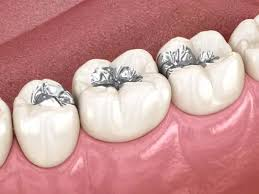
One of the first signs people notice is visual. Older silver colored amalgam fillings can darken the tooth around them. Even tooth colored fillings may stain or lose their shine over time. You might notice a gray shadow near the gumline, a dark “patch” when you laugh, or a filling that seems bigger than you remember.
This change in appearance can be frustrating. You may find yourself smiling with your lips closed in photos or avoiding certain angles in video calls. You might even feel a little embarrassed at the dentist, as if you are responsible for how the fillings have aged. You are not. Materials age. Biting forces, staining foods, and simple time all play a role.
If you are not sure what your fillings are made of, it can help to know that the American Dental Association explains the common materials used for direct fillings, including composite resins and amalgam, along with how they behave in the mouth. You can read more about these options in the ADA’s overview of materials for direct restorations.
So where does that leave you? If the look of those fillings is starting to affect how you feel about smiling, that is the first indicator that a refresh might be worth discussing.
Do you feel sensitivity, roughness, or food catching around old fillings?
Cosmetic concerns are important, but function and comfort matter just as much. Another indicator that it may be time to replace older fillings is how they feel.
You might notice a few things.
There is a small “zing” with cold drinks in a tooth that has a big old filling. Food gets trapped around the edge of a filling and you need floss every time you eat. Your tongue keeps going back to a rough or chipped edge. None of these automatically mean there is a problem, but they are early warning signs that the filling or the tooth around it might be changing.
As fillings age they can wear down or pull slightly away from the tooth. Tiny gaps can allow bacteria and stain to sneak under the margin. Sometimes this leads to new decay. Other times it just creates discomfort and extra cleaning work. Left alone for too long, a failing filling can lead to a cracked tooth or a larger cavity that needs a crown instead of a simple replacement.
This is where a conversation with a family and cosmetic dentist becomes important. The goal is not to replace every filling just because it is old. The goal is to identify which ones are no longer serving you, either in comfort or appearance, and address those before they turn into bigger problems.
Are you worried about metal fillings and wondering about safer, more natural options?
Many people with older metal amalgam fillings feel uneasy about them. You may have read conflicting information online about mercury in amalgam and feel stuck between fear and confusion.
It helps to know that the American Dental Association has clear information about dental amalgam, including its safety record and when it is recommended. Amalgam has been used for decades and is still considered a safe and durable material for many patients.
At the same time, you may simply prefer a more natural looking, tooth colored material. Modern composite resin fillings are designed to blend in with your enamel so that your restored tooth looks very similar to a natural tooth. The Ohio State University has a helpful comparison of amalgam versus composite fillings that explains how they differ in appearance, durability, and cost.
If you find yourself thinking “I just do not want to see metal when I smile anymore,” that is a valid indicator. A natural looking filling replacement is often as much about peace of mind as it is about looks.
Has your overall smile changed, and do those fillings no longer match who you are?
There is another, quieter indicator that you are ready to refresh old fillings. Your life has moved forward. Maybe you changed jobs and now talk to clients all day. Maybe you are dating again. Maybe you have invested in whitening or orthodontic treatment and your teeth look brighter and straighter, but those dark or dull fillings stand out even more.
You might feel a gap between how you see yourself and what you see in the mirror. Your fillings are not causing pain. They are not broken. They simply do not match the person you are now. That emotional mismatch is easy to dismiss as “not a real problem,” yet it can slowly erode confidence.
When you notice that tension, it is worth paying attention. A skilled cosmetic dentistry treatment plan does not have to be dramatic. Sometimes replacing a few key fillings in the most visible areas makes a meaningful difference in how open and relaxed your smile feels.
How do old and new filling options compare in look, feel, and cost?
Once you recognize these indicators, the next question is practical. What actually changes when you refresh old fillings. Here is a simple comparison to help you think through the tradeoffs.
| Factor | Older Metal Amalgam Fillings | Modern Tooth Colored Composite Fillings |
| Appearance | Dark silver color, can discolor surrounding tooth, visible when you smile or laugh | Blends with natural tooth shade, more discreet, supports a natural looking smile |
| Tooth Preservation | Requires more tooth to be removed to “lock” filling in place | Bonded to tooth, often allows more natural tooth structure to remain |
| Durability | Very strong for back teeth, long track record of use | Strong and improving, especially for small to medium cavities |
| Sensitivity & Comfort | Metal can conduct heat and cold, may cause sensitivity in some people | Insulates the tooth more, can feel more “natural” in temperature |
| Cost | Often slightly lower initial cost, varies by insurance | Sometimes higher initial cost, but can be similar depending on coverage |
| Main Reason People Change | Old filling is failing or tooth has new decay | Desire for natural look, better match with surrounding teeth, comfort |
This comparison is a starting point. The right choice depends on where the tooth is in your mouth, how you bite, your medical history, and your budget. A trusted family and cosmetic dentist will walk through these factors with you, not pressure you into one material or another.
What can you do right now if you think it might be time to refresh fillings?
If you are seeing yourself in these indicators, you do not have to make every decision at once. You can take this in small, thoughtful steps.
1. Schedule a “smile and filling” check, not just a quick cleaning
When you call your dentist, mention that you want a focused look at older fillings and how they affect your smile. This signals that you need a bit more conversation. Ask your dentist to show you close up photos or X rays of your existing fillings. Seeing what they see can make choices feel less mysterious and more collaborative.
2. Prioritize the fillings that matter most to you
You do not have to replace every old filling at once. Start with the ones that bother you the most, either visually or in comfort. Maybe that is a dark filling near the front when you laugh, or a back tooth that feels sensitive and rough. A step by step plan spreads out cost and treatment time, and it also gives you a chance to see how you like the look and feel of new materials.
3. Ask clear questions about materials, cost, and long term care
Before you agree to replace a filling, ask what material is recommended and why. Ask how long it typically lasts, what it will cost with your insurance, and what you can do at home to help it last. The more you understand, the more confident you will feel. If you have concerns about metal fillings or any health conditions, share them openly so your dentist can factor that into your plan.
Moving toward a smile that feels more like you
Old fillings tell a story. They show that at some point, you took care of a problem. Wanting to refresh them now is simply the next chapter of that same care. When your fillings are healthy, comfortable, and natural looking, you are not just fixing teeth. You are making it easier to smile without hesitation, to speak without worrying what others see, and to feel that your teeth match who you are today.
You do not need to have all the answers right now. Start with a conversation, a question, or a single filling that no longer feels right. Step by step, you and your dentist can create a plan that respects your health, your budget, and your desire for a more natural smile.