A DAC hifi is an important component for anyone who wants to improve the quality of digital music playback. As more people listen to music through streaming services, computers, smartphones, and digital players, the need for accurate digital-to-analog conversion has become increasingly important.
Digital audio files contain information in a digital format, but speakers and amplifiers work with analog signals. A DAC, which stands for Digital to Analog Converter, transforms digital data into an analog audio signal that can be played through an audio system. A high quality converter helps preserve details, improve clarity, and create a more natural listening experience.
For music enthusiasts, adding a dedicated DAC can make a noticeable difference in the way their favorite tracks sound.
What Does a DAC Do
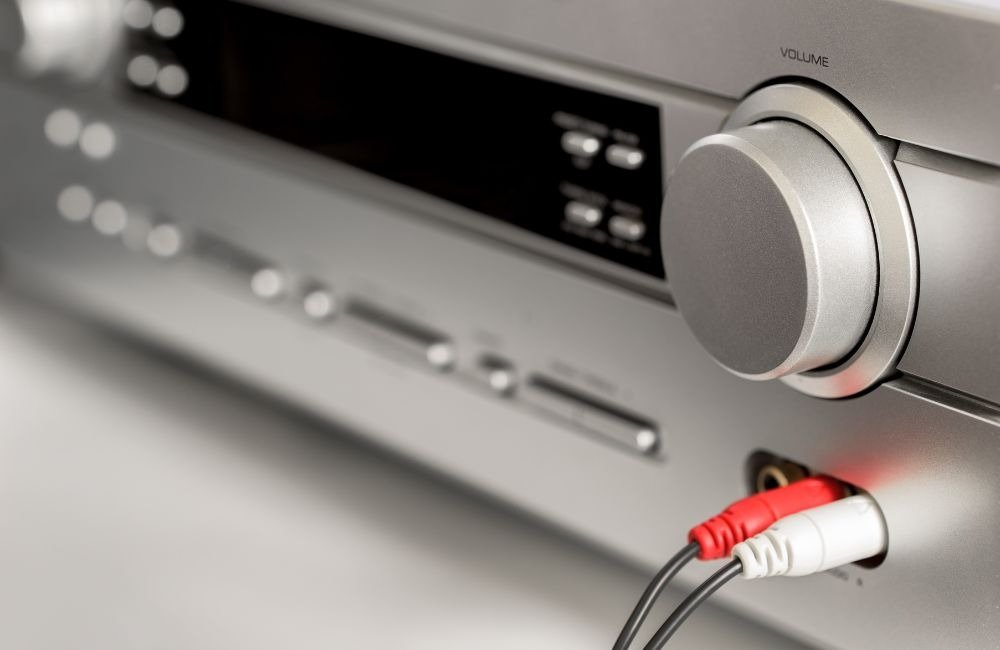
The main purpose of a DAC is to convert digital audio signals into analog signals. Every digital music source needs this process before the sound reaches speakers or headphones.
Many devices already include built in converters. Smartphones, televisions, computers, and streaming devices usually have internal DACs. However, the quality of these built in solutions can vary.
A dedicated audio converter is designed with better components and improved processing technology. This allows it to deliver cleaner sound with less unwanted interference.
A good DAC helps maintain the original recording quality by accurately processing the audio signal before it reaches the amplifier and speakers.
Why Audio Quality Depends on Digital Conversion
The quality of digital conversion has a direct impact on the final listening experience. A poor conversion process may introduce noise, reduce detail, or make music sound less natural.
A well designed converter focuses on accuracy. It helps reproduce the original recording with better balance and definition.
Listeners may notice improvements such as:
Clearer vocals
More controlled bass
Better instrument separation
Improved sound depth
A wider audio presentation
These improvements are especially noticeable when using high quality speakers, headphones, or amplifiers.
The Importance of a Good Audio Source
A complete audio system depends on several connected parts. The source, converter, amplifier, and speakers all influence the final sound.
A high quality source provides better information for the converter to process. Streaming services, digital files, computers, and dedicated players can all benefit from a better conversion stage.
Even an excellent amplifier and speaker system may not reach its full potential if the digital signal is poorly processed.
This is why many audio enthusiasts consider the converter an essential part of a complete hifi setup.
DAC Hifi for Music Streaming
Streaming has changed the way people enjoy music. Millions of listeners now use online platforms instead of traditional physical formats.
While streaming provides convenience, the quality of playback still depends on the equipment used. A dedicated converter can help improve the experience by processing the digital signal more accurately.
When connected to a streaming device or computer, it can provide cleaner audio before the signal reaches the amplifier.
For people who enjoy discovering new music and listening regularly, improving the digital audio path can create a more enjoyable experience.
Digital Inputs and Connectivity Options
Modern converters come with different connection options to support various devices.
Common digital inputs include USB, optical, and coaxial connections. These allow users to connect computers, televisions, media players, and other digital sources.
USB connections are especially popular because many people use computers as their main music source.
Optical connections are often used with televisions and other entertainment devices.
Coaxial connections are another option for digital audio equipment.
The right choice depends on the devices being used and the design of the audio system.
Matching a DAC With Other Equipment
A converter works best when it is matched with the rest of the audio system.
The amplifier plays an important role because it receives the converted signal and sends power to the speakers. High quality speakers can reveal more details from a cleaner audio signal.
The entire system should work together. A balanced setup usually provides better results than focusing on only one component.
Room conditions also affect sound. Speaker placement, room size, and acoustics can influence how the final audio experience feels.
Benefits for Audiophiles
For people who are passionate about sound quality, a dedicated converter offers several advantages.
It provides greater control over the digital audio chain and allows listeners to improve an existing system without replacing everything.
Instead of purchasing completely new speakers or amplifiers, upgrading the conversion stage can be a practical improvement.
Audiophiles often appreciate the extra detail and realism that a quality converter can bring to familiar recordings.
A well recorded song may reveal new elements that were previously difficult to hear.
Choosing the Right DAC Hifi Setup
Selecting the right converter depends on personal needs and the equipment already available.
One important consideration is compatibility. The device should support the audio sources and connections you plan to use.
Another factor is the quality level of the rest of the system. A basic setup may not show large differences between different converters, while a higher quality system may reveal more improvements.
The goal is not simply to buy the most expensive equipment. The best choice is the one that creates a balanced and enjoyable listening experience.
Improving a Home Audio System
Many people upgrade their audio systems step by step. A converter can be an effective upgrade because it improves the connection between digital sources and the rest of the setup.
A better digital signal can help amplifiers and speakers perform more effectively.
Whether you listen to music casually or spend time analyzing recordings, improving the signal path can make your system feel more complete.
The Future of Digital Audio
Digital audio technology continues to develop. New devices offer improved processing, better compatibility, and more convenient features.
As music continues moving toward digital formats, the importance of accurate conversion remains strong.
Future audio systems will likely continue combining advanced digital technology with traditional high fidelity sound principles.
The main objective will always be the same: creating a realistic and enjoyable listening experience.
Conclusion
A DAC hifi plays a key role in modern audio systems by converting digital signals into high quality analog sound. It helps connect today’s digital music sources with powerful amplifiers and speakers.
For listeners who want more detail, clarity, and realism from their music, improving the digital conversion stage can be a valuable upgrade.
By choosing the right equipment and creating a balanced setup, anyone can enjoy a richer and more immersive audio experience.