Wall art holds a remarkable power to transform any room from ordinary to extraordinary. A single well-chosen piece can shift the entire mood of a space, anchor a design scheme, or spark conversation among guests. Yet for art collectors and homeowners alike, selecting the right wall artwork presents a genuine challenge. How do you find pieces that feel both unique and high-quality while complementing your existing decor? The sheer volume of options—from original paintings to canvas art and beyond—can make the process feel overwhelming rather than enjoyable.
This guide is designed to simplify that journey. Whether you’re curating your first collection or adding to an established one, we’ll walk through everything you need to consider when choosing wall artwork for your home. From assessing your space and understanding different art forms to evaluating craftsmanship and sourcing diverse pieces, you’ll gain practical insights that lead to confident, inspired decisions. The right artwork doesn’t just decorate a wall—it elevates your entire living experience.
Assessing Your Space and Personal Style
Before browsing galleries or scrolling through online collections, take time to study the room where your artwork will live. The physical characteristics of your space—ceiling height, natural light sources, wall color, and existing furniture—all influence which pieces will thrive there. A sun-drenched living room with warm neutral tones calls for different artwork than a dimly lit hallway with cool gray walls. Pay attention to how light shifts throughout the day, as this affects how colors and textures in art appear at different hours. Beyond the physical environment, consider your personal aesthetic. Are you drawn to bold abstract compositions, serene landscapes, or figurative work with emotional depth? The wall art you choose should feel like a natural extension of your taste rather than a disconnected decorative afterthought. When your artwork resonates with both the room’s character and your own sensibility, it creates a cohesive atmosphere that feels intentional and inviting.

Measuring Wall Dimensions and Layout
Start by measuring the available wall space, accounting for furniture beneath it. A general guideline suggests artwork should occupy roughly two-thirds to three-quarters of the width of the furniture it hangs above—a sofa, console table, or bed frame. For empty walls, consider whether a single large statement piece or a curated grouping serves the proportions best. Ceiling height matters too; tall walls can accommodate vertical pieces or stacked arrangements, while rooms with standard ceilings benefit from horizontally oriented works that don’t overwhelm the space. Always mark potential hanging points with painter’s tape before committing to placement.

Aligning Art with Your Decor Theme
Your home’s existing design language should inform your art choices without dictating them entirely. A minimalist modern space pairs naturally with clean-lined abstract work or monochromatic photography, while a traditionally furnished room might welcome classical still lifes or richly textured oil paintings. That said, thoughtful contrast can be powerful—a contemporary canvas in a vintage-styled room creates dynamic tension that keeps the eye engaged. The key is ensuring your wall artwork shares at least one visual thread with its surroundings, whether that’s a repeated color, complementary texture, or matching emotional tone.
Exploring Different Types of Wall Art
The world of wall artwork encompasses far more than framed prints from department stores. Understanding the distinct characteristics of different art forms helps you make choices that align with both your aesthetic vision and practical needs. Each medium brings its own texture, presence, and emotional weight to a room, and the best collections often blend several types to create visual richness. Whether you gravitate toward the irreplaceable authenticity of original paintings or the accessible versatility of canvas art, knowing what each form offers allows you to build a home environment that feels layered, intentional, and deeply personal.
The Appeal of Original Paintings
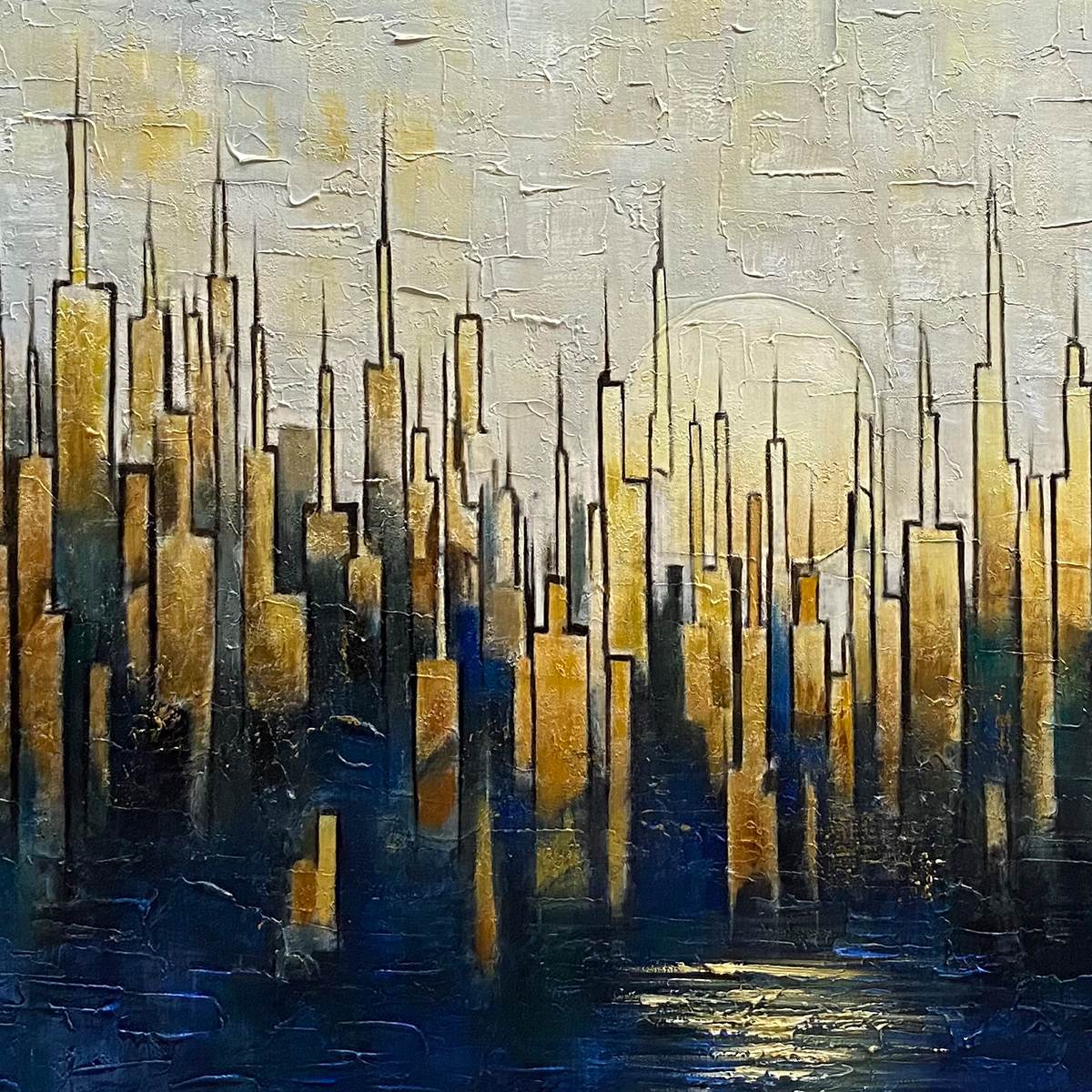
Original paintings carry an energy that reproductions simply cannot replicate. Each brushstroke reflects a specific moment of creative decision-making, giving the work a physical texture and presence that engages viewers up close. Owning an original means possessing something truly one-of-a-kind—no other collector has the exact same piece on their wall. Beyond aesthetics, original artwork creates a direct connection between you and the artist whose vision resonated with yours. There’s also a practical dimension worth considering: original paintings from emerging and established artists often appreciate in value over time, making them both an emotional and financial investment. For home decor purposes, originals bring an unmistakable sense of authenticity and sophistication that elevates any room they inhabit.

Versatility of Canvas Art
Canvas art offers remarkable flexibility for collectors at every level. The material itself is durable and lightweight, making it easy to hang and reposition as your decor evolves. Canvas works range from hand-painted originals to high-quality giclée reproductions that capture extraordinary detail and color accuracy. This medium suits virtually any interior style—a bold abstract canvas energizes a contemporary loft, while a soft impressionist landscape on canvas warms a traditional living room. The stretched canvas format also eliminates the need for glass framing, reducing glare and creating a more immersive viewing experience that draws you into the artwork itself.
Other Art Forms to Consider
Don’t overlook alternative forms that add dimension to your walls. Limited-edition prints offer access to renowned artists’ work at more accessible entry points. Mixed media pieces—combining paint, fabric, metal, or found objects—introduce tactile variety that flat works cannot achieve. Wall-mounted sculptures and three-dimensional art create dramatic shadow play as lighting shifts throughout the day. Photography, whether black-and-white documentary or vivid fine art compositions, brings a different kind of narrative power to your space. Combining multiple art forms across a room or throughout your home prevents visual monotony and reflects the full breadth of your creative interests.
Evaluating Quality and Uniqueness in Artwork
For serious collectors and discerning homeowners, quality and uniqueness are non-negotiable. Mass-produced wall decor may fill space, but it rarely inspires or holds lasting appeal. Developing an eye for craftsmanship and originality ensures every piece you bring home contributes genuine value—both aesthetic and cultural—to your collection. Quality artwork withstands the test of time physically and visually, maintaining its impact for decades rather than fading into the background after a few months. Uniqueness, meanwhile, guarantees that your space tells a story no one else can replicate. Together, these qualities distinguish a thoughtfully curated home from one that merely follows trends.
Key Indicators of High-Quality Art
Assessing quality requires attention to materials and execution. In paintings, look for artist-grade pigments rather than student-grade alternatives—professional pigments resist fading and maintain color vibrancy for generations. The substrate matters equally; archival-quality canvas or heavyweight cotton rag paper signals that the artist invested in longevity. Examine brushwork or mark-making up close: skilled artists demonstrate control and intentionality, whether their style is precise or gestural. For framed works, acid-free matting and UV-protective glazing prevent deterioration from environmental exposure. Canvas pieces should be stretched on kiln-dried wooden bars that resist warping in varying humidity. Don’t hesitate to ask sellers about materials used—reputable artists and galleries provide this information readily, and transparency about construction is itself a quality indicator.
Ensuring Uniqueness for Your Collection
Avoiding generic wall decor starts with knowing what to look for. Original paintings are inherently unique, but even within the print market, limited editions numbered and signed by the artist carry far more collectible value than open-edition reproductions. Request certificates of authenticity when purchasing original work or limited runs. Commissioning custom pieces directly from artists guarantees exclusivity tailored to your specific vision and space. Explore emerging artists whose work hasn’t yet saturated the market—their pieces offer fresh perspectives at accessible levels while remaining genuinely rare. Be wary of artwork sold through mass-retail channels without artist attribution, as these pieces typically lack the creative integrity and individuality that make wall art meaningful over time.
Step-by-Step Guide to Choosing Wall Artwork
Having a structured approach removes the guesswork from selecting wall artwork and transforms what can feel like an intimidating process into an enjoyable creative exercise. Rather than impulse-buying pieces that end up stored in closets, following a deliberate sequence of steps ensures every acquisition enhances your home decor with purpose and confidence. This process works whether you’re selecting a single statement piece for a focal wall or building an entire collection across multiple rooms.
Step 1: Define Your Budget and Preferences
Begin by establishing a realistic budget range before you start looking. Without financial boundaries, it’s easy to fall in love with pieces that strain your resources or, conversely, to underinvest in artwork that won’t satisfy you long-term. Consider allocating different budget tiers—perhaps more for a living room centerpiece and less for secondary spaces like hallways or guest rooms. Simultaneously, revisit your room analysis and clarify your preferences in writing. Note the colors you want to echo or introduce, the mood you’re seeking (energizing, calming, thought-provoking), and whether you prefer abstract, representational, or somewhere between. This written brief becomes your filter for every piece you encounter moving forward, preventing decision fatigue and keeping your search focused.
Step 2: Research and Shortlist Art Pieces
With your criteria defined, begin exploring options through multiple channels. Browse online galleries specializing in original paintings and canvas art, saving pieces that catch your eye to a dedicated folder or wishlist. Visit local exhibitions and art fairs where you can experience work in person and discover artists whose online presence may be minimal. Follow artists on social media to understand their creative evolution and upcoming releases. As you research, build a shortlist of five to ten pieces that meet your budget, stylistic preferences, and quality standards. Compare them side by side, noting which ones you return to repeatedly—that magnetic pull often signals a genuine connection rather than passing attraction.
Step 3: Visualize Placement with Tools or Mockups
Never purchase wall artwork without first testing how it will interact with your actual space. Many online platforms offer augmented reality tools that project artwork onto your walls through your phone’s camera, giving you a sense of scale and color relationship in real time. For a lower-tech approach, print the artwork’s image at approximate scale and tape it to the wall for a few days, observing it under different lighting conditions and from various angles within the room. Pay attention to how the piece relates to adjacent furniture, doorways, and other decor elements. Living with a mockup—even briefly—reveals whether the artwork energizes or overwhelms the space, and whether your enthusiasm sustains beyond the initial excitement.
Step 4: Make the Final Decision and Purchase
Before completing your purchase, verify a few critical details. For original paintings, request provenance documentation or a certificate of authenticity signed by the artist. Review the seller’s return policy carefully—reputable galleries and platforms typically offer a trial period acknowledging that artwork can look different in your home than it did online or in a showroom. Confirm shipping methods include appropriate protective packaging, especially for canvas art and framed works vulnerable to transit damage. Finally, plan your installation in advance: identify stud locations or appropriate wall anchors for the piece’s weight, gather necessary hardware, and consider hiring a professional installer for oversized or particularly valuable works. A thoughtful installation protects both your walls and your investment while ensuring the artwork hangs exactly where it will make its greatest impact.
Where to Find Diverse Wall Artwork
Access to a wide range of original artwork has never been greater, yet knowing where to look makes all the difference between settling for generic pieces and discovering wall art that genuinely speaks to you. The best collections are built through multiple sourcing channels, each offering distinct advantages for art collectors seeking quality, originality, and variety. Combining digital exploration with in-person experiences gives you the broadest possible perspective on what’s available and helps you uncover artists and styles you might never encounter through a single channel alone.
Online Galleries and Marketplaces
Digital platforms have revolutionized how collectors discover and acquire wall artwork. Dedicated online galleries like MontCarta curate selections of original paintings and canvas art from artists worldwide, often organizing work by style, medium, color palette, or room type to streamline your search. These platforms frequently provide detailed information about each artist’s background, technique, and materials—transparency that supports informed purchasing decisions. Many offer virtual viewing rooms or augmented reality features that let you preview pieces in your space before buying. Look for sites that vet their artists and guarantee authenticity, as this protects you from low-quality reproductions disguised as originals. The global reach of online marketplaces means you can access emerging talent from different cultural traditions, bringing genuinely diverse perspectives into your home decor.
Local Art Galleries and Exhibitions
Physical galleries remain invaluable for serious collectors. Nothing replaces standing before a painting and experiencing its scale, texture, and color in person—details that screens inevitably flatten. Local galleries allow you to build relationships with gallerists who learn your taste over time and alert you to new acquisitions matching your preferences. Art fairs, open studio events, and community exhibitions introduce you to regional artists whose work carries a sense of place and cultural specificity that mass-market pieces lack. Supporting local artists also strengthens your community’s creative ecosystem while giving you direct access to commission custom wall artwork tailored precisely to your vision and space.
Let Your Walls Tell Your Story
Choosing the perfect wall artwork is a deliberate process that rewards patience and intentionality. By first assessing your space—its dimensions, lighting, and design language—you establish a foundation for selections that feel harmonious rather than haphazard. Understanding the distinct qualities of original paintings, canvas art, and alternative media empowers you to build a collection with genuine depth and variety. Evaluating craftsmanship through material quality, pigment longevity, and authenticity documentation ensures every piece you acquire maintains its beauty and value for years to come.
The step-by-step approach—from defining budgets and preferences through research, visualization, and final purchase—transforms an overwhelming task into a manageable creative journey. Sourcing artwork through both online galleries and local exhibitions broadens your access to diverse, high-quality pieces that mass-market retailers simply cannot offer. Ultimately, the wall artwork you choose should do more than fill empty space. It should reflect your identity, elevate your home decor, and bring lasting satisfaction every time you walk into the room. Apply these insights with confidence, and let your walls tell a story that is unmistakably yours.