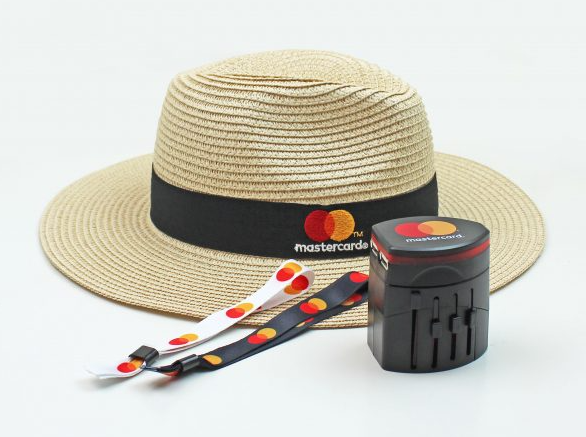
Here is something most exhibitors never figure out until it is too late — the giveaway table does not exist to make visitors happy. It exists to make them remember. There is a significant difference between the two. A visitor who walks away smiling has had a pleasant interaction. A visitor who uses a branded item three weeks later and suddenly recalls your company name is the one who might actually call. Promotional items for trade shows only earn their place when they are chosen with that distinction in mind.
The Bin Test Nobody Talks About
Every item handed out at a trade show eventually faces a moment of reckoning — usually at the hotel room or at the bottom of a bag on the commute home. That is when a visitor quietly decides whether something comes with them or gets left behind. Most giveaways fail this test not because they are cheap, but because they solve no actual problem in that person’s life. The brands that win are the ones thinking about what their specific audience carries, uses, or silently wishes they had — not what looks impressive stacked on a table.
Audience Mismatch Is Quietly Killing ROI
Handing out general merchandise at a specialist trade show is one of the most common and costly errors in event marketing. A healthcare professional at a medical exhibition has different daily habits than a software developer at a tech expo. The same branded tote bag means something entirely different to each of them. Promotional items for trade shows that reflect a genuine understanding of who is attending — their profession, their daily friction points, their environment — get kept. Items that could have been handed out at any event, by any brand, in any industry, tend not to survive the journey home.
Why Useful Beats Impressive Every Time
There is a temptation to go bold — large, eye-catching, conversation-starting items that draw a crowd. And they do draw a crowd. But crowds are not leads. The item that gets used repeatedly in the weeks after an event is almost never the flashiest thing on the stand. It is the thing that quietly solved a small daily irritation. A well-weighted pen that actually writes smoothly. A compact item that fits in a jacket pocket without creating a bulge. These things earn daily visibility in a way that a branded stress toy simply cannot compete with.
The Hidden Power of Scarcity
Most stands make the mistake of displaying everything they have upfront, creating a self-service atmosphere that strips all perceived value from the items on offer. When something feels freely available to everyone, it stops feeling special to anyone. Brands that keep better items behind the counter — offered only after a brief conversation — change the dynamic entirely. Suddenly the item becomes a reward rather than a handout. That shift in perception changes how the visitor relates to both the item and the brand attached to it. Promotional items for trade shows used with a degree of intentional scarcity tend to generate far more genuine engagement than tables piled high with identical giveaways.
Timing the Handout Changes Everything
Most brands hand things out at the start of a conversation, essentially using the item as bait. This gets people to stop, but it also means the item leaves before any real exchange has happened. Handing something over at the end of a genuine conversation — after something meaningful has been discussed — changes what that item represents. It becomes a physical reminder of a specific interaction rather than just another piece of branded merchandise. Visitors who receive something after a real conversation are far more likely to associate that item with the substance of what was discussed, which is exactly the kind of recall that leads to follow-up contact.
Conclusion
Promotional items for trade shows become powerful when they are treated as strategic tools rather than obligatory giveaways. The difference between an item that earns attention for years and one that gets abandoned on a train seat comes down to how well the choice reflects the audience, the timing of the handout, and the perceived value attached to receiving it. None of that requires a bigger budget. It requires better thinking before the boxes even get packed.