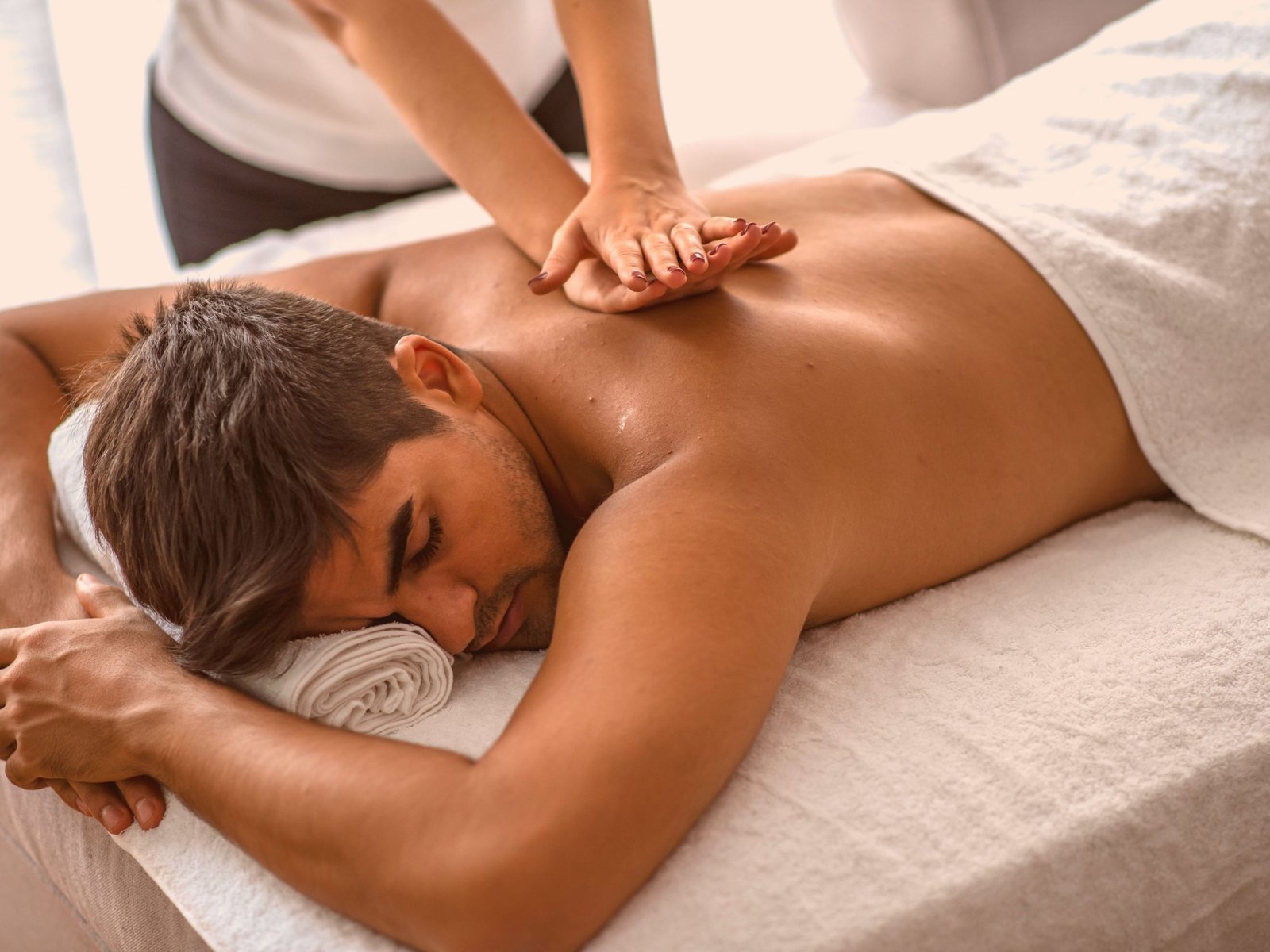
Tuina Chinese medical massage, often presented as tui na or tuina massage, is a therapeutic branch of traditional Chinese medicine (TCM) that has found increasing acceptance in Dubai as a viable alternative medicine and complementary treatment option for musculoskeletal complaints such as back pain and neck pain. This article provides a comprehensive exploration of tuina as a form of massage rooted in traditional Chinese medical theory, explains the core meridian principles and manipulation techniques, compares tuina with other types of massage and therapeutic approaches, and outlines practical considerations for patients seeking tuina treatments at a Chinese medical centre in Dubai.
If you are looking for more information about Tuina Chinese Medical Massage in Dubai – TongRenTang go here right away
What is tuina (tui na) massage and how does it fit into traditional Chinese medical and TCM practice?
Tuina is a therapeutic massage modality that originates from the branch of traditional Chinese medicine and integrates the same diagnostic framework used in acupuncture and herbal therapy, including the assessment of the flow of qi, patterns of disharmony, and meridian theory. As a traditional chinese medical method, tui na employs manipulation techniques and acupressure to restore balance to qi and to address underlying pattern differentiation rather than merely producing symptomatic relaxation. In a chinese medical centre, tuina is delivered by practitioners trained in TCM who use palpation, observation, inquiry, and pulse diagnosis—tools common to all branches of traditional chinese medical practice—to construct a treatment plan that may include tuina massage, acupuncture, cupping, and herbal recommendations. Thus, tuina fits within TCM as a hands-on therapeutic intervention designed to correct meridian blockages, improve blood circulation, and support the body’s self-regulatory mechanisms as part of an integrated treatment strategy rather than as an isolated relaxing massage.
How does tuina differ from other types of massage and acupressure in TCM?
Tuina differs from Swedish massage, deep tissue massage, and generic acupressure in several fundamental ways: first, its guiding principles are based on meridian theory and the flow of qi, and not exclusively on western anatomical models; second, tuina incorporates both soft tissue manipulation and specific acupoint stimulation intended to influence organ systems and energetic pathways; third, the techniques used in tui na include a repertoire of manipulation techniques such as rolling, kneading, pressing, friction, and joint mobilization that are applied with TCM intent to disperse stagnation, tonify deficiency, or harmonize imbalances. While Swedish massage and many forms of deep tissue massage emphasize muscle relaxation, circulation, and myofascial release primarily for relaxation or sports recovery, tuina functions as a therapeutic massage aimed at producing a therapeutic effect on both the musculoskeletal and the energetic systems, often integrated with acupuncture or other TCM modalities to achieve clinical outcomes for chronic back pain, low back pain, and neck pain.
What are the core tuina massage techniques and meridian principles used?
Core tuina massage techniques rely on manipulation techniques that include pushing, grasping, rolling, kneading, vibration, tapping, and joint articulation, all calibrated in intensity and rhythm according to the patient’s constitution and the underlying TCM diagnosis. These techniques are applied along meridians and acupoints known to influence the spine, lumbar region, and cervical area; practitioners target channels such as the bladder meridian, governor vessel, and gallbladder meridian when treating back pain, and they may focus on local trigger points and distal acupoints to affect the flow of qi. The therapeutic intent is to remove stagnation, expel pathogenic factors, tonify deficient qi or blood, and strengthen the structural integrity of the musculoskeletal system; concomitantly, tuina seeks to improve blood circulation and reduce muscle tension through mechanical and reflexive effects, thereby producing both energetic and physiological therapeutic benefits documented in clinical practice.
Is tuina considered a therapeutic or relaxation massage in a Chinese medical centre?
In a chinese medical centre, tuina is primarily considered a therapeutic massage rather than a purely relaxation or spa-oriented service. While the manipulations employed in tui na may produce deep relaxation and reduced stress as secondary outcomes, the clinical objective of tuina treatments is to restore functional balance, reduce pathological pain, and address the root causes of musculoskeletal dysfunction in accordance with TCM pattern differentiation. When a patient books a tuina session in Dubai at a traditional chinese medical clinic, the therapist will typically frame the session as part of an evidence-informed treatment plan aimed at specific complaints—such as low back pain or chronic neck pain—rather than as a relaxing massage comparable to Swedish or relaxation-focused therapies, although practitioners may adapt the pressure and approach to respect patient comfort and the need for relaxation in certain contexts.
What are the potential benefits of tuina massage for back pain and low back pain?
The benefits of tuina for back pain and low back pain encompass symptomatic relief, functional improvement, modulation of musculoskeletal tension, and enhancement of circulatory dynamics. By applying targeted acupressure, meridian manipulation, and soft tissue techniques, tuina can reduce local muscle spasm, decrease nociceptive input, and promote microcirculation in affected tissues, thereby accelerating tissue recovery and reducing inflammatory mediators. Patients often report decreased intensity of pain, improved range of motion, and reduced reliance on analgesic medications when tuina is incorporated into a comprehensive TCM treatment plan. Additionally, because tuina is grounded in traditional chinese medicine theory, it can address contributing factors such as qi stagnation or blood stasis that may perpetuate chronic low back pain, offering a broader therapeutic perspective than singularly focused manual therapies.
Can tuina relieve chronic low back pain and neck pain compared with other therapies?
Compared with other therapies, including conventional physiotherapy, deep tissue massage, and pharmacologic approaches, tuina has demonstrated clinical utility in reducing pain and improving function for some patients with chronic low back pain and neck pain, particularly when delivered as part of integrated TCM care that may include acupuncture. The holistic assessment integral to tui na allows therapists to tailor manipulation techniques to individual meridian patterns, and the combination of acupressure and joint mobilization offers both immediate symptomatic relief and longer-term modulation of underlying dysfunction. While outcomes vary across patient populations, many clinics in Dubai report favorable comparisons between tui na massage and other forms of therapeutic massage, with some patients preferring tuina for its emphasis on restoring qi balance alongside musculoskeletal rehabilitation.
What evidence or randomized controlled trial data exists for benefits of tuina?
The evidence base for tuina includes randomized controlled trial data and systematic reviews that examine its efficacy for musculoskeletal pain, though study quality and consistency vary. Several randomized controlled trials have found that tuina, particularly when combined with acupuncture or standard care, can produce statistically significant reductions in pain scores and improvements in functional outcomes for low back pain and neck pain when compared with control interventions or usual care. However, heterogeneity in study design, treatment protocols, and outcome measures complicates direct comparisons with other modalities. In clinical practice, the combination of TCM modalities—tuina, acupuncture, and herbal therapy—often yields more robust outcomes than any single alternative treatment, and reputable chinese medical centres in Dubai will refer to the relevant literature and randomized controlled trial data when developing evidence-informed treatment plans for patients.
How does tuina improve blood circulation, muscle tension, and musculoskeletal function?
Tuina improves blood circulation and muscle tension through mechanical stimulation of soft tissues, reflex neuromodulation, and targeted activation of acupoints that influence vascular and autonomic tone. The manipulation techniques employed in tui na increase local perfusion, reduce ischemic pain by relieving muscle knots and adhesions, and stimulate the release of endogenous analgesic substances. Joint mobilization components of tuina enhance range of motion and restore proper biomechanics, thereby improving overall musculoskeletal function. At the same time, the principled application of tuina within the framework of TCM seeks to normalize the flow of qi along meridians, which in traditional chinese medical theory translates to improved systemic function and resilience beyond localized symptom relief.
Who is a good candidate for a tui na session in Dubai and when should I avoid it?
Good candidates for tui na in Dubai include adults and adolescents presenting with acute or chronic musculoskeletal complaints, individuals seeking an alternative treatment for back pain or neck pain who prefer non-pharmacologic interventions, athletes requiring sports-related soft tissue therapy, and patients who benefit from integrative approaches that combine acupressure and manual therapy. However, tui na should be avoided or modified in certain clinical circumstances: active infection, open wounds, severe varicose veins, acute fractures, malignancy at the treatment site, or unstable cardiovascular conditions may contraindicate vigorous manipulation. Additionally, clinicians exercise caution when treating patients with bleeding disorders, on anticoagulant therapy, or with severe osteoporosis, and they adapt techniques or refer to medical care as appropriate. Pregnant patients require a risk-benefit assessment and specific technique modifications, with some acupressure points avoided to reduce the risk of uterine stimulation. Qualified tuina therapists in a chinese medical centre will conduct a thorough medical history and TCM assessment to determine suitability prior to initiating tuina treatments.
Are there specific conditions (acute injury, pregnancy, osteoporosis) that contraindicate tui na?
Certain conditions contraindicate tui na or necessitate significant modification: acute fractures, recent surgery, active deep vein thrombosis, severe osteoporosis, and active systemic infections are generally contraindications for routine tuina manipulation due to the risk of exacerbating injury. During pregnancy, some tui na techniques and certain acupressure points are avoided to minimize the risk of stimulating uterine activity, and practitioners will typically use gentler, pregnancy‑safe protocols or recommend alternative therapies. For patients with bleeding disorders or who are on anticoagulant medication, deep tissue techniques and strong joint manipulations may be contraindicated because of the danger of hematoma formation. In all cases, responsible practice in a chinese medical centre in Dubai involves clear screening, informed consent, and coordination with the patient’s medical providers when necessary.
How do therapists assess suitability using TCM principles like qi and meridian patterns?
Therapists assess suitability for tui na using TCM diagnostic principles that include observation of tongue appearance, pulse diagnosis, palpation of meridian pathways, and evaluation of symptom patterns to identify qi stagnation, blood stasis, cold-damp obstruction, or deficiency syndromes. By synthesizing these findings with conventional medical history—onset, nature, and distribution of pain—practitioners construct a treatment plan that selects specific meridians and acupoints for manipulation, determines appropriate manipulation techniques and intensity, and decides whether to integrate acupuncture or herbal therapy. This dual lens of biomechanical assessment and meridian pattern differentiation ensures that tuina therapy is both mechanically effective for musculoskeletal issues and aligned with the broader therapeutic goals of traditional chinese medicine to restore systemic balance and vitality.
Can children, athletes, and seniors all receive tuina massage safely?
Children, athletes, and seniors can receive tuina massage safely when treatments are adapted to age, activity level, and clinical context by experienced practitioners in a chinese medical centre. Pediatric tuina employs gentler, appropriate techniques and focuses on common pediatric patterns, while athletic tuina emphasizes sports-specific manipulation techniques to support performance and recovery, and geriatric tuina accounts for frailty, osteoporosis risk, and comorbidities by using lighter pressure and conservative joint mobilization. Safety relies on accurate assessment, clear communication about expectations and sensations, and adjustment of manipulation techniques to individual tolerance and medical conditions; when these safeguards are in place, tui na can be a valuable component of integrative care across the lifespan.
What should I expect during a tui na massage session at a Chinese medical centre in Dubai?
During a typical tui na massage session at a chinese medical centre in Dubai, you can expect an initial consultation that includes a review of medical history, a TCM assessment that may involve pulse and tongue diagnosis, and an explanation of the treatment plan. The therapist will describe the therapeutic objectives—such as reducing low back pain, improving lumbar mobility, or alleviating neck pain—and will obtain informed consent for the proposed manipulation techniques. Sessions often combine both local and distal work along meridians, with a sequence of manipulation techniques tailored to the patient’s pattern, and may integrate acupuncture needles or cupping as adjuncts where clinically indicated. Communication throughout the session is emphasized so pressure and techniques can be adjusted to achieve a therapeutic effect while maintaining patient comfort.
How long is a typical tui na session and what types of massage techniques are used?
Typical tui na sessions range from 30 to 90 minutes depending on the clinical objectives, complexity of the case, and whether adjunct modalities such as acupuncture are included. Shorter sessions may focus on targeted pain relief using pressing, kneading, and rolling techniques, whereas longer sessions allow for comprehensive treatment plans that incorporate joint mobilization, traction, and distal meridian work. The manipulation techniques used in tui na include a wide spectrum of manual approaches—from superficial relaxing massage that mirrors aspects of Swedish massage to deeper therapeutic manipulation resembling deep tissue massage—applied with specific TCM intent to influence qi and blood distribution as well as musculoskeletal mechanics.
Will the therapist combine tuina with acupuncture or other TCM treatments?
Yes, therapists in chinese medical centres commonly combine tuina with acupuncture, herbal medicine, cupping, and lifestyle recommendations to produce a synergistic therapeutic effect. Combining tui na and acupuncture is a common treatment plan for chronic back pain and low back pain because acupuncture can modulate pain pathways and address internal disharmonies while tuina provides mechanical correction and soft tissue mobilization. Integration with physiotherapy or rehabilitative exercises is also frequent, allowing patients to gain the benefits of both traditional chinese medicine and evidence-based musculoskeletal rehabilitation in a coordinated care pathway.
How should I prepare and what aftercare or exercises may be recommended?
Preparation for tuina is minimal but practical: wear comfortable loose clothing or bring garments that allow access to the treatment area, disclose medications and medical history, and arrive hydrated. Aftercare recommendations often include gentle stretching, posture correction exercises, avoidance of strenuous activity immediately after treatment, and instructions to monitor symptom changes. Practitioners may prescribe specific rehabilitative movements, breathing exercises to support qi flow, or ergonomic advice to address contributing lifestyle factors, all of which form part of a comprehensive treatment plan aimed at sustaining the benefits of the tuina session and preventing recurrence of back pain.
How does tuina compare to sports massage, deep tissue, and other therapeutic massage types?
Tuina shares a few mechanical aims with sports massage and deep tissue massage, like easing muscle tension, and helping range of motion, but it is not the same because it is rooted in meridian theory and it also pulls in TCM diagnostics and treatments. Sports massage often leans toward performance support and injury prevention, using methods tuned for athletes, while deep tissue massage tends to concentrate on loosening adhesions and dealing with long term muscle tightness through heavier pressure. Tuina weaves together soft tissue work with acupressure and joint manipulation, guided by what an assessment of qi and meridian patterns seems to show, so the whole approach targets both the visible musculoskeletal issues and the less obvious energetic imbalance underneath. For someone looking for a massage that connects hands on manual work with traditional chinese medical thinking, tui na gives a distinctive culturally grounded choice, that can complement mainstream therapies, or in some cases feel more fitting than the usual options.
Tuina can be preferable to sports massage for musculoskeletal problems in a few situations, especially when the goal goes past simply helping sore muscles and also aims at functional movement correction , or when pain keeps lingering even after standard approaches have been tried. It may also appeal to people who want a treatment rooted in traditional chinese medicine, where the clinician looks at broader systemic contributors, not only the local area that feels tight.
For chronic low back pain, or recurring neck pain, a TCM explanation like qi stagnation or blood stasis is sometimes used, and tuina techniques that work along meridians may be seen as a better fit , than massage that focuses only on muscle recovery. People who prefer non-pharmacologic care and who want a plan that can mesh with acupuncture or herbal therapies often choose tuina within a wider TCM framework.
Can tuina be integrated with physiotherapy or conventional medical treatment?
Tuina can be used safely and effectively alongside physiotherapy and traditional medical care, as long as everything is coordinated, and there is real communication between providers. In Dubai, many clinics use an integrative setup where tuina, as a manual therapy, backs up exercises, electrotherapy, and orthopedic management, so the patient can benefit from both meridian based techniques and rehabilitation that follows evidence. With that kind of integration, clinicians can lean on what each approach does best. Tuina helps with meridian regulation and soft tissue release, while physiotherapy focuses on precise strengthening and functional retraining. This combined pathway tends to support more complete care, with the goal of easing pain, improving range of motion, and moving recovery forward.
So what outcomes are actually reported for pain relief, mobility, and recovery time?
Reported outcomes for tuina vary a lot but commonly show measurable drops in pain intensity, better range of movement, more functional capability, and a quicker return to activity compared with baseline. In multiple clinical series and randomized controlled trials, tuina especially when it is paired with acupuncture or standard care has often been linked with faster short-term pain relief and improved mobility for low back pain and neck pain, even if the longer-term results depend heavily on how long the problem has been present and on how consistently patients keep up with the suggested exercises and lifestyle changes. When tuina is placed inside a structured plan, it may decrease the overall recovery time and reduce how much medication is needed, and it also tends to support longer-lasting functional improvements, provided patients actually continue with the recommended aftercare and prevention steps.
How to choose a qualified tuina therapist or Chinese medical centre in Dubai?
Choosing a capable tuina therapist in Dubai means you look beyond the surface , a bit like how you would check if someone really understands what they are doing in TCM. You’ll want to focus on credentials, hands on clinical training and how well TCM concepts are actually blended with practical massage therapy skills, because that matters in real sessions.
Try to find a practitioner who holds recognized qualifications in traditional Chinese medicine, plus a clear certification or accredited training specifically in tuina , and also in the related tui na massage methods. It’s also smart to verify clinic affiliations with regulatory bodies or recognized professional associations. A solid Chinese medical centre usually has licensed practitioners , who show they can handle TCM diagnostics, use manipulation techniques safely , and follow proper safety protocols. Equally important , they should be willing to coordinate with conventional healthcare providers when that becomes necessary.
A trustworthy clinic will feel patient focused , with clear communication and treatment protocols that are documented in a way you can understand. These things are often the real tell of whether the tuina therapy is delivered with care , not just practice.
What qualifications, training, and certifications should a tuina practitioner have?
When checking tuina massage protocols, you can ask the clinic some practical stuff that feels a bit, well direct and not too theoretical. For example, do they have written procedures for each step of a session , like intake, pre-treatment screening, consent, and after-care instructions. Also ask what they use to assess musculoskeletal conditions before treatment, and how they document the findings.
For safety , you can ask what they do for contraindication recognition. Examples, are there specific cases they always avoid or refer out, like certain acute injuries, fever, pregnancy-related situations, or vascular problems. Ask whether they check any red flags during consultation, and how they handle a patient who reports pain, dizziness, numbness, or discomfort during the massage.
You should also ask about practitioner qualification in tuina, meaning who on staff is trained specifically in tuina or tui na massage, and what their continuing professional development includes in manual therapy and tcm clinical practice. If they can, request how they verify education and supervised, hands-on clinical experience in chinese medical centers. Ask who oversees treatment quality and whether there is internal review of outcomes or protocols.
On the therapy approach , ask whether their protocols differ depending on the condition , and how they decide duration, pressure intensity, frequency of sessions, and progression over time. You can also ask what aftercare guidance they provide, like heat, movement advice, hydration, or warning signs that should trigger a call back.
Finally, ask about emergency and first aid readiness. For instance, do they have first aid training, and what is their plan if a patient has an adverse reaction. Ask whether they explain expected sensations versus unsafe sensations, and how they obtain informed consent each time.
When selecting a clinic, ask about the practitioner’s qualifications and experience with tuina, the usual duration and structure of sessions, how they assess and record TCM diagnoses and treatment plans, whether they coordinate care with physicians or physiotherapists, and how they handle contraindications and adverse events. Also inquire about the specific massage techniques used, whether sessions can be combined with acupuncture or rehabilitation exercises, what number of sessions is commonly expected for your condition, and the clinic policy on informed consent and patient education. If they answer these clearly, it suggests a professional centre committed to safe, evidence-informed, and patient centered tuina care.
Are there reviews, testimonials, or clinical referrals to look for when selecting a centre?
Reviews, testimonials, and clinical referrals can help you get a feel for how a Chinese medical centre performs with tuina treatments, in real life not just in theory. Try to find clinics where there are clear documented case studies, especially those mentioning back pain and low back pain patient outcomes. Also check whether medical professionals, like orthopedists, physiotherapists, or general practitioners, actually send people for tuina. Independent reviews that speak about clinical competence, safety, and therapeutic impact are often useful, and recognition from established professional associations can add more weight too. When you combine verified credentials, steady patient feedback and a collaborative referral network, it usually points to reliability and good quality in tuina services available in Dubai.
What are common costs, session frequencies, and insurance considerations for tuina?
Costs for tuina massage in Dubai change depending on the clinic, session duration, and whether additional methods like acupuncture are included; many clinics have a per session option as well as packages or full treatment strategies that lower the average cost each visit. How often you go depends on how bad things are and how long the issue has been there, with many programs suggesting about two to three sessions weekly at the beginning for painful acute cases, or more intense ongoing complaints. After that some schedules slowly reduce frequency as improvement appears, while long lasting problems may need continued maintenance sessions.
Insurance coverage for tuina is uneven: some private health insurers and workplace wellness programs in the UAE might include parts of TCM care, but it is not consistent everywhere, so patients should check the exact terms, any pre authorization step, and whether the clinic’s practitioners are accepted as recognized providers in their plan.
For back pain, how many tuina massage sessions are usually needed before you notice benefits?
Most people notice some improvement after about 2 to 4 sessions, especially if the pain is not too old. For more stubborn or chronic back pain, a common approach is around 6 to 10 sessions over several weeks. Many clinicians then reassess, and if symptoms are improving they may recommend a tapering pattern, like fewer visits per week, or occasional maintenance sessions.
How many tui na sessions are needed to see benefit for back pain it can vary a lot. It depends on the person condition, how long the symptoms have been going on, and how complex the related TCM pattern is. Many patients say they notice real improvement in three to six sessions but for chronic or more complicated cases they might need a longer course, usually about 8 to 12 sessions. That longer plan is often paired with additional supportive therapies and rehabilitative exercises, yes. In a chinese medical centre the clinician usually creates a tailored treatment plan with clear timelines and measurable targets, then they may adjust the approach based on the clinical response.
So do clinics in Dubai offer packages, do they bundle combined TCM treatments, or is it pay as you go per session?
Yes, many clinics in Dubai offer flexible payment options, including pay as you go sessions, bundled packages of tuina treatments, and combined TCM treatment plans that can include acupuncture, herbal medicine, and physiotherapy. Packages are usually tailored toward common issues like low back pain, to create a more structured course of care at a predictable cost , while pay as you go options give greater flexibility. Talking through payment and package details up front helps patients plan the treatment calendar that fits both clinical recommendations and personal budgets.
Also, is tuina covered by health insurance or workplace wellness programs in the UAE?
Tuina coverage under health insurance and workplace wellness programs in the UAE is very different depending on the provider and the plan; some insurers may include alternative treatment coverage for TCM services when those services are delivered by licensed practitioners in accredited centres, while other insurers simply do not. Patients should get pre authorization from their insurer when it is needed, check the practitioner credentials against the policy terms and then request itemized invoices for the claim. Employers with detailed wellbeing programs may help pay for or directly provide tuina as part of employee health benefits, and clinics in Dubai can usually explain what documents are expected for insurance reimbursement.


