Introduction
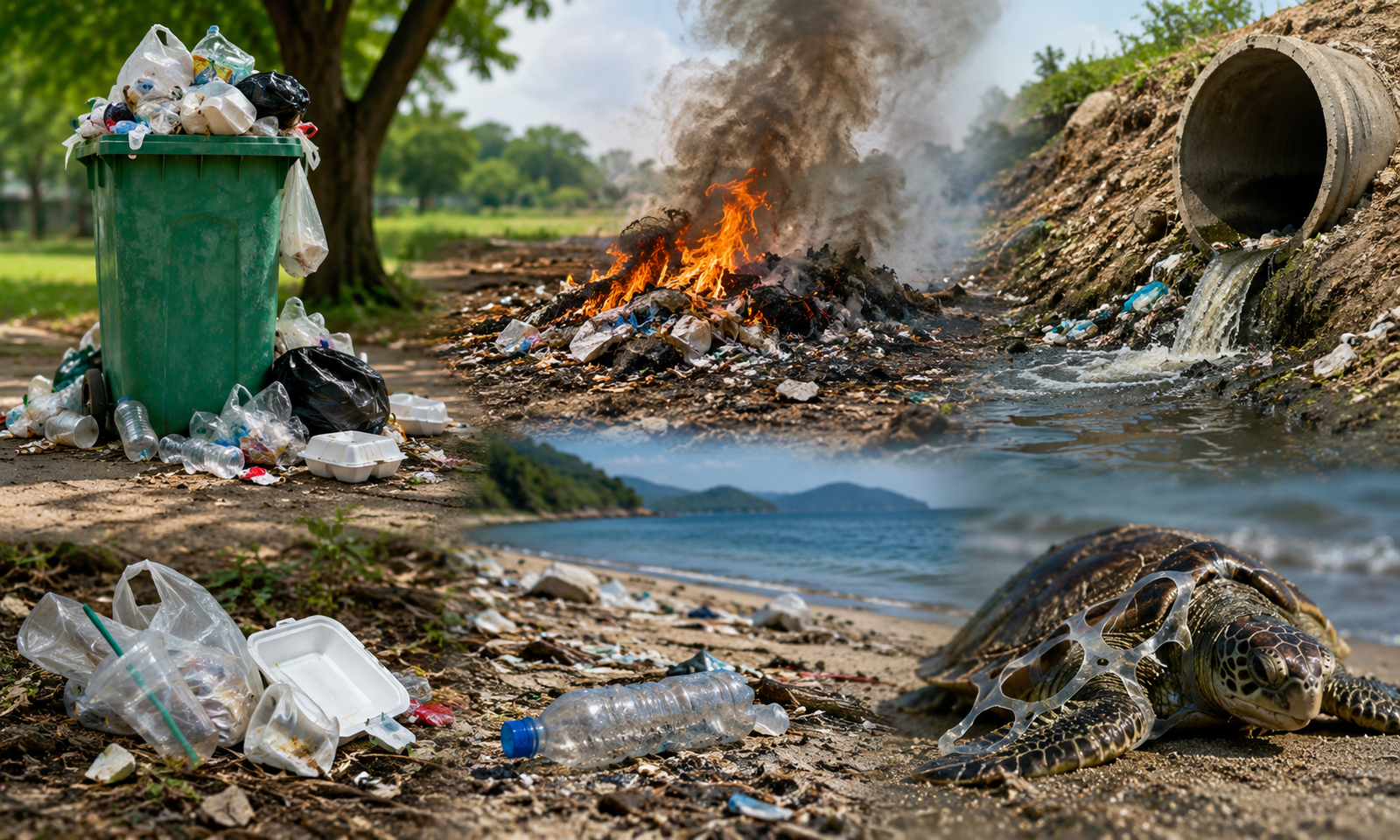
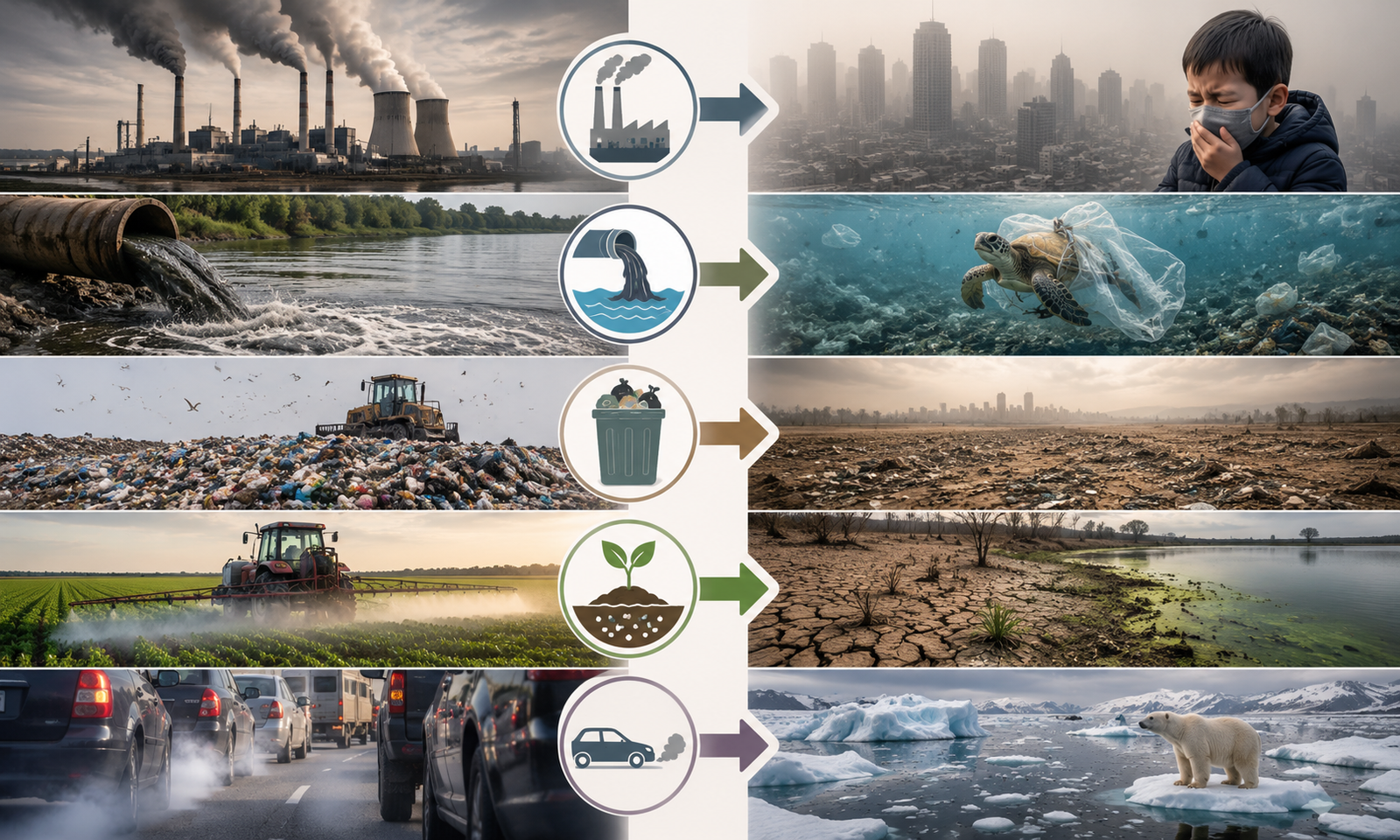
Plastic pollution has emerged as one of the greatest environmental threats in today’s world, impacting ecosystems, human well-being, and the general health of the environment. Each year, millions of tons of plastic waste go to waste in oceans, rivers and landfills, and will not decompose for hundreds of years. This pollution is detrimental not only to marine life and wildlife but also has a negative impact on marine food chains and also adds to the occurrence of micro-plastic pollution in drinking water and soil. To eliminate the use of plastic is, therefore, not only about protecting the environment, but about life on Earth that must be continued. Whether you are an individual, school, or business, your awareness and your actions that enhance your awareness of the importance of conscious consumption and responsible waste disposal, along with your use of eco-friendly alternatives, all serve to help manage this problem. Creating awareness and awareness-raising through behavior change initiatives will help minimize the plastic waste, which will lead to cleaner and healthier environments for both the current and future generation.
Plastic pollution and its adverse effects.
Plastic pollution is when plastics are discarded in the wrong way, contaminating the environment in a lasting and untreatable manner. This is one of the major issues caused by the presence of single-use plastics in the environment, which are created to be used for a short term only, but continuing to exist for many years. First measures to resolve this problem would be to Start to Reduce Plastic Waste in Homes as people use lots of plastic products every day, which support the overall plastic waste. Lots of resources provide practical steps that people can take to reduce their environmental footprint. This doesn’t just affect visible plastic waste; it’s also because plastic waste degrades and forms microplastics that can end up inside the soil, water, and even our food chains. Such micro-units are harmful to health and also to animals, and the reduction of plastic is a pressing demand in the world. They are all consequences that must be understood in order to be able to move people towards more positive consumption patterns.
Practical Strategies for Homes
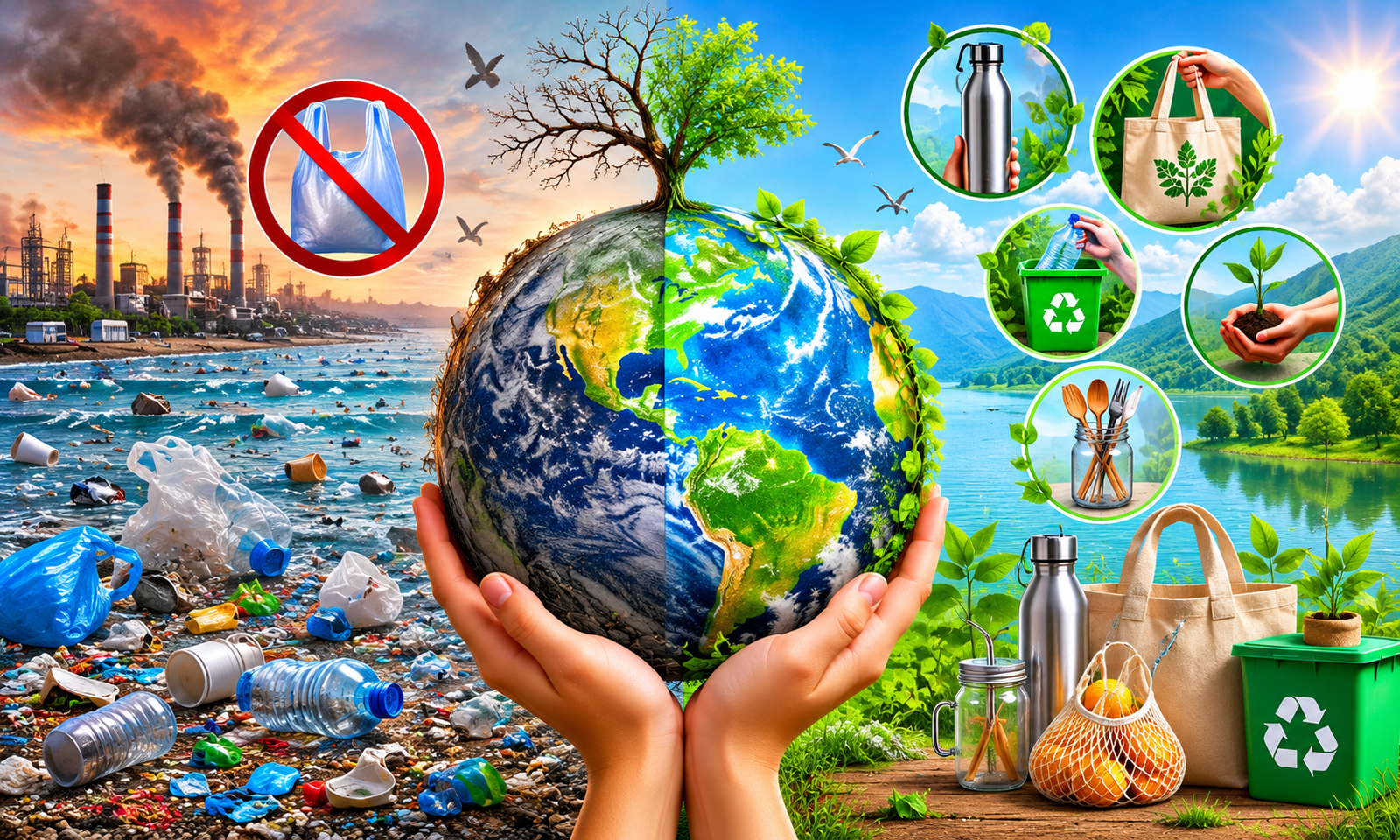
Homes generate a large amount of plastic waste and also are the best place to make a difference. There are many everyday activities and behaviors that households can do to have a much lesser negative impact on the environment, and choosing to be more sustainable on a regular basis will help to achieve this. An effective solution is to ensure that the usage of single-use plastics like coupons, wrappers, plastic bottles and bags is reduced by replacing them with reusable alternatives like glass, stainless steel and biodegradables. Also, purchasing goods in bulk and selecting goods that have little or recyclable packaging can significantly reduce household trash production. One of the key tactics is conscious use, whereby people consider what they buy and reject objects that are not essential and made from plastic. Organic waste is another way to lessen the use of plastic trash bags and the amount that goes to landfills. These changes in our daily habits can all help to reduce plastic waste in the environment and foster a culture of environmental responsibility that can inspire our neighbors, communities and generations to come to take steps to identify and reduce their plastic waste.
Switching to reusable alternatives
Reducing the use of single-use plastic waste and changing the habits of everyday life are some of the best things to do to reduce plastic pollution at the individual level. It is really possible to decrease the contribution of plastic to environmental pollution through simple lifestyle changes, if they are regularly adopted. For example, you should switch to reusable shopping bags, reusable water bottles, metal or bamboo straws instead of one time using plastic products. In like manner, buying rechargeable containers for storing food will additionally help keep away from trash and advance better life decisions. Yet another good practice is purchasing products from sustainable brands that prioritize eco-friendly packaging and ethical production methods. Also, repair or reuse VS. Discard programs help to promote a circular economy, which helps to minimise unnecessary waste production. Through time these practices not only lessen the impact on the environment but also contribute to the development of mindful consumers. The combined impact of these efforts is significant, resulting in a substantial decrease in plastic waste and a greener, cleaner environment as more and more communities embrace the practice.
Cities, regions and municipalities.
Schools and educational institutions are an important factor in helping to raise environmentally responsible behavior among youth, and are among those groups that have a strong contribution to make in combating plastic pollution. Having EE placed into the curriculum enables teachers to educate young people about the impacts of plastic waste and the need to be sustainable from an early age. In addition, there are a number of practical measures that can be taken on the school premises with a range of examples, including introducing reusable Lunch and Dinner containers, implementing a Re-useable Waste collection programme and prohibiting single-use plastics on school grounds. Such actions will not only decrease waste but also provide “hands-on” learning opportunities and strengthen environmental values. Additionally, environmental clubs and awareness sessions can encourage students to take part in their community’s sustainability efforts and be advocates for the environment. Administrators and teachers are role models, too, who apply eco-friendly practices in their everyday lives. Educational institutions that make the decision to cut down on plastics leave a bigger footprint beyond the school gates – and help families and communities learn to behave more responsibly.
Business and its Responsibilities
The staggering amounts of plastics produced, packaged and distributed by businesses and corporations have great responsibility in reducing plastic waste. The product world has a significant impact on consumers, and companies need to take steps to ensure that their operations are sustainable and minimize the use of plastics for consumer products. There are increasingly more efforts to go green with packaging, from novel materials that are biodegradable or made from recycled materials, to the design of minimal packaging and reusable containers. Also, setting up and maintaining a recycling program and a waste management plan for a business can have a significant impact on the environment in the workspace and in manufacturing plants. Another way businesses can take action for sustainability is to consider businesses looking to partner with green suppliers, and investing in products that are new innovations that are environment friendly. In addition to internal practices, companies can encourage responsible usage and disposal of their products by educating their customers. By adopting an environmental ethos, companies do more than just help drive sustainability on a global scale; they also foster trust and loyalty in the brand. The move towards being green, is a clear sign that economic growth and protecting the environment can work together.
Recyclables and proper disposal of wastes.
Proper waste disposal and recycling are paramount to a successful plan to decrease environmental plastic pollution. But recycling will only work if it’s done right – meaning knowing the recycling rules in your area and keeping the waste sorted. To process efficiently, increasingly waste needs to be sorted into separated recyclables – plastic, paper, metals and more – and garbage. Also, the cleaning and rinsing of recyclables before they are thrown away will eliminate contamination that can spoil an entire batch of recyclables. Infrastructure supporting waste collections also must include the support necessary to make a shift toward recycling. Recycling is not the only mode of proper disposal as the safe disposal of hazardous wastes must also be implemented in order to not contaminate the environment. Widespread public education campaigns could further increase awareness and help ensure that everyone participates in recycling initiatives. If effective recycling and waste management practices are effective and employees of the country and its people actively participate, a major reduction of plastic waste entering landfill and natural environments can be achieved.
Building a Sustainable Future
Sustainability takes a collective effort, a long time commitment and a change in the mindset of society related to consumption and waste. Eliminating plastic pollution takes time, and it is a process that requires individuals, communities, institutions and governments to work together for a shared objective. Encouraging innovative solutions with sustainable materials, investing in more waste management structures and implementing environmental policies are all fundamental steps for achieving the long-term transformation. Along with that matters of public education campaigns are crucial in raising awareness on the environmental impact of plastic waste and promoting behavioral shifts. In an era where more people are becoming eco-conscious and businesses are greenifying, there is a potential for added big benefits to the environment. Sustainability is a long-term process that involves everyone involved in conserving and saving the planet, but with clear rewards that lead to clean environments, healthy communities and a strong natural environment. The future is dependent upon the choices society makes today for a more sustainable and balanced future for generations to come.
Conclusion
Plastic pollution is a global problem, but is one that is solvable through action, consistency and practical measures. Communities aim to lower the use of plastic wastes by residents, schools and offices can also greatly contribute to sustainability by reducing the use of plastic wastes in their premises.
Making a few everyday adjustments to your life, however, — from reusable products, to the process of recycling, to acting on environmental policy — can all help to make a difference. There is no single solution so it is important to do it together.
The ultimate goal of protecting the environment is to have responsibility at all levels. If everyone does their part today for reduction of plastic waste, cleaner communities, healthy ecosystems and a more sustainable city itself for generations of tomorrow.