Introduction
Renewable energy is undoubtedly one of today’s most talked about issues when it comes to sustainability, climate change and economics. With the globally warming climate and the degradation and depletion of fossil fuels, the necessity for cleaner and more sustainable alternatives is becoming more and more urgent. Solar, wind, hydroelectric, and biomass energy are examples of renewable sources that, when used to power machines, thrive in today’s climate of vital need while decreasing greenhouse gas emissions. They are sustainable and much less polluting than coal, oil and natural gas. Taking advantage of renewable energy options is not only an environmental need, but also an economic and social opportunity, contributing to energy security, employment, and sustainable development. Familiarization with the operation of these energy sources and their advantages is key for every individual, decision maker and industry striving for a brighter and more resilient future.
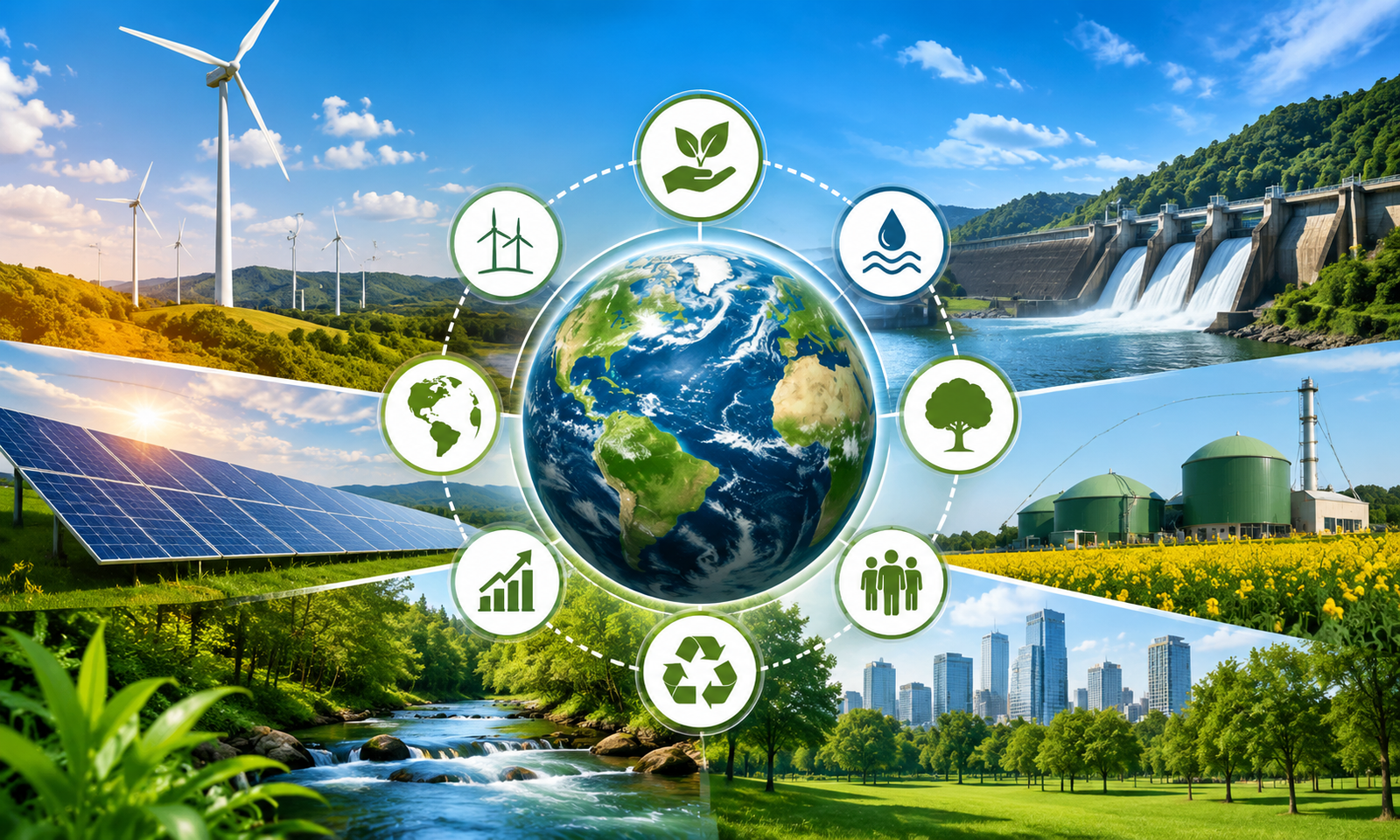
Renewable energy options are forms of energy that are being added back into the environment on a human time frame and can be considered as essentially limitless if managed correctly. These include solar energy from the sun, wind energy from the movement of the wind, hydropower from the running of the water and bioenergy from the structure of biomass. Unlike fossil fuels, which have massive carbon dioxide emissions in combustion, renewable energy systems have little or no direct CO₂ emissions in use. This makes it vital in decreasing carbon footprints and climate change across the world. The technologies play key roles in sustainable development because they enable not only economic development, but maintain the environmental resources for future generations as well. Switching to the use of renewable energy sources also decreases reliance on imported fuels, increases energy independence and confers a regular cost stability of energy on the society at large. As more and more countries and institutions recognize the importance of a more resilient economy and sustainable environment, they are allocating more and more funds to infrastructure built using renewable resources.
Solar energy – Prime source of renewable energy
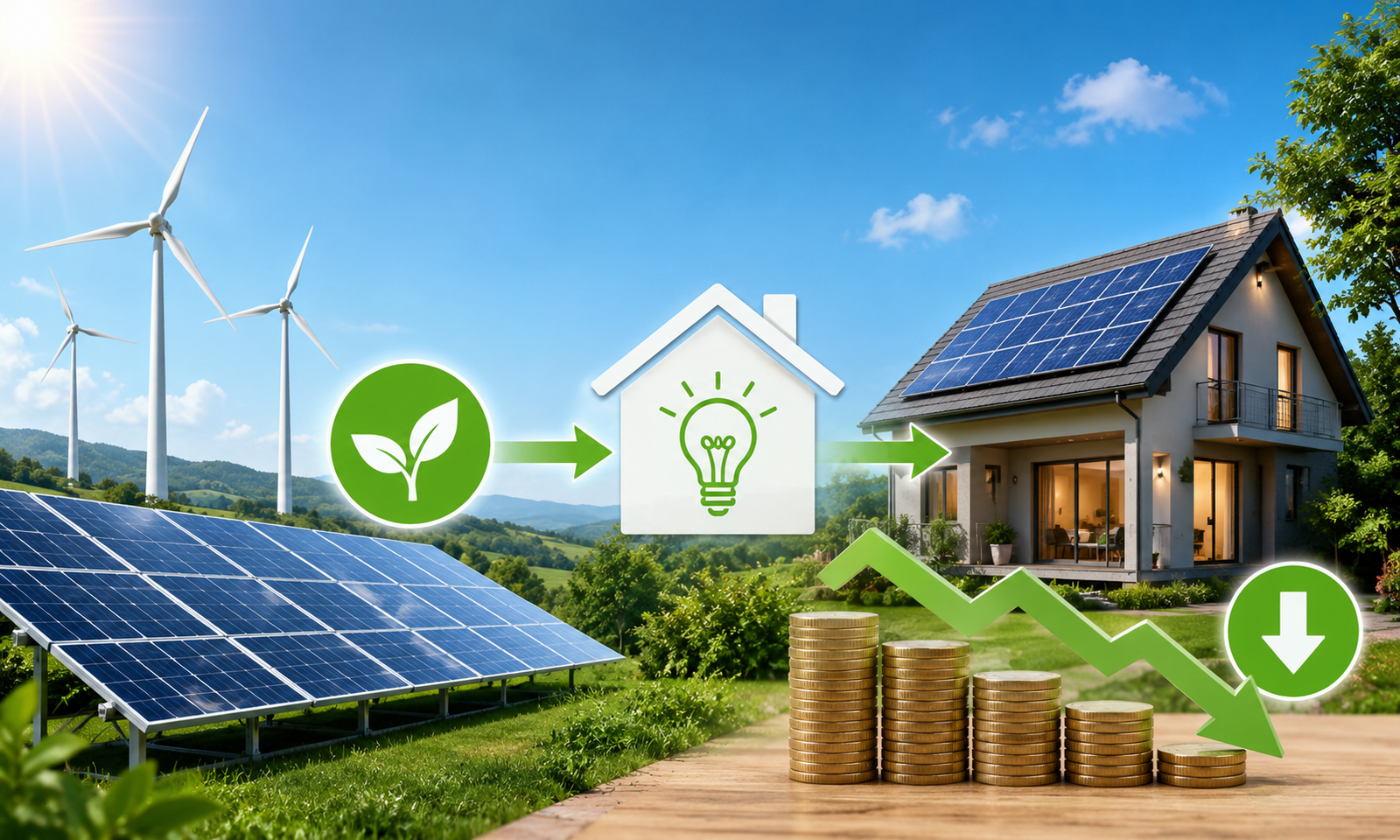
Amongst all the available renewable energy options, solar energy is the most spread and easy to use. It is based on the principle of converting sunlight into electricity or heat through the use of photovoltaic (PV) panels or solar thermal systems, respectively. Despite all the solar energy benefits, one of the greatest ones is the fact that the sun’s energy is available almost everywhere on earth. Consequently, it’s relevant for both the urban and the rural areas where it can be used at a very high scale. Solar PV installations can be put on roofs, in commercial buildings, or in a large solar PV plant, so they can cater to a variety of energy requirements. Another advantage is that solar energy systems need relatively low maintenance after installation, resulting in cost-effective operational benefits. As technology progresses, the efficiency of the solar panels grows, and the cost of solar panels will reduce. This has led to massive diffusion worldwide as well as in developed and developing nations, with a significant contribution to the reduction of dependency on fossil fuels and greenhouse gas emissions.
Wind Energy
Another significant source of renewable energy is wind energy, which is also considered to be an important part of the global clean energy supply. It is created by transforming the energy of the wind with wind turbines into electrical energy. Generally these turbines are located in places with sustained high winds like ocean, off-shore and open plains. Wind energy is very efficient and does not generate any direct emissions in its operation, making it an environmentally friendly choice over fossil fuel-based energy generation. A key advantage of wind power is its flexibility in scaling it up to create wind farms of significant size for generating large amounts of power, or scaling it down to fit local requirements, such as powering a single turbine for use in small pockets of remote power generation. Furthermore, wind power also leads to energy diversification, which lessens the danger of energy shortage arising from the disruption of fuel supply. The technology advances and contemporary wind turbines will perform better, quieter and produce higher energy output at lower wind speeds.
Hydroelectric energy.
Hydroelectric is one of the oldest and the most mature renewable energy sources, which is based on the power of falling and flowing water to produce electricity. It is normally generated from the use of hydropower, which involves constructing dams across rivers and capturing the energy from the water streaming through the turbines to drive the generators. Opting for hydropower production, the potential for a steady supply of large scale electricity is not lost and it is one of the most important contributors to world renewable energy generation. Its main benefit is that it can be stored in its reservoirs to help regulate electricity generation, which can be greater or less based on the current demand. Yet hydro energy, despite having a zero-carbon footprint, is not pollution-free, as it can cause environmental and social harm, including ruins to ecosystems and community displacement. Even with these drawbacks, it is an important component of the renewable energy portfolio because of its capability to generate a steady supply of baseload power in lots of areas of the world.
Biomass.
Organic materials like plant residues, agricultural crops and wastes, wood and animal wastes, are used to make biomass energy. It is among the most flexible renewable energy sources since it can be made into electricity, heat and biofuels. One unique function of biomass as a waste management tool is its capacity to convert biomass waste material to usable energy which can enhance a reduction in the accumulation of waste materials and methane released on landfills. If biomass is sustainably managed, the carbon dioxide released during combustion can be regarded as carbon-neutral since the carbon dioxide fixed during the growth of the organic material is absorbed during the biomass burning. In the rural areas, agricultural activity is very high, and the use of biomass energy in the rural area offers an extra source of income for farmers and rural communities. But it requires responsible sourcing and effective conversion technology to be sustainable. Over-harvesting will cause deforestation and environmental imbalance if not managed properly.
Benefits of renewable energy to the environment and economy.
Renewable energy sources have a wide array of positive effects on the environment, and they are especially important in fighting climate change. This shifts away from fossil fuels towards green energy, which substantially cuts down on greenhouse gas emissions, thus enhancing air quality and minimizing global warming impacts. This transition is also a good measure to preserve ecosystems because it reduces air, water and soil pollution. Renewables generate employment opportunities in manufacturing, installation and maintenance, as well as research. It also decreases long term costs of energy because of the use of free sources of energy like sun, wind and water. Nations with investments in renewable energy infrastructure tend to be more energy secure and less reliant on imports than other nations. Moreover, renewable energy systems foster technology innovation, thus the development of new energy sources (energy efficient and cheaper) that will play a crucial role both in currently developed and developing economies.
The transition to renewable energy sources has several challenges, although there are many benefits to doing so. The uncertainties or fluctuations of some renewable energy sources, like solar and wind, are one of the primary problems. To support this, more sophisticated energy storage technology and better-grid infrastructure are needed to make sure that power flows around the system evenly. One of the other difficulties is the cost of installation, which may be high in the beginning, but is slowly decreasing with technological advancement and government support. Lack of awareness, and policy support, in some areas also limits transition to renewable power. The outlook is, however, very bright in the future since investments in renewable energy continue to ramp up globally. Hypersmartness, smart grids and innovations in battery storage systems are enhancing the usefulness and reliability of renewable energy. With their continuous progress, renewable energy is also poised to be the major source of energy in the future, worldwide.
Conclusion
Sustainable development, climate change and environmental problems are nonexistent without adopting renewable energy choices. Each of these renewable energy sources – solar, wind, hydro and biomass – has a distinct value proposition in building a cleaner and more resilient energy system. Renewable energy satisfies the twin goals of safeguarding the earth and improving human health by decreasing reliance on fossil fuels, decreasing carbon emissions, and also working towards economic growth and development. While there are still obstacles like cost, infrastructure, and intermittency, ongoing innovation and global efforts are making the shift towards cleaner energy systems a reality. The transition towards renewable energy is not just a technological change but a crucial step in ensuring a sustainable future for generations to come.