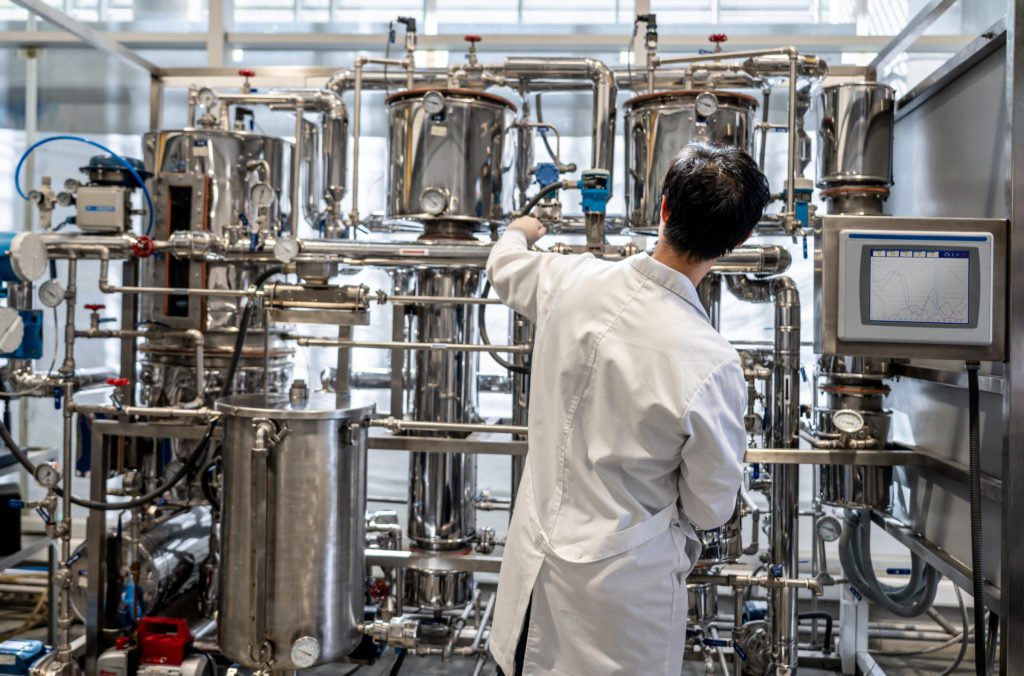
In industries where cleanliness, product quality, and contamination control are critical, process system design involves far more than simply connecting equipment together. Every component—from valves and fittings to tubing and welds—must be carefully selected and installed to support product integrity and regulatory compliance.
To help ensure consistency across the industry, manufacturers, engineers, and facility operators rely on established standards that define best practices for hygienic design. Among the most influential standards in pharmaceutical, biotechnology, and other high-purity industries is the ASME Bioprocessing Equipment (BPE) Standard.
Understanding the role of these standards can help organizations make informed decisions when designing, expanding, or upgrading high-purity processing facilities.
Why Standards Matter in High-Purity Manufacturing
In many manufacturing environments, minor contamination may result in product defects or increased maintenance requirements. In pharmaceutical and biotechnology production, however, contamination can have much more significant consequences.
Potential risks include:
- Product recalls
- Batch rejection
- Regulatory findings
- Production delays
- Increased operating costs
- Patient safety concerns
Because of these risks, facilities must maintain strict control over system design, fabrication, installation, and maintenance practices.
Industry standards provide a framework that helps manufacturers achieve consistent results while reducing the likelihood of quality issues.
What Is the ASME BPE Standard?
The ASME Bioprocessing Equipment Standard was developed to establish guidelines for equipment and systems used in biopharmaceutical manufacturing and other high-purity applications.
The standard addresses numerous aspects of system design, including:
- Materials of construction
- Surface finishes
- Weld quality
- Cleanability
- Drainability
- Inspection requirements
- Documentation practices
Its primary goal is to help create systems that can be effectively cleaned, sanitized, and maintained while minimizing contamination risks.
Today, BPE guidelines influence the design of facilities around the world.
The Role of Piping Systems in Contamination Control
Piping systems serve as the pathways through which products, process fluids, cleaning solutions, and utilities travel throughout a facility.
Because piping is present throughout nearly every stage of production, it plays a major role in overall system hygiene.
Poorly designed piping can create issues such as:
Product Hold-Up
Areas where fluid remains trapped after processing can create contamination risks and complicate cleaning procedures.
Inadequate Drainability
Systems that do not fully drain may retain moisture or process residue, increasing the likelihood of microbial growth.
Surface Irregularities
Rough surfaces, poor welds, and improperly finished components can create areas where contaminants accumulate.
Difficult Cleaning Procedures
Complex geometries or inaccessible areas may reduce cleaning effectiveness and increase validation challenges.
Proper piping design helps address each of these concerns.
Key Characteristics of High-Purity Piping Systems
High-purity processing systems are designed with several objectives in mind.
Smooth Internal Surfaces
Surface finish requirements help reduce product adhesion and improve cleaning effectiveness.
High-Quality Welds
Orbital welding and strict inspection standards are often used to ensure smooth, consistent weld joints throughout the system.
Drainability
Proper slope and system configuration allow fluids to fully drain during cleaning and maintenance procedures.
Material Compatibility
Materials must withstand process conditions, cleaning chemicals, and sterilization procedures without compromising system integrity.
These characteristics work together to support contamination control and long-term reliability.
Industries That Commonly Use BPE Standards
Although originally developed for bioprocessing applications, BPE principles are widely used across several industries.
Pharmaceutical Manufacturing
Drug production facilities rely heavily on BPE-based design practices to support regulatory compliance and product safety.
Biotechnology
Biological processes often involve highly sensitive materials that require carefully controlled manufacturing environments.
Cell and Gene Therapy
Advanced therapies frequently demand exceptionally high levels of cleanliness and process control.
Personal Care and Specialty Chemical Production
Some manufacturers adopt BPE design principles to improve product quality and operational consistency.
As regulatory expectations continue to evolve, the adoption of hygienic design standards remains a growing priority.
Investing in Long-Term Process Reliability
While implementing high-purity standards may increase initial project costs, the long-term benefits often outweigh the investment. Improved cleanability, reduced contamination risk, simplified validation, and greater operational consistency can help facilities avoid costly quality issues and production disruptions.
Organizations evaluating system upgrades or new facility construction should consider the value of properly designed ASME BPE piping as part of a comprehensive contamination control strategy.
By incorporating recognized industry standards into system design, manufacturers can create facilities that support product quality, regulatory compliance, and reliable performance for years to come.