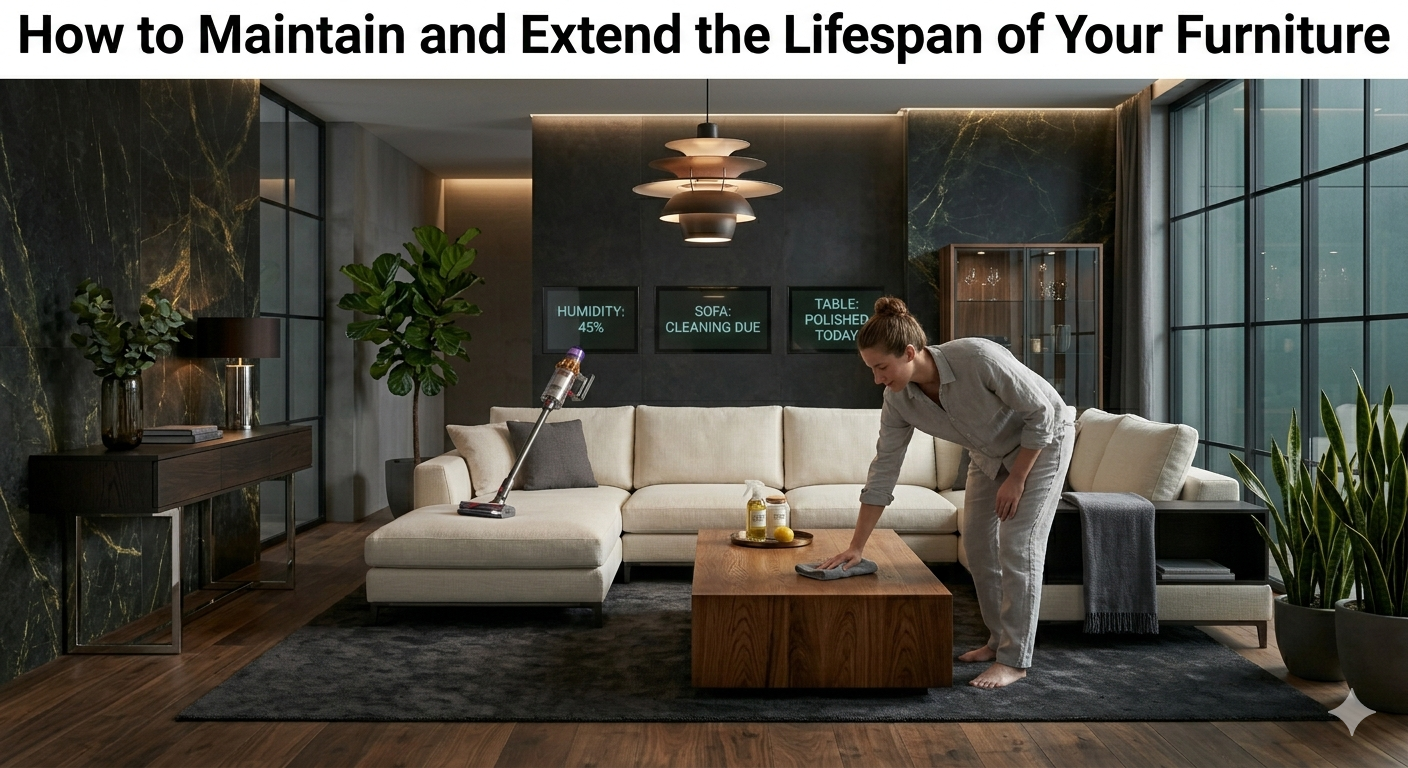
Furniture Care Tips are essential for homeowners who want to protect their investment, extend furniture lifespan, and reduce replacement costs. Furniture is a value-added feature that enhances the functionality and looks of any room, whether it’s a solid wood dining table, a comfortable sofa, an elegant coffee table or a stylish bedroom set. But for many homeowners, it’s when you see some damage that they realize that regular maintenance is necessary. Furniture can suffer from scratches, stains, fading, warping and weakened structures, which can make the furniture ultimately unusable and cost a lot of money in replacing the furniture. Fortunately, with the right care and maintenance practices, it’s possible to keep the look, comfort and durability of furniture for many years.
Routine maintenance of your furniture also prevents it from looking unappealing. It also helps prevent the materials from environmental hazards, daily wear and tear and mishaps. Plus, the money that can be saved in the long run for investing a little time in preventive care is significant. But if you learn the proper furniture care skills, homeowners can often find that their furniture lasts longer than they expect—and continues to serve their purposes. So it is important to know the basics of wood polishing, fabric cleaning, scratch protection and moisture control for all those who wish to get the best return from their furniture investment.
Importance of Furniture Maintenance
Furniture is subjected to daily stresses like normal usage, environmental factors and accidental damages. These items hold weight, withstand spills and scratches, and collect dust, dirt and body oils on upholstered furniture. These factors over time slowly begin to have an impact on the appearance and structural integrity. Therefore, don’t neglect routine furniture maintenance or you may begin to speed up the deterioration and shorten the life of your furniture.
Furthermore, the constant changing of furniture can also be an expensive proposition for households. Preserving high-quality furniture can be cost effective, as it can be expensive. Homeowners can minimize the need for repairs or replacements by using good maintenance practices. If you need more information on furniture care and preservation for good quality furniture, there are certain recommendations by the professionals that can be useful for you to have an idea about the long term care of furniture. This means that regular maintenance is a worthwhile investment that can help prolong the life of furniture and enhance the beauty of the home. For additional guidance on how to preserve furniture quality, professional recommendations can provide valuable insights into long-term furniture care.
Moreover, good furniture makes for a healthy and inviting home. The removal of any surface dust and dirt means that it collects less allergen, and if it’s well maintained it will feel and look as comfortable as ever. Furniture maintenance should thus be considered as a regular practice and not a once-in-a-while job.
Types of Materials for Furniture Making.
It’s essential to note that various kinds of furniture have different maintenance methods before you begin using them. Wood, fabrics, leather, metal, or glass are all affected by the environment and cleaning solutions in different ways. So, if you use the wrong cleaning method it can sometimes do more harm than help.
Wood furniture can be subject to changes in moisture content, exposure to sunlight and abrasive cleaning materials. Upholstered furniture, on the other hand, has the ability to soak up spills and foul odors if not taken care of immediately. Leather furniture needs to be conditioned to stop it cracking and metal furniture can be protected from possible corrosion. By knowing what materials the furniture in your home is made of, you’ll know which maintenance techniques will be the best.
Furthermore, manufacturers can offer care guidelines for materials that are used. Giving these suggestions will help avoid accidental damage, and help to keep warranty coverage in place, if applicable. That’s why it’s important for homeowners to know what it takes to care for their furniture before they use cleaning products or treatments.
How to Polish Wood to retain its Commercial Value
Following Furniture Care Tips for wood surfaces helps maintain their natural beauty and durability. But, it takes care and proper polishing techniques to keep it beautiful. Wooden surfaces can become dull over time as a result of dust build up, exposure to sunlight or regular usage. Hence, regular polishing is beneficial to restore shine and to protect the finish.
Any polish should be applied after the removal of dust and debris with a soft microfiber cloth. The dust particles can act as abrasives in polishing and can cause fine scratches in polished surface. After cleaning the surface, choose a polish formulated for the treatment of the type of wood and finish. Furthermore, polish that is applied sparingly will not cause buildup of the polish which can then attract more dust.
Avoid using too much pressure when polishing wood furniture, but use gentle circular movements. This technique allows the product to be spread out evenly, and adds to the natural grain of wood. Beyond this, it is best to let the polish dry in a bit deeper before buffing, which will help its shine last longer. Wooden furniture can be polished on a regular basis, every few months, and the life of the wood can be extended and its original luster can be maintained.
But it is important to remember that homeowners shouldn’t over Polish. Overuse of products could lead to product accumulation, which over time will be hard to remove. So it’s better to use moderate and regular applications than frequent, intense applications. Wooden furniture can be kept beautiful and protected for many years with a simple polishing program.
Fabric Cleaning and Upholstery Care
Proper Furniture Care Tips for upholstery can prevent stains and extend fabric life.Therefore, frequent cleanings are must to keep the look and cleanliness. If fabric maintenance is not performed, it can result in permanent discoloration, foul odors and accelerated deterioration of the material.
One of the best furniture maintenance tips is to vacuum upholstered furniture once a week. This action helps to clear out loose material in advance of becoming trapped amongst the fibers. Upholstery attachments can also be used for homeowners to clean around seams, crevices and other hard to reach areas where dust may gather. Regular vacuuming keeps fabrics looking and feeling their best.
Any spills need to be cleaned up immediately to avoid staining. Do not rub affected area, but blot the spill with a clean cloth. Rubbing will drive liquids further into the fabric and spread the stain out more. Besides, using cleaning solutions that are approved by manufacturers are good to avoid damage to the fabric and discoloration. When testing any cleaner, you can also test it on a hidden area first to prevent undesirable outcomes.
Professional Deep Cleaning
Professional Deep Cleaning may also be helpful. Professional furniture cleaning every 12-18 months can help to eliminate deeply embedded dirt and revitalize the look of furniture, depending on how much furniture is used. Thereby fabric furniture is kept clean, healthy and attractive for its entire life.
How to Prevent Scratches and Damage to Furniture Surface
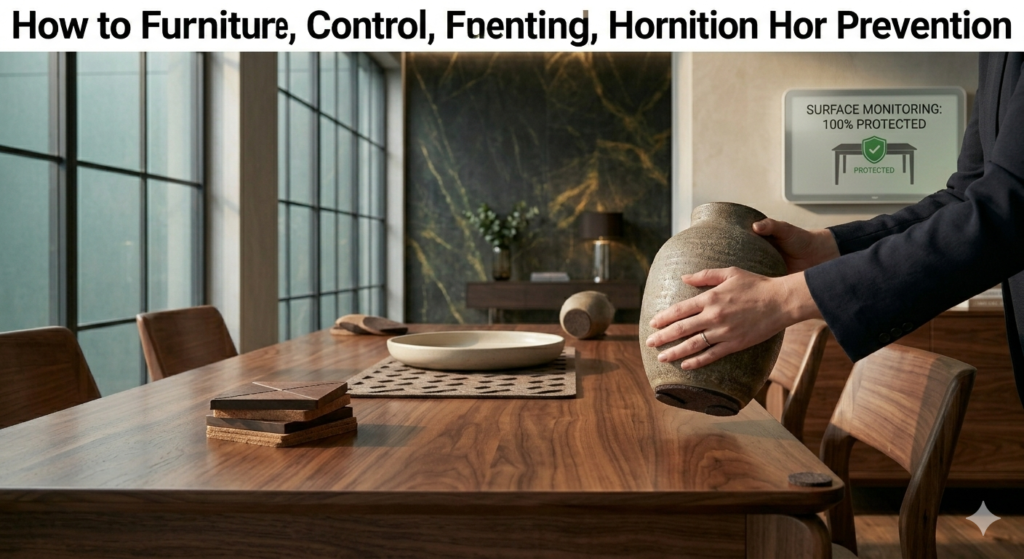
One of the most frequently damaged types of furniture are scratches. These may be due to a number of moving items coming into contact with surfaces or from pets, children’s play and normal usage. Luckily, many of the scratches can be avoided by taking a few precautions.
One of the best ways is to use coasters, placemats and protective pads to keep the surface from getting damaged. These accessories inhibit an object that can harm the furniture from touching the surface of it. For instance, it can be used on your decorative objects to stop the objects from getting scratched due to the friction. Likewise, placing coasters beneath drinks will safeguard surfaces from not only scuffs, but water rings as well.
Damage prevention is also the case of furniture arrangement. Don’t drag heavy objects along tables or shelves. Rather they must be handled gently, in order to prevent any abrasions of the surface. Furthermore, regular cutting of the nails of pets can help reduce the possibility of damage to furniture, especially wooden and upholstered types, from accidental scratching.
Another effective way of preventing is to educate family members on the proper use of furniture. For example a child may place his hands on a table to play with it or climb on a fragile table, which may break. Therefore, the use of responsible people will significantly contribute to furniture preservation. These little things can save your furniture from expensive repairs and maintain its appearance over the years.
Controlling Moisture and Humidity Level

These Furniture Care Tips also include managing indoor humidity levels to prevent damage. Wood can swell, warp or mold if there is too much moisture in the wood, and it can crack and split when the moisture is too low. It is, therefore, very important to keep the indoor humidity level well balanced in order to preserve furniture.
The ideal indoor humidity level is 30% – 50%. To avoid wooden furniture from being too big or too small. Also, humidifiers and dehumidifiers can be employed throughout the dry and rainy seasons respectively, to help control the environment. It is especially important to be consistent as rapid fluctuations have the most negative effect.
Be sure to clean up spills of water quickly. Small amounts of standing water can get into finishes and cause damage to surfaces. Therefore, immediately cleaning up before it can stain, swell and cause damage to the structure. Homeowners should also refrain from putting furniture right next to any radiators, air conditioning vents or hot/cold spots.
Sun’s exposure can also play its part in moisture issues such as fading and drying out materials. Hence, curtains, blinds or UV filter window treatments are beneficial to protect furniture from direct sunlight for long periods of time. This helps to maintain the colour of the furniture and the surface finish and shape of the furniture.
Furniture Care Tips for Long-Lasting Furniture
Furniture maintenance needs to change according to the seasons since the environment would change throughout the year. Humidity can drop, especially in the winter, as a result of the indoor heating sources, which can lead to wood shrinkage and cracking. In its interior, on the other hand, one can avoid damage to the furniture during the colder seasons by actively controlling humidity, and by installing humidifiers.
However, in the summer it can increase the humidity which can impact wood and upholstery. This can mean that more ventilation and dehumidification might be needed. Seasonal changes provide an opportunity for regular inspections which allow homeowners to be alert to potential issues before they become problems.
Spring and Fall are great times to do a complete furniture maintenance. Attention to small issues should be taken proactively by doing a deep clean for upholstery, polishing wood surfaces, tightening loose hardware and checking for wear. Plus, seasonal maintenance programs ensure consistency and they lessen the risk of neglecting crucial maintenance.
Seasonal adjustments of home maintenance program helps to decrease the tension that the exterior environment may apply on furniture and offer protection to furniture throughout the year.
Establishment of a long-term furniture care system (LTFR):
Consistent Furniture Care Tips reduce maintenance costs and improve furniture longevity. But, homeowners should take it to their habit to regularly clean, check and maintain their home to avoid damage. It’s better to do small tasks regularly, than to do big tasks infrequently.
A regular check-routine could involve weekly dusting and vacuuming, monthly checks for scratches or loose items, quarterly polishing of wood furniture and annual professional cleaning of upholstery. Other factors that enhance furniture durability include appropriate humidity, quick response to spills, and other maintenance tasks.
Having documentation may also be beneficial. Maintenance logs and product suggestions enable homeowners to maintain record of maintenance activities and identify the common issues that may occur. Also, periodic inspections allow the opportunity to correct minor problems before they become major and costly problems.
Eventually regular maintenance practices are “just the way life is. As a result, furniture looks great, is still in use and is still usable for many years. Regular care can have an impact that far surpasses the expectations, and can greatly postpone the replacement.
Conclusion
By following these Furniture Care Tips, homeowners can preserve furniture appearance and reduce replacement expenses.Wood polishing cannot only help maintain the beauty of nature but can also enhance it, while frequent cleaning of fabric can help ensure comfort and cleanliness. In addition, scratch protection properties help safeguard surfaces and moisture control properties help safeguard furniture in terms of structural damage.
Owners of homes that take the time to perform routine maintenance will reap many benefits such as fewer replacement expenses, better home appearance and extended furniture performance. Additionally, regular care will ensure furniture investments have their value preserved and a more comfortable living environment will be created. Practices described in this manual will enable the householders to get at least a long life from their furniture and maximum satisfaction and savings.