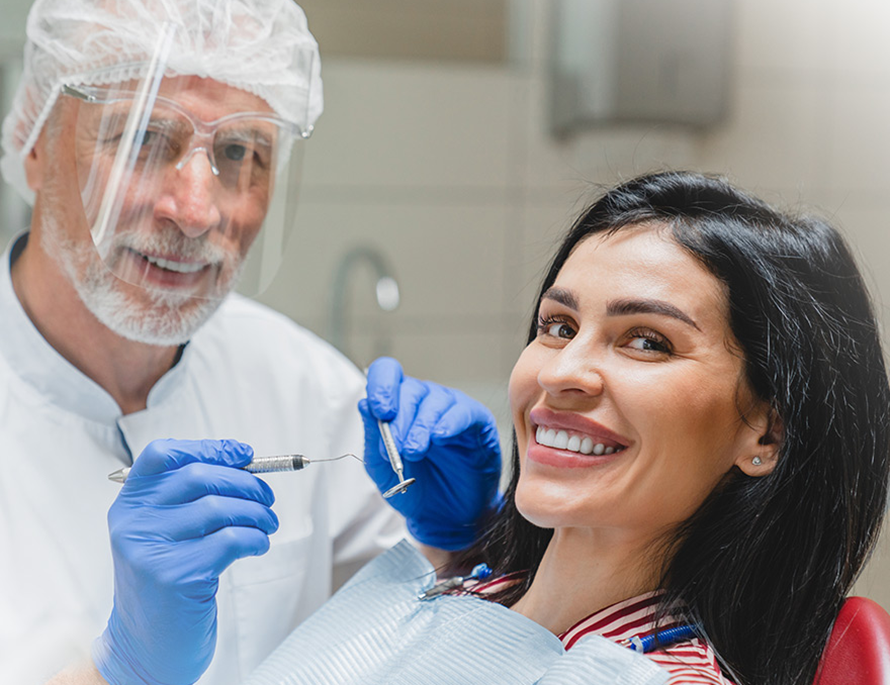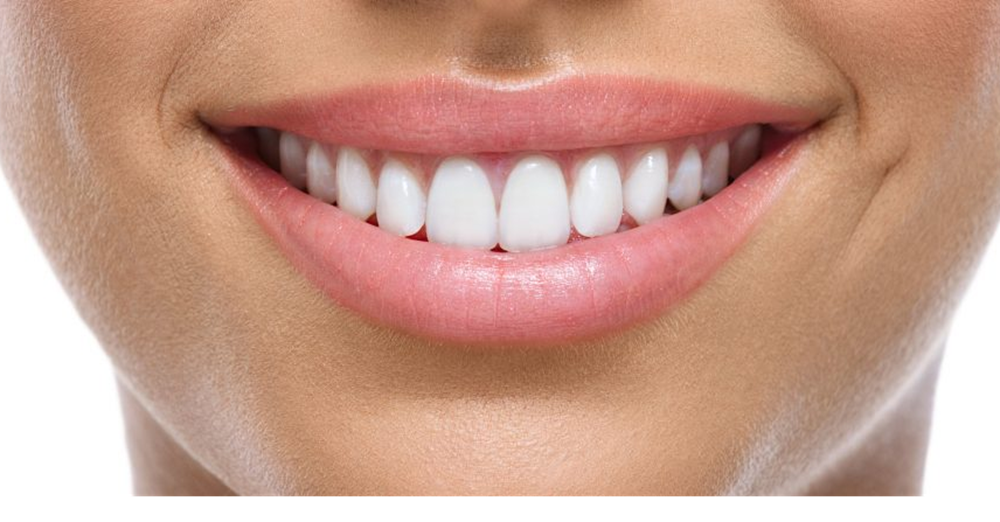
You want a brighter, straighter smile that lasts. Preventive dentistry makes that possible. When you protect your teeth and gums first, cosmetic work looks better, feels better, and stays strong. Routine cleanings, early cavity checks, and gum care stop quiet damage that can ruin whitening, veneers, or bonding. Without this base, cosmetic treatments can chip, stain, or fail. That leads to more visits, more cost, and more stress. With a strong preventive plan, your dentist can spot hidden cracks, grinding, or infection before they erase your progress. This blog explains five clear ways preventive care boosts the success of cosmetic dentistry East Grand Rapids. You gain safer treatment. You gain steady results. You gain real confidence when you smile.
1. Healthy Gums Hold Cosmetic Work In Place
Gums are the base for every tooth. If gums bleed, swell, or pull back, cosmetic work loses support. Whitening hurts more. Veneers loosen. Crowns fail.
Strong gums give you three gains.
- Less pain during and after treatment
- Lower risk of infection
- Longer life for veneers, crowns, and bonding
Routine cleanings and gum checks catch early gum disease. The Centers for Disease Control and Prevention explains how common gum disease is and how simple steps at home protect you.
2. Cavity Checks Prevent Hidden Damage Under Cosmetic Work
Cosmetic work covers teeth. It does not fix decay. If your dentist places bonding or veneers over a weak tooth, decay keeps spreading. You might not feel pain until the tooth breaks.
Preventive visits include three key checks.
- Visual checks for dark spots and soft spots
- X rays when needed to see between teeth
- Tests for sensitivity to cold or touch
Fixing small cavities first keeps the tooth strong. Then, whitening, bonding, or veneers rest on solid tooth structure. That reduces the chance of sudden cracks or costly root canals later.
3. Cleanings Help Whitening Work Better And Last Longer
Stain sticks to plaque and tartar. If teeth are not clean before whitening, the color change looks patchy. Some spots stay dark while others brighten. That can cause uneven color across your smile.
Professional cleanings remove three stubborn layers.
- Soft plaque from food and drink
- Hardened tartar that brushing cannot remove
- Surface stain from coffee, tea, or tobacco
Then, the whitening gel reaches the full tooth surface. Color changes more evenly. Results last longer because there is less buildup to trap new stains. The American Dental Association explains how cleanings support healthy teeth.
4. Bite Checks Protect Veneers, Crowns, and Bonding
Your bite controls how your teeth touch when you chew and when you rest. If you grind at night or clench during stress, a strong force hits a few teeth. Cosmetic work on those teeth faces constant strain.
During preventive visits, your dentist can.
- Watch how your teeth close
- Look for flat spots or chips
- Ask about jaw pain or morning headaches
If grinding shows up, a simple night guard can shield new veneers or bonding. Small bite adjustments can spread pressure across more teeth. That keeps cosmetic work from cracking or popping off.
5. Regular Visits Catch Problems Before They Ruin Results
Cosmetic work is not a one-time event. Teeth and gums keep changing with age, stress, and health. Regular visits catch small changes before they damage your smile.
You and your dentist can watch for three common threats.
- Edges of veneers that start to lift
- Dark lines near crowns that hint at decay
- Stain returning after whitening
Quick fixes at preventive visits cost less time and money than full repairs. You keep the same shape, color, and look that you first loved.
Comparison: With And Without Preventive Dentistry
| Factor | With strong preventive care | Without strong preventive care |
|---|---|---|
| Gum health during cosmetic work | Stable gums that hold veneers and crowns | Bleeding gums and risk of loose work |
| Risk of decay under cosmetic work | Small cavities treated early | Hidden decay that leads to breakage |
| Whitening results | Even color and longer lasting change | Patchy color and quick return of stain |
| Bite and grinding control | Night guards and small bite fixes in place | Cracked or chipped veneers and bonding |
| Long term cost | Fewer repairs and fewer emergency visits | Repeated fixes and higher total cost |
How You Can Support Your Cosmetic Results At Home
Your daily habits matter as much as office visits. Three steps make a strong base.
- Brush twice a day with fluoride toothpaste
- Clean between teeth every day with floss or another tool
- Limit sugary drinks and snacks between meals
These simple steps lower the risk of decay and gum disease. They also protect the money and effort you invest in cosmetic changes.
Putting It All Together
Preventive dentistry and cosmetic care work together. Healthy gums, clean teeth, and a balanced bite make cosmetic treatments safer and steadier. You gain a smile that looks natural, feels strong, and lasts.
When you plan any cosmetic work, talk with your dentist about a clear preventive plan. Ask how often to schedule cleanings. Ask about gum checks, cavity checks, and bite checks. Then follow through. Your future self will be grateful every time you see your reflection and smile without worry.