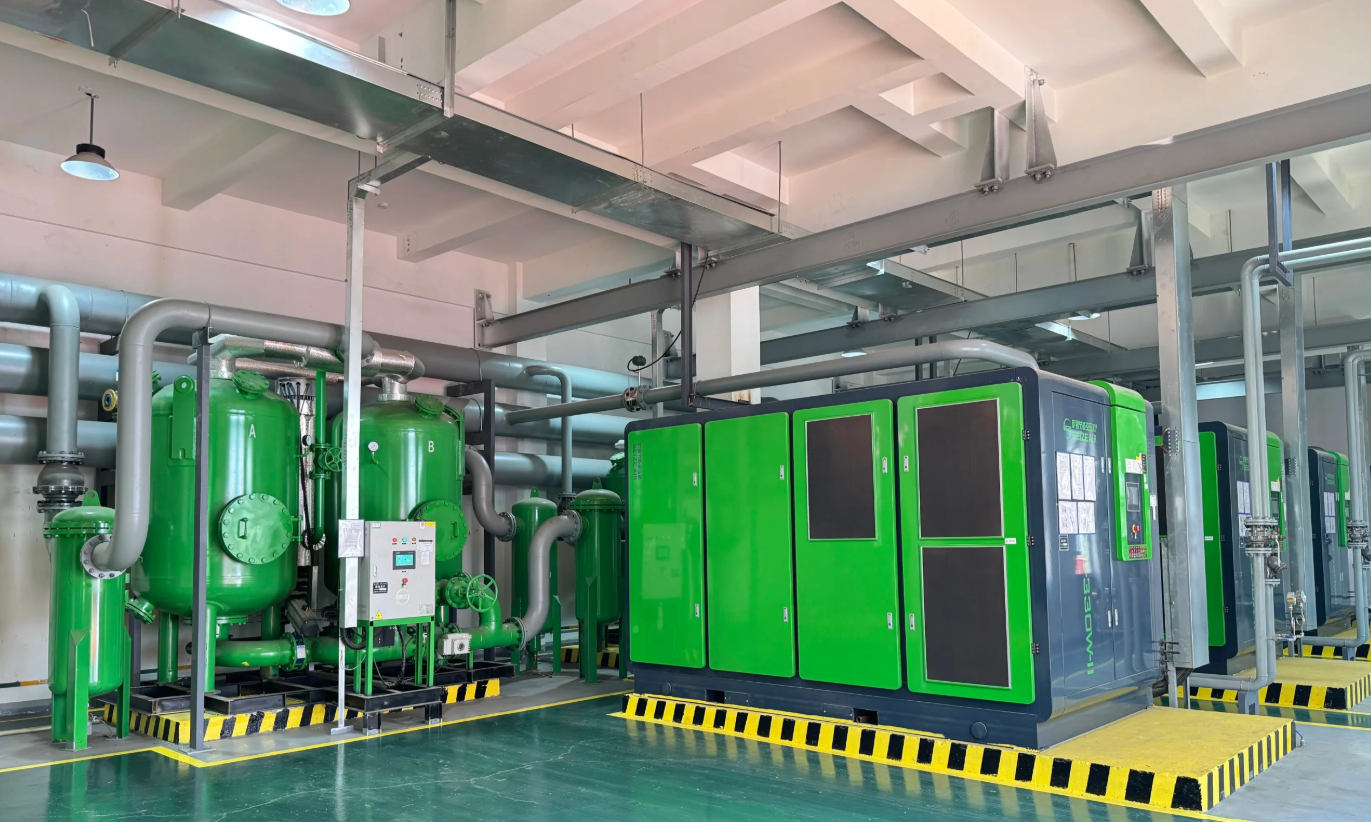
Beneath the factory floor, behind the assembly line, and inside the pneumatic tools that shape our world, a silent force provides the necessary energy. Industrial air compressors are the unsung heroes of modern production, converting mechanical power into a versatile, reliable stream of compressed air. From automotive assembly to pharmaceutical packaging, the air compressor industrial sector is vast, multifaceted, and crucial for operational efficiency. Understanding the technology, applications, and selection criteria for these systems is not just beneficial—it is essential for any business looking to optimize its manufacturing processes and reduce operational costs. The choice of compressed air system directly impacts energy consumption, tool life, and product quality, making it a strategic decision rather than a mere utility purchase.
The Core Technology: Understanding Compressor Types and Operating Principles
At its heart, an industrial air compressor is a device that increases the pressure of air by reducing its volume. However, the methods used to achieve this vary significantly, leading to different compressor types suited for distinct applications. The two primary categories are positive displacement and dynamic compressors. Positive displacement compressors, which include reciprocating and rotary screw models, work by trapping a fixed volume of air and then forcing it into a smaller space. Reciprocating compressors use pistons, making them ideal for intermittent, high-pressure applications like smaller workshops or specialized machinery. In contrast, rotary screw compressors use two interlocking helical rotors to continuously compress air, providing a smooth, pulsation-free flow perfect for continuous operation in larger facilities.
Dynamic compressors, such as centrifugal models, use high-speed rotating impellers to accelerate air, then decelerate it to increase pressure. These are typically reserved for massive industrial operations requiring very high volumes of air, such as in chemical plants or large-scale mining operations. The choice between these types hinges on factors like required pressure (PSI), flow rate (CFM), duty cycle, and air quality needs. For instance, a facility requiring oil-free air for sensitive electronics or food processing would likely invest in a specialized air compressor industrial system with advanced filtration or oil-less technology. Rotary screw compressors have become the industry standard for general manufacturing due to their reliability, energy efficiency, and continuous operation capability. The thermal efficiency of the compression stage, often managed through precise cooling and lubrication systems, directly correlates with the total cost of ownership. Without a thorough understanding of these operating principles, businesses risk over-sizing or under-sizing their systems, leading to wasted energy or insufficient air supply.
Energy Efficiency and System Design: The Hidden Cost of Compressed Air
One of the most critical yet often overlooked aspects of industrial air compressors is their energy consumption. Compressed air is notoriously expensive, with estimates suggesting that up to 30% of the energy input is lost as heat through the compression process itself, with additional losses occurring in distribution piping, leaks, and inappropriate usage. A well-designed system, therefore, focuses not just on the compressor unit but on the entire network. This includes proper sizing of storage tanks (receivers), which act as buffers to meet peak demand without forcing the compressor to cycle constantly. It also involves strategic placement to minimize pressure drops in long piping runs. Implementing a centralized vs. decentralized system can have profound impacts: a single large system may be efficient for a factory running one shift, while multiple smaller units can be more effective for facilities with variable zone demands.
Modern air compressor industrial units are increasingly equipped with variable speed drive (VSD) technology, which adjusts the motor speed to match real-time air demand. This is in stark contrast to older fixed-speed models that run at full capacity regardless of need. Heat recovery systems are another key innovation, capturing the thermal energy generated during compression for use in space heating, water preheating, or other process heating needs. This can reclaim up to 90% of the input energy, turning a significant waste stream into a valuable resource. Furthermore, a rigorous leak detection and repair program is often the single most cost-effective step a facility can take. A single pin-hole leak in a supply line can cost hundreds of dollars annually in wasted electricity. Combining high-efficiency compressor components with a smart control strategy—like network sequencers that manage multiple units—can reduce overall energy costs by 20-50%.
Real-World Applications and Case Studies: Compressed Air in Action
The versatility of compressed air is demonstrated across diverse industries, with each sector imposing unique demands. In the automotive industry, for example, a typical assembly plant requires a massive supply of clean, dry compressed air to power pneumatic robots that operate spot welders, spray paint, and move heavy components. One case study involved a major auto manufacturer that switched from a network of old, inefficient reciprocating compressors to a bank of modern, VSD-controlled rotary screw units. The result was a 35% reduction in energy consumption and a corresponding drop in maintenance costs, as the new units also featured advanced remote monitoring capabilities that predicted filter and oil changes before breakdowns occurred. This transition not only improved their bottom line but also enhanced plant reliability—a critical factor in just-in-time manufacturing environments.
In the food and beverage sector, the requirements shift toward absolute purity. A leading beverage bottling plant needed a reliable source of oil-free compressed air to operate pneumatic conveyors and filling machines. Contamination from lubricants could spoil entire batches. By investing in a specialized class-zero oil-free industrial air compressor, they eliminated the risk of hydrocarbon contamination, ensuring that every bottle of product met strict safety and quality standards. This real-world example underscores that the “best” compressor is often not the cheapest upfront, but the one that aligns perfectly with the specific application’s risk profile. Another example comes from the pharmaceutical industry, where consistent air pressure and flow are vital for operating cleanrooms and tablet press machines. A pharmaceutical firm was able to reduce downtime by 15% simply by re-designing their compressed air distribution system to eliminate sharp bends and undersized valves that were causing pressure fluctuations. These case studies clearly demonstrate that the selection and integration of industrial air compressors is not a commodity purchase but a complex engineering decision that directly impacts product quality, operational safety, and financial performance. The key takeaway is to match the compressor technology, air treatment (dryers, filters), and distribution design to the specific, measurable demands of the process.