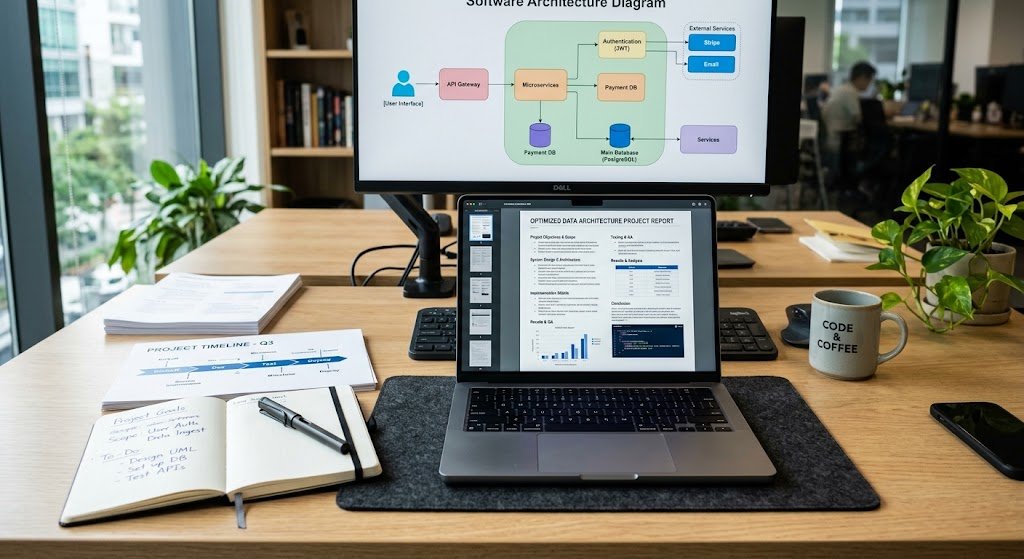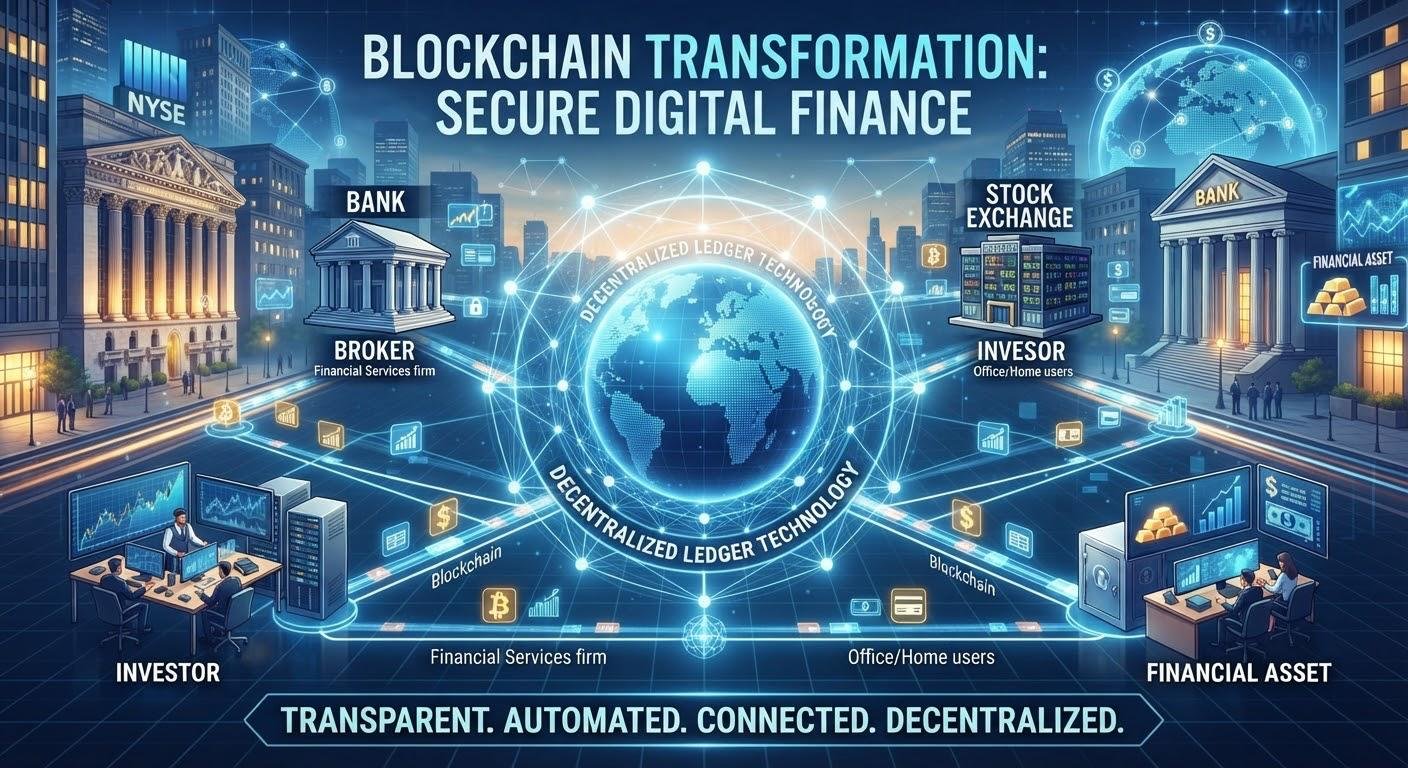
It is not about the device in your hands; it’s about the invisible strands that connect them all together into a seamless and productive ecosystem. The backbone of this change is the complex framework of data communications, enabling smooth data transfer between different physical and virtual locations. The intricacies of today’s complex world can only be fully understood by immersing oneself in the realm of specific types of Computer Networks that are used to send a text message, or to trade stocks with an algorithm on a global financial market. In broad terms, these networks can be distinguished according to the geographical dimension, the technology used and the particular administrative objectives. Professionals and students alike need to be aware of these differences, as it is the basis of the knowledge they will need when working in an environment where connectivity equals productivity. Both types of networks have their own specific purposes, whether in a smart home or a sprawling internet network, each type is engineered to function optimally for its intended users, enhancing data transmission, security, and usability.
Personal Area Network (PAN)
In the Individual Ecosystem, the Personal Area Network (PAN) serves as the primary focus.In the Individual Ecosysytem, the main focus is the Personal Area Network (PAN). The closest type of network is called a Personal Area Network (PAN). This network type is based on the person and is usually limited to a maximum of 10m. In the modern day and age, a PAN can include a smartphone equipped with a pair of wireless earbuds, a smartwatch, and a tablet. The key objective of a PAN is to deliver a smooth and intuitive data synchronisation experience on personal devices, without requiring heavy infrastructure or power consumption. This network is driven by various technologies such as Bluetooth and Zigbee, which are capable of transmitting signals at low energy levels, conserving battery power, and ensuring reliable connections. Their use has exploded with the advent of the “Quantified Self” movement and wearable technology, whereby health numbers are fed from a variety of wrist-worn sensors to a mobile application, which provides real-time analysis.
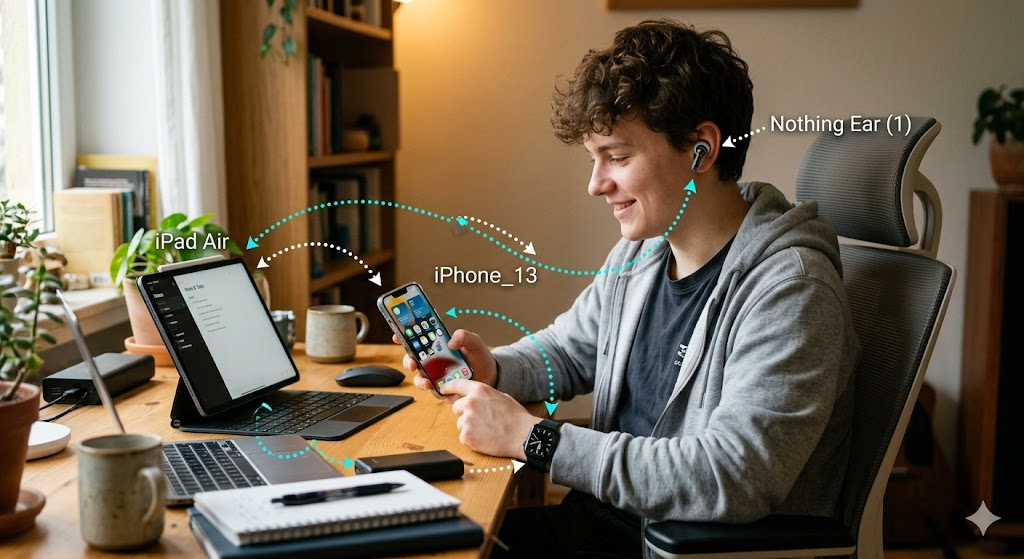
At work, PANs enable a ‘cord-free’ workspace, improving mobility and eliminating the clutter of cables. For example, a graphic designer could connect their primary workstation to a wireless stylus, keyboard and mouse using a PAN to enable a more ergonomic and flexible creative process. The security features of current PANs go beyond convenience, with the more advanced models providing full protection for sensitive data exchanged between personal devices, including biometric data and private communications. With the emergence of the Internet of Things (IoT), the PAN is becoming the essential “last inch” of connection that allows our most personal technology to be part of a greater whole without losing control or efficiency.
Local Area Networks (LAN): The foundation of organizations
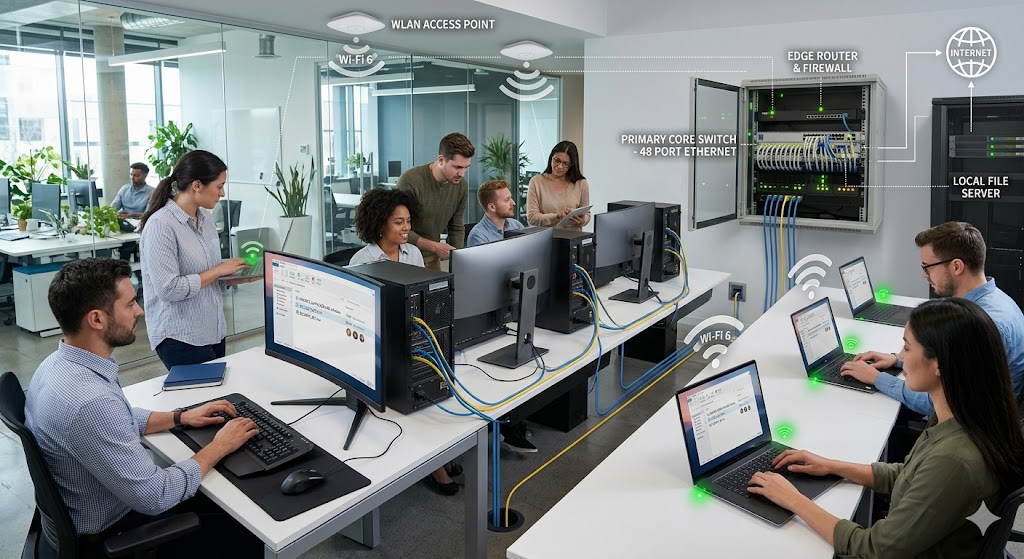
A PAN is designed for one person, whereas a Local Area Network (LAN) is designed for a group of people in a relatively small geographical area like a home, school or office building. LANs typically have high data transfer rates and low latency (delay) periods, mainly due to the short distance that the data has to travel. In the past, LANs were constructed with Ethernet cables and offered a sturdy and dependable connection for desktop computers and servers. The LAN has evolved, though, with high-speed wireless connections and the emergence of a hybrid network that combines mobility with the raw speed of wired backbones. It’s the LAN that’s the silent force in the modern office, providing access to printers, file servers, and local communication portals that don’t always require an outside internet connection.
The LAN provides the foundation for the digital classroom in an educational environment. It lets teachers assign digital assignments to all students’ laptops at once and enables students to work on the same documents in real time. Being a centralized LAN, the IT departments can put in place strict security policies, firewalls and content filters to safeguard users from the external threats. Also, LANs are cost-effective and can be operated by small businesses that must connect several workstations, but don’t want to spend huge amounts of money on a wide-area network. The LAN delivers a private high-speed data exchange environment which means that operations within the LAN are fast, secure and very manageable, even if the ISP is not very high quality.
Wide Area Networks (WAN): Bridging the Global Divide
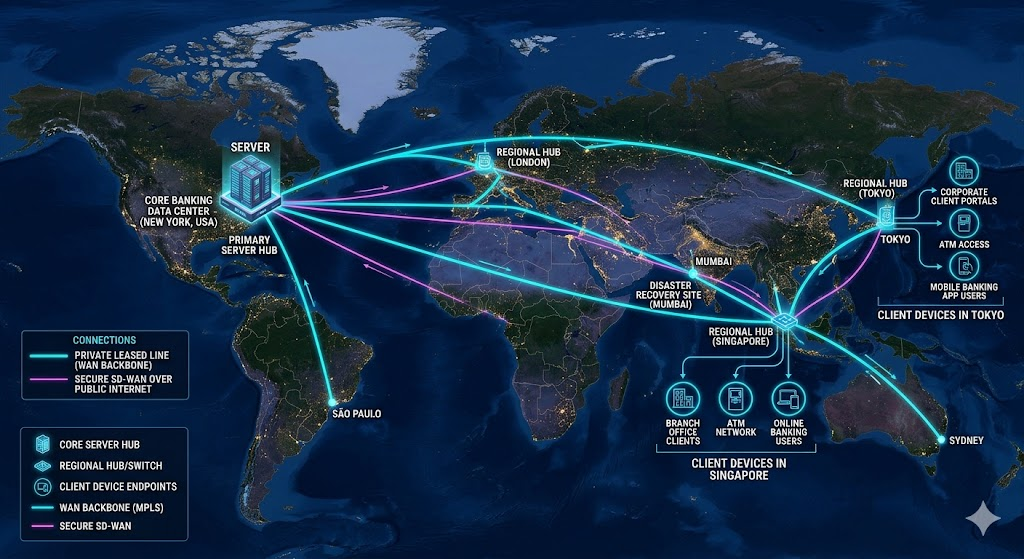
If a network must cover an extended geographic area, such as extending across cities, countries and even continents, it becomes a Wide Area Network (WAN). The Internet, of course, is the most popular and expansive WAN. In contrast to LANs, which are typically owned and managed by a single entity, WANs are often made up of a number of interconnected leased lines, satellite links and fiber-optic cables owned and managed by many different providers. One of the key problems of a WAN is the latency and data loss that can result from long distances. To overcome this, there are sophisticated routing protocols and hardware – like high-capacity core routers – that help to ensure that data packets travel the most efficient route from a server in London to a smartphone in Tokyo. It is the WAN that makes global commerce and international communication a reality in the 21st century.
The most noticeable uses of WANs are in the operations of multi-national companies. To prevent fraud and ensure regulatory compliance, a bank, with its headquarters based in New York, has to be able to synchronise its financial books and records with its Singaporean and Swiss branches in real-time. This is done by either establishing a Private WAN or a Virtual Private Network (VPN) on top of a public WAN infrastructure. In public services, WANs can be used to connect national healthcare systems, so a doctor in a remote rural clinic will be able to instantly access a patient’s specialist records from a city hospital. WANs are typically slower than LANs, as they often span large distances, and can be more complex and expensive to maintain, but they have been the greatest technological triumph of our times in terms of their ability to create a single integrated, digital space out of the physical landscape of Earth.
Metropolitan Area Networks (MAN): The City’s Digital Pulse
The Metropolitan Area Network (MAN) is located between the LAN and WAN. A MAN is a broadband connection that spans a larger geographical area than a LAN, but smaller and more specific than a WAN as the name would indicate, a MAN could be a whole city or a large university campus. MANs are typically deployed to link two or more LANs together within a city, and are often built using fiber-optic cables installed under the streets of the city. It’s usually operated by municipal authorities or a big telecom provider for the public to use in order to link up government offices or for city-wide use such as lighting or public surveillance equipment. The MAN provides a high speed “bridge” for data exchange with local high performance without the complexities of global routing.
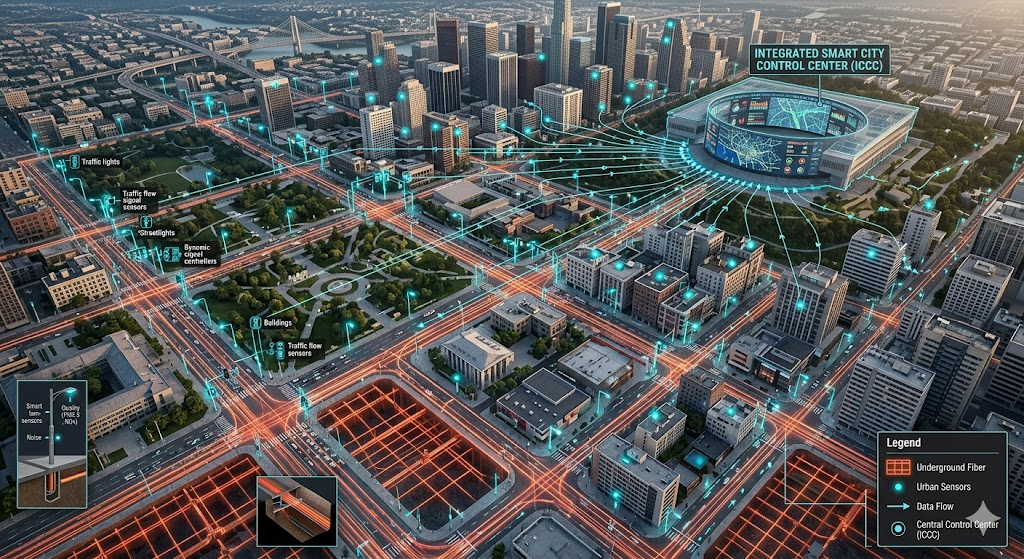
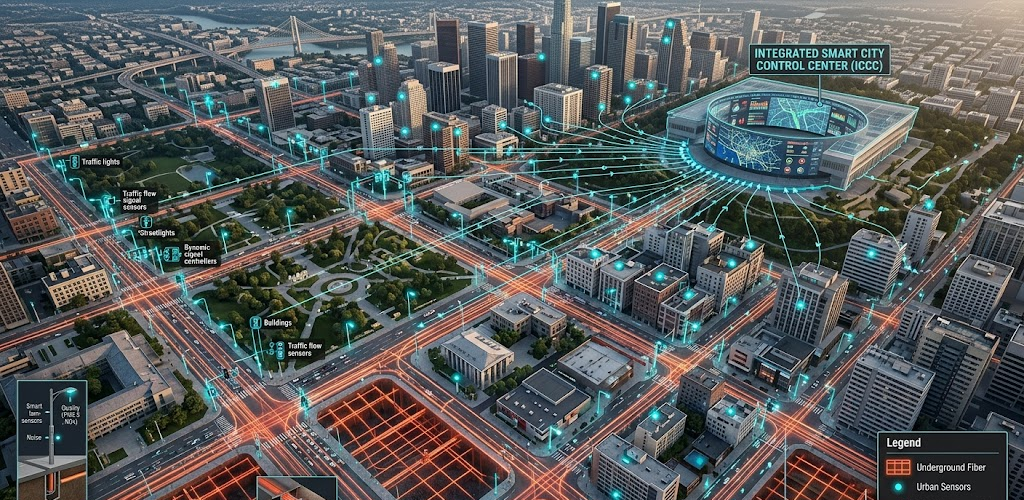
One of the most important real-life examples of a MAN is the “Smart City” projects now being developed around the world. In a smart city, a number of sensors are installed in the urban infrastructure to gather information regarding the state of the atmosphere, traffic and energy consumption. This data is then transferred over a MAN to a central control center, which uses AI algorithms to analyze the data and provide real-time optimization of public services. For instance, a MAN can have the traffic lights turn to “green” when an ambulance is moving down the road, thus speeding up the response time. A MAN can offer a “smart city” with high-speed Internet connectivity throughout a downtown area, which can enhance the quality of urban life and the development of a digital economy for residents. The MAN targets the unique needs of a metropolitan area, and achieves a level of integration and speed that a global WAN can’t do at a local level.
Storage Area Networks (SAN): The Data Powerhouse
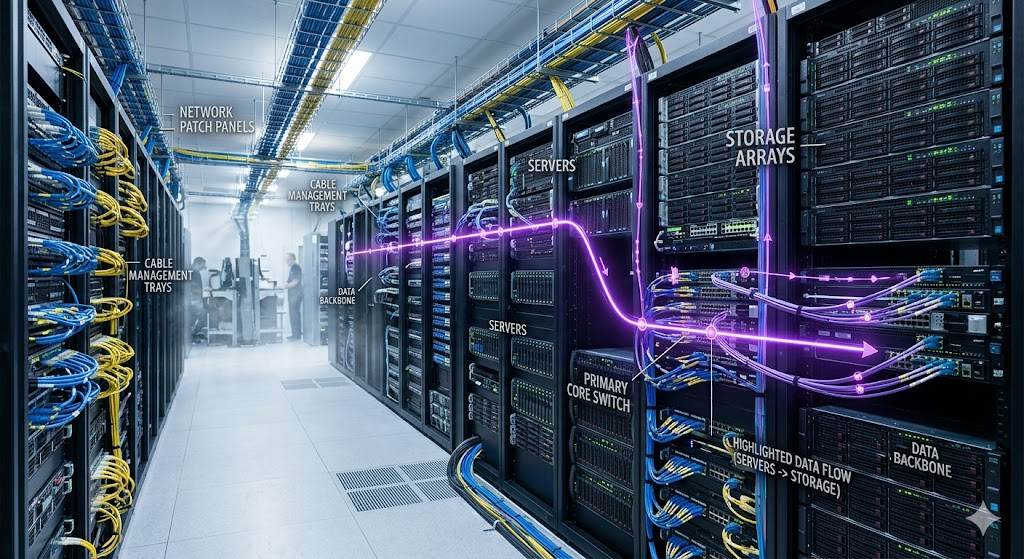
Behind the high volume of big businesses and data centers, there is a specific type of network called the Storage Area Network (SAN). A SAN is different from traditional networks which are used to communicate between users, specifically because it is used to deliver high-speed access to large blocks of data storage. It brings servers and data storage devices together, enabling the data storage devices to be viewed as local drives to the operating system. This is very important for high performance applications such as large databases, video editing suites and virtualization environments, where data retrieval speed is a major constraint. This enables organizations to offload storage traffic from the main LAN to a dedicated SAN, preventing a performance degradation of the LAN from heavy data backups or database queries used by their employees during the day.
SANs are most widely used in the media and entertainment sector. Imagine a movie studio that is producing a high-definition feature film; the amount of raw video data is so large it can’t be managed easily. A SAN enables the simultaneous access to the same high resolution files, without lag, by multiple editors from a common storage pool, thus offering a streamlined post production process. SANs are used in the financial industry as the “High Availability” that mission-critical systems need. Data is not stored on the physical hard drive of each server, and if one server fails the data will be taken over by another one instantly. This level of redundancy and performance enables today’s digital services to run with 99.999% uptime and keep our digital world never offline.
Cloud Networks: The Virtual Frontier
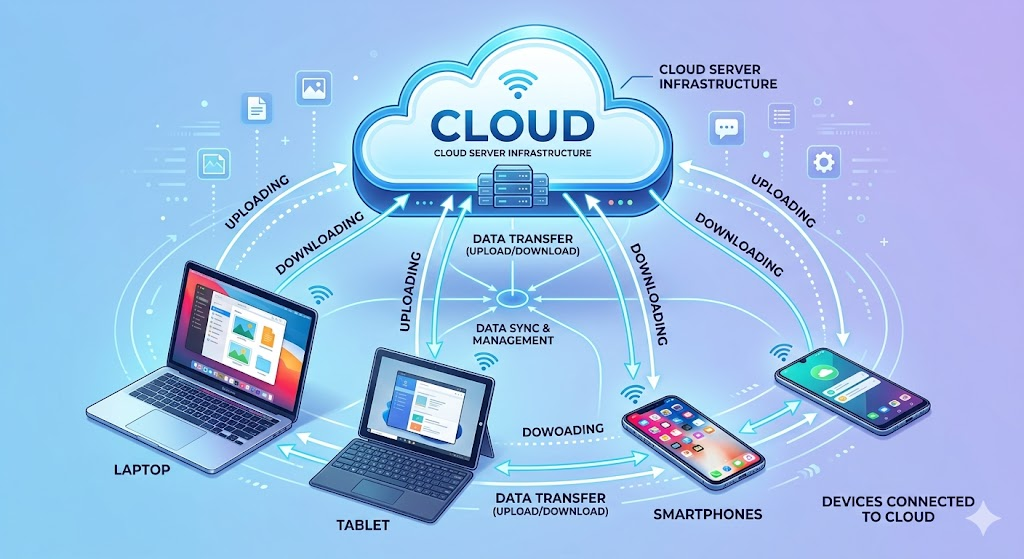
Cloud Network is the latest and possibly most disruptive development in networking. Traditional networks are used with physical hardware and cables, whereas a cloud network is a virtualized network on top of the physical network. It enables users to rent computing resources (including computing servers, storage and applications) through the internet on an as-needed basis. Cloud networks are public (available to all), private (available only to a single organization), or hybrid (combination of both). One of the strengths of cloud networking is its elasticity; that is, capacity can be increased or decreased in seconds when it is needed, but would take weeks or months on physical hardware. This has led to high level computing becoming more widely accessible, and made it possible for small startups to work on the same level of infrastructure as Fortune 500 companies.
The most familiar services in everyday life are powered by cloud networks. If you stream a movie on a popular streaming platform, you’re accessing a large cloud network where the video data is optimized for where you are and how fast your connection is. In healthcare, cloud networks can store vast amounts of genomic data that can be shared and studied collaboratively by researchers worldwide. In the realm of education, platforms such as Google Workspace or Microsoft Teams leverage cloud networks to create a continuous, shared workspace that enables students to collaborate on tasks across various devices from any location with an internet connection. Cloud networking is a paradigm change from owning to accessing technology, and it’s reshaping our digital lives to be more mobile, collaborative, and resilient than ever before.
Wireless Local Area Networks (WLAN) and the Rise of Mobility
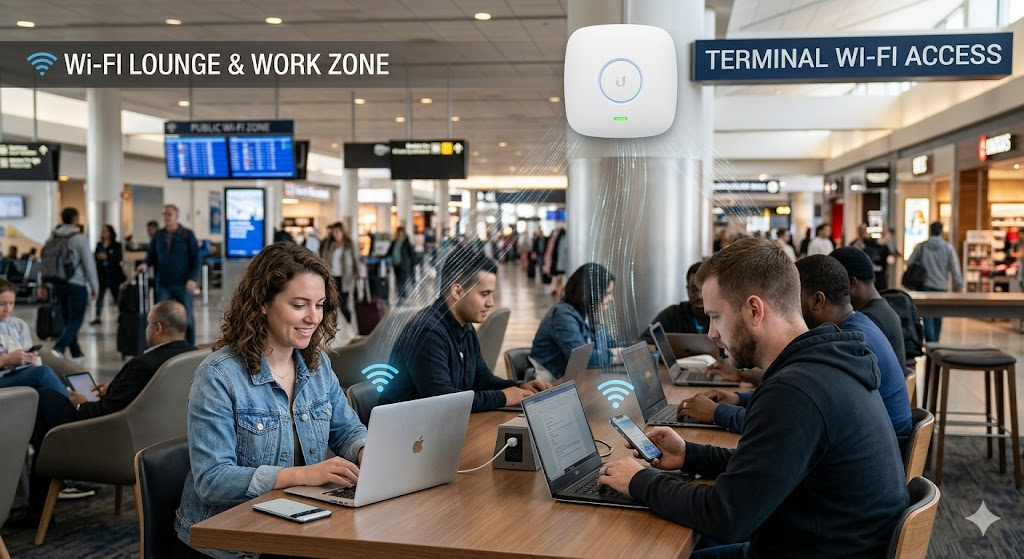
Wireless Local Area Network (WLAN) is basically a LAN that utilizes wireless innovation to join gadgets, mainly Wi-Fi. WLANs have had an impact on people’s everyday life that cannot be underestimated, effectively freeing them from their desks. A wireless LAN is a LAN in which data is carried by radio waves from one device to a central access point that is linked to a wired network. Today, WLANs have become the norm for homes, coffee shops, airports and modern offices. This convenience is accompanied by its own set of difficulties, however, such as signal disturbance and security. The data also needs to be transmitted over the air, and thus more vulnerable to interception than data that travels via a physical wire, which requires the use of advanced security protocols such as WPA3 to protect user privacy.
In retail, WLANs have transformed the customer experience and improved the efficiency of the point of sale.For retail, WLANs have transformed the customer experience and increased the efficiency of the Point of Sale. Guest Wi-Fi can be leveraged to give consumers special offers or navigation services via a mobile phone app in the store. On the operational side, workers in the warehouse can use the handheld scanners wirelessly linked with WLAN to keep real-time inventory information, significantly improving the efficiency of the supply chain. For guests in the hospitality sector, a strong WLAN can be a major priority, enabling them to remain connected with work and family whilst travelling. While wireless technology evolves and new standards like Wi-Fi 6 and Wi-Fi 7 become available, the difference between wired and wireless technology is getting smaller, with the WLAN being the main means of connectivity for most people all over the world.
Network Security: Protecting the Connected World
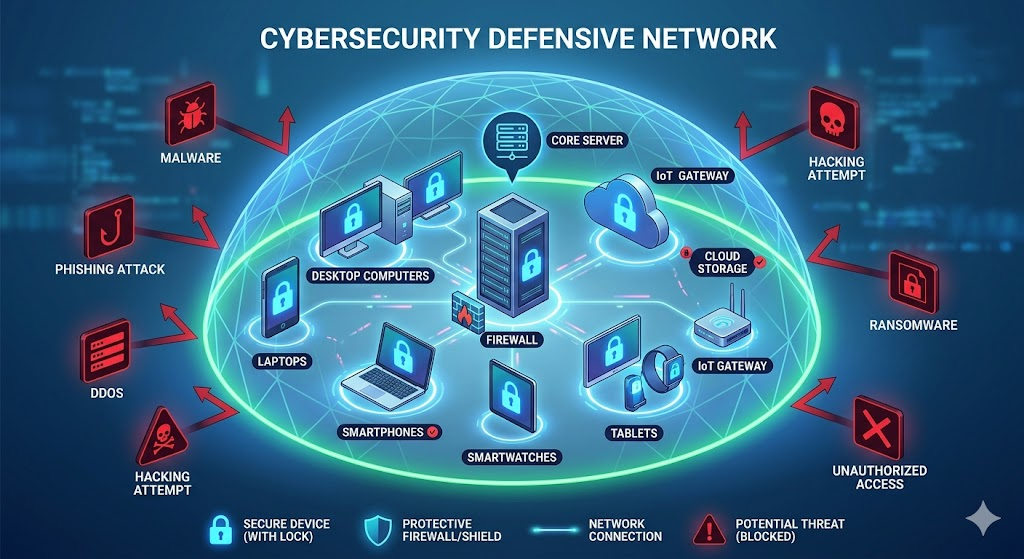
With the evolution of different types of networks being used in every aspect of our lives, the need for network security has also increased tremendously. Networks, whether PAN or WAN, can be a target for cyberattacks including data breaches, ransomware and Distributed Denial of Service (DDoS) attacks. These networks should be protected in multiple layers, including both hardware (firewalls, intrusion detection systems, etc.) and software (antivirus, encryption, etc.) and human protocols (two-factor authentication, multi-factor authentication, etc.). The security compromise on a LAN could lead to the loss of the proprietary, intellectual property, and the security compromise of a cloud network could potentially expose the personal data of millions of customers. This means network administrators are always on their guard, keeping systems up to date and being vigilant in traffic monitoring for abnormalities.
The practical impact of a network security is manifested most in the critical infrastructure of a country. Specialized industrial networks control power grids, water treatment plants, and transportation. However, if these networks are hacked, the lives of the people are in danger. This has given rise to niche areas such as cybersecurity engineering, where engineers are tasked with “hardening” networks to make them more resistant to state-sponsored adversaries and to independent hackers. The average consumer’s definition of network security is about “digital hygiene” – using strong passwords, maintaining software updates and staying away from public Wi-Fi networks. With the increasing dependency on networks, the “arms race” between network defenders and attackers will remain one of the greatest challenges of the digital age, and will continue to demand innovation and cooperation between different nations.
Future Trends: 5G, 6G and Edge
Computer networks are a dynamic environment, with a number of significant changes coming in the near future. The first is the broad proliferation of 5G technology that fuses cellular networks and traditional WANs/LANs. The biggest advantage is that 5G will deliver speeds comparable with fiber-optic lines — and most importantly, extremely low latency that is critical to future technology such as autonomous vehicles, remote robotic surgery, and more. Immediately following that is the notion of “Edge Computing,” which brings the processing to the “edge” of the network and away from back to the cloud. This reduces latency even further and is crucial for real-time applications where every millisecond counts, such as high-frequency trading or augmented reality (AR) gaming.
Further up the road, scientists are even starting to identify 6G standards to connect terrestrial networks with satellites to create global, high-speed coverage even in the most isolated parts of the world. In addition, the rise of “Intent Based Networking” (IBN) where artificial intelligence is used in the automatic configuration and management of networks based on high-level business intent, that reduces the need for manual configuration and minimises human error, is also a trend that we are seeing. They will continue to shape our daily lives with more and more invisible and more intuitive technology. As the physical and digital worlds further converge, the networks that enable them will be the “nervous system” of our global society, and will enable a new era of unprecedented connectivity and innovation, one that we are only starting to envision.
Conclusion
The importance of networking in the society of today is finally highlighted in the conclusion.The conclusion emphasizes the essential nature of networking in today’s society. To sum up, the different network types—PAN, LAN, WAN, MAN, SAN, and Cloud—make up a complex and integral hierarchy that enables the whole of our modern digital life. Whether it’s sending a message from a cell phone, handling a worldwide supply chain, or any number of other tasks that rely on networks, these systems have become the backbone of our modern world. They’ve empowered businesses to communicate with customers on the other side of the world, revolutionized education via collaborative digital platforms and transformed healthcare with remote diagnostics. As we’ve seen, every network type serves a particular purpose and at a particular scale, but all of these types can be combined into a seamless end-user experience.
Emerging knowledge of these networks is no longer restricted to the domain of the IT specialist; it’s a key component of digital literacy for all of us. In an era of AI, the Internet of Things and hyper-connectivity, we will be successful as individuals and as a society if our networks are of high quality and secure. An understanding of the theory behind these technologies and how they are applied in the real world will help us to adapt to the challenges and opportunities of the future. Since the first networked computers were created, this has been one of the most dynamic and positive eras in human history and the future of networking is set to continue to be even more transformative. As we continue to innovate and work towards reliable, accessible connections, these networks can remain a conduit to an informed, productive, and connected world.