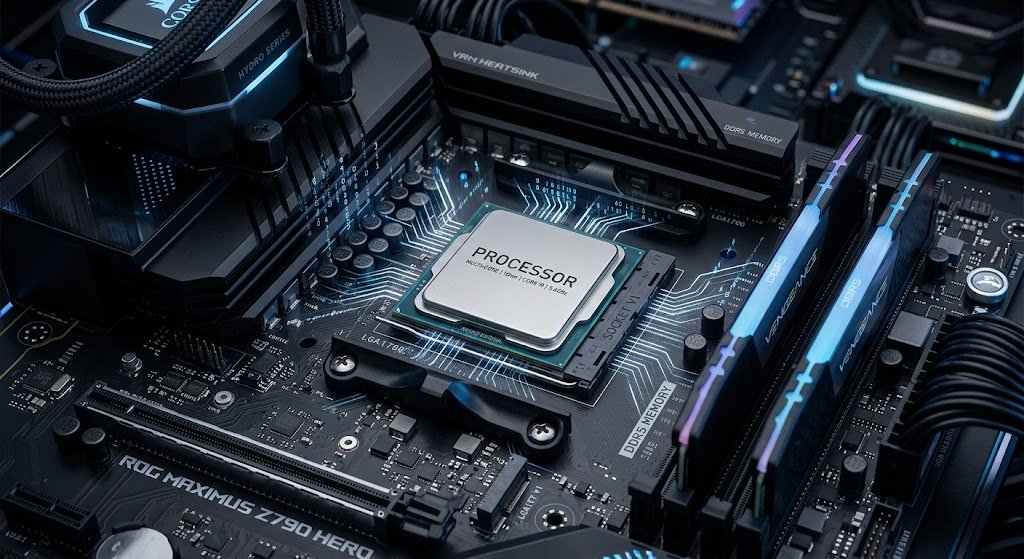
Computer network systems have become the backbone of virtually all digital activities, both in browsing the internet and in managing large-scale business activities. Such networks enable various appliances to interact, share resources, and access information effectively. Learning about the elements, varieties and uses of computer networks is crucial to students, computer enthusiasts, and professionals who need to understand the operation of the modern communication systems. This paper gives a background discussion on computer network systems, the important devices used in the systems, the common types of networks, and their practical uses.

What Are Computer Network Systems?
A computer network system is a group of interconnected computer devices, including computers, servers and routers, who communicate with each other to exchange data, share resources and support collaborative work. The size and complexity of these networks can be varied, with a simple home network with a few devices being simple and in contrast a massive global network such as the internet being complex. In its simplest terms, a network is used to ensure information can flow smoothly between one gadget and another, which can be used to send emails, videotexts, access cloud applications, and execute enterprise software.
The main idea of a computer network is to enhance efficiency as the multiple devices could share resources, including printers, storage, and internet connection. It also allows centralized control of data, improved security with controlled access, and scalability to support growing organizations. Contemporary networks are based on a set of hardware, software and communication protocols to ensure a reliable and secure connection over both local and global distances.
Important elements of Computer Network Systems
Computer networks are composed of a number of key elements, which have been integrated to provide smooth communication and data transfer. These elements are important to anyone who is studying network systems.
1. Routers
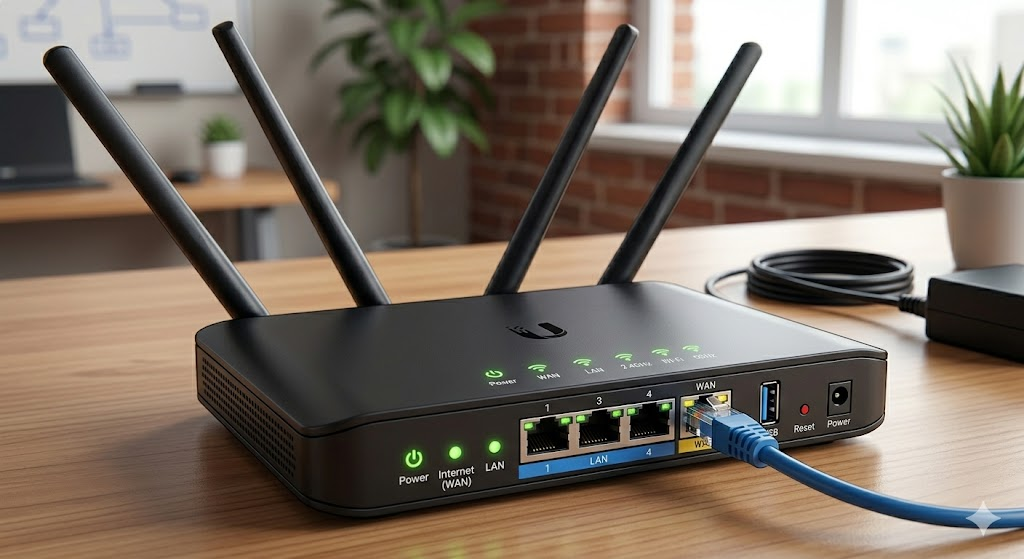
Routers are gadgets that control the movement of data across various networks. They are traffic controllers, who decide how best data can take off, to its destination. Routers are used in homes to connect various devices to the internet and in large organizations, they are used to communicate between the local networks and the external networks. Some of the features that routers include are firewalls, network address translation (NAT), and wireless connectivity which not only increase security, but also ease convenience. This smartness in traffic direction is crucial in avoiding congestions within the network as well as in the timely delivery of information to the appropriate device.
2. Switches

Switches are the main point of a local network whereby several devices like computers, printers and servers are connected. Switches, unlike routers, which are used to direct the flow of data between networks, they actually deal with internal communications within a network. They work by accepting incoming data packets and only sending them to the device to which the data is being sent. This focused solution enhances the efficiency of the network and minimizes the needless data movement. The network administrators can monitor and configure the network performance using managed switches which makes them at the same time indispensable in both enterprise and educational networks.
3. Servers

Servers are rugged computers that work to serve and supply services and resources to other computers in the network also called clients. Depending on their function, servers can host websites, manage databases, store files, or control email communications. In contrast to normal personal computers, servers are designed to perform with high performance and 24/7 availability. Organizations typically use servers to consolidate vital data, promote cooperation and also develop security measures. To give an example, a file server will enable employees to access shared documents, whereas a mail server will help manage the email system of the organization efficiently.
4. Clients
Clients are machines that connect to resources or services offered by servers. These can include desktop computers, laptops, smartphones, or tablets. In a client server network model, the client is requesting some data or services and the server gives back to the client by sending the resources needed by the client. Clients are very important in facilitating users to communicate with applications, access information, and do tasks without necessarily having direct access to the underlying infrastructure. This is because to effectively design and troubleshoot network systems, understanding the client-server relationship is essential.
5. Network Media
Network media is the physical or wireless medium, through which data is passed across devices. This encompasses Ethernet cables, fiber optic cables and Wi-Fi signals. Wired connections are fast and can be trusted with communication, whereas wireless networks are adaptable and mobile. The choice of network media depends on factors such as distance, data transfer requirements, and environmental conditions. An example is fiber optics, which are suitable when it comes to long distances such as homes and offices because they are high bandwidth and low signal loss.
Computer Network System types
Computer networks may be divided in terms of their size, their geographical area, and their intended use. All types have their own purposes and can be adopted in particular conditions.
1. Local Area Network (LAN)
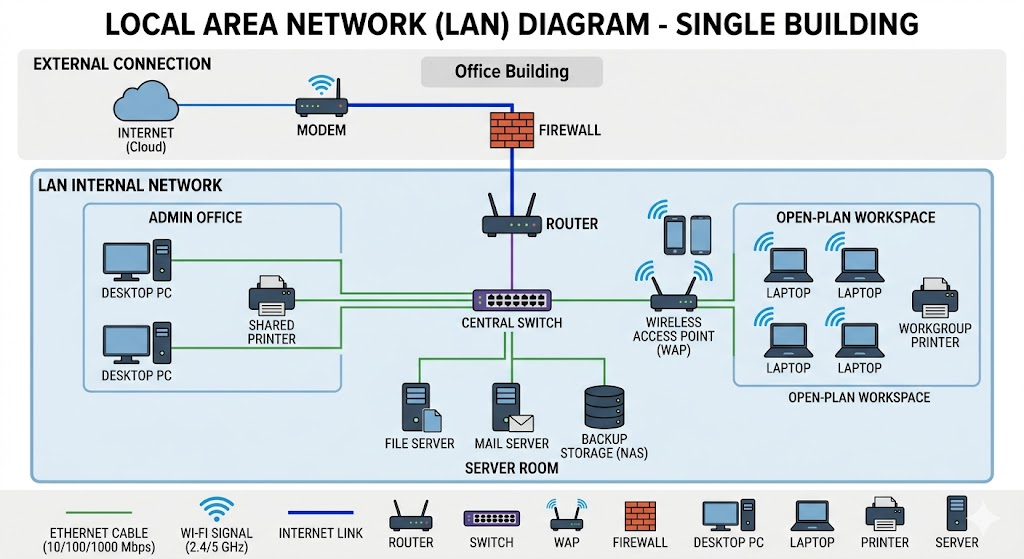
Local Area Network (LAN) is a network which links devices in a small geographical area, like a home, school, or office building. LANs are widely employed in sharing files, printers, and internet connections amongst the devices that are connected. The main advantage of a LAN is that it can transfer data at high speed hence making the communication process among the devices in close range smooth. LANs may be wired or wireless and may be controlled by switches and routers to ensure the best performance and security.
A LAN can be used in any educational institution, such as, to allow students and teachers to share common resources, to submit assignments online, and to efficiently participate in collaborative projects. LANs are used by businesses to simplify internal communications, manage a centralized database and eliminate the need to have individual hardware resources available on each workstation.
2. Wide Area Network (WAN)
Wide Area Network (WAN) is a geographical area that is very wide and that links various LANs in different cities, regions, or even countries. WANs commonly use common communication facilities like the internet or leased lines to support long distance data communication. WANs are critical in multinationals, government and international organizations due to the wide coverage.
To illustrate, a WAN can be used in the following ways: A corporation with its offices in Lagos, Abuja, and Port Harcourt can use a WAN to maintain real-time communication and synchronize databases and coordinate projects across locations. To provide secure and efficient transmission of data over long distances, WANs tend to involve more sophisticated hardware, such as routers, modems, and special network protocols.
3. Metropolitan Area Network (MAN)
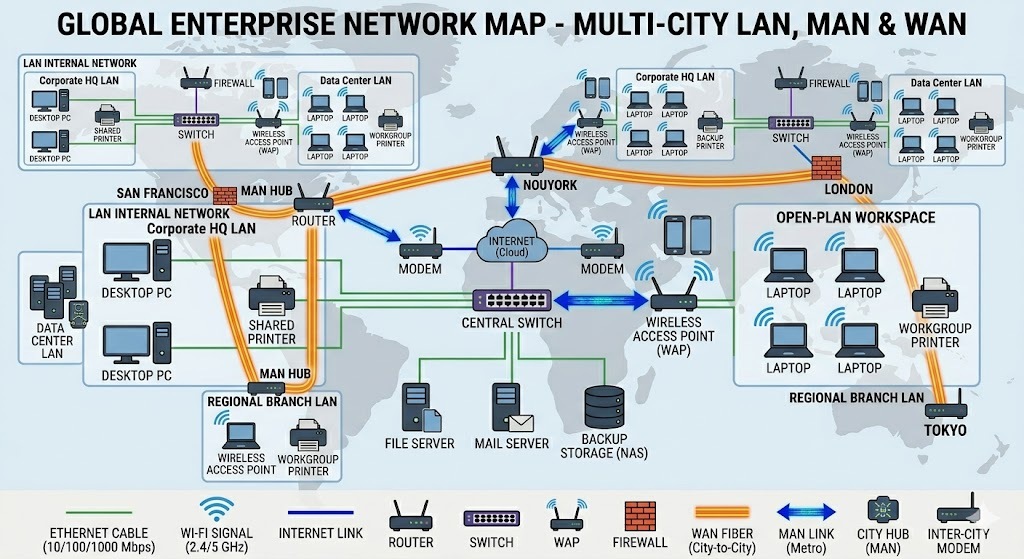
A Metropolitan Area Network (MAN) is a network solution that is larger than a LAN but smaller than a WAN and covers an area of a city or metropolitan area. Government bodies, universities, and large enterprises are typical users of MANs that connect two or more LANs within a metropolitan area. In MANs, high-speed networking equipment and fiber optic cables are generally used to provide fast and reliable communication.
The city-wide network linking government offices, hospitals, and educational facilities, where data sharing, video conferencing, and coordinated services can be provided, is an example of a MAN. MANs fill the gap between LANs and WANs and ensure high-speed connectivity over a specified geographical area whilst maintaining the efficiency of the network.
Applications and Advantages of Computer Network Systems
Computer network systems are not just important because they offer connectivity. They offer a variety of functions and benefits that can make companies more productive and enhance digital experiences of people.
- Resource Sharing: Networks enable many devices to share hardware (printers, scanners) as well as software (applications, databases) and reduces the operational costs.
- Data Communication: Networks can be used to conduct quick and reliable communication via emails, instant messaging and video conferencing.
- Centralized Data Management: Having information stored on servers enables centralized control, enhancing the data security, backups, and accessibility.
- Scalability: Networks can be scaled as organizations increase, and can add new devices or branches without affecting the current operations.
- Increased Security: Network systems facilitate firewalls, encryption, and user authentication, which makes sure that confidential information is secured.
- Remote Access: Modern networks, particularly WANs and cloud-enabled systems, enable remote users to access resources securely regardless of their location in the world.
Combining such functions, network systems facilitate a smooth workflow, collaboration, and innovation at both personal and professional levels. As an example, computer networks have become inalienable during the COVID-19 pandemic because people were forced to use networks to support remote work, virtual learning, and online transactions.
Practical uses of computer network systems in the real world
The application of computer network systems is also very broad with applications that touch nearly all areas of modern life. Learning these applications will enable novices to value the importance of networks in the current digital world.
- Educational Institutions: LANs and MANs are used by educational institutions to manage the information about students, online learning platforms and internal communications.
- Healthcare: Hospitals use networks to store records of patients, share diagnostic data, and run the telemedicine service effectively.
- Business and Finance: WANs are used by companies to interconnect branches, carry out financial transactions, and coordinate supply chains, worldwide.
- Government Services: Governments use MANs and WANs to provide services, maintain databases, and enable communication between departments.
- Entertainment and Media: Streaming services, online gaming, and content delivery networks rely on high-speed networks to ensure smooth delivery of media content.
The fact that network systems have been integrated into these industries and have been shown to transform the way these organizations operate, how they handle and communicate with customers, and how they make decisions in real time is evidence of their transformative power.
Conclusion
To conclude, computer network systems are the lifeblood of contemporary digital communication. Networks form the basis of the technological infrastructure of homes, businesses, and governments all over the world. The identification of the major components of networking, which are routers, switches, servers and clients, and the types of networks that can be discussed, namely, LAN, WAN and MAN, offer a good background upon which anyone wishing to explore the field of networking can build on.
With the further development of technologies, the role of computer networks gains even greater importance, and therefore the innovations of cloud computing, the Internet of Things (IoT), and smart cities should be supported by them. A properly designed network does not just enhance efficiency but it will enable users to communicate, collaborate and access information without any problems. The initial step in the process of entering the digital revolution that defines the world in which we live today is to master the basics of network systems.