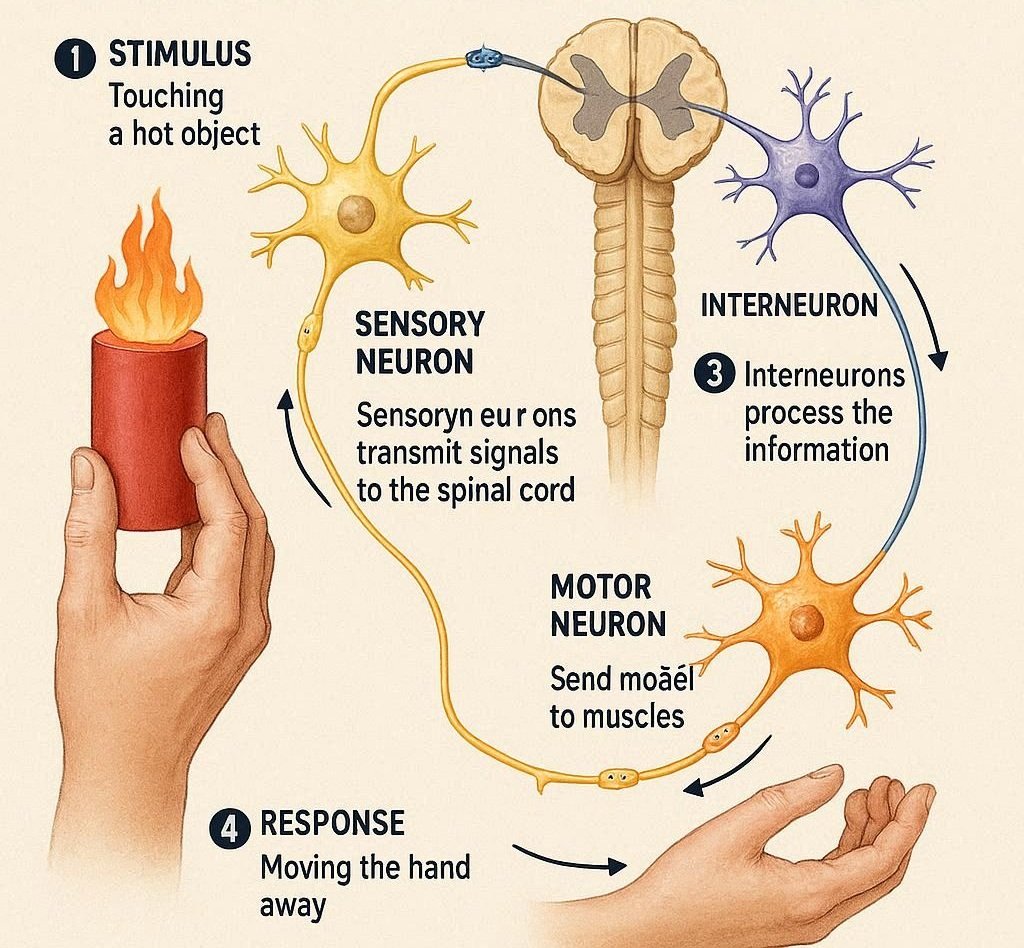
All the moments of human life are based on the possibility to sense the surrounding world, comprehend what is occurring and react accordingly. It could be the feeling of a flame, or hearing something that suddenly occurred, or even becoming aware of some change in light, the body is constantly being fed information and is responding to it. This process can look like a very easy one, yet it is a highly structured system that operates at an unbelievable speed. The nervous system is the centre of this system and coordinates the detection of stimuli, the processing of information and generation of responses. Learning to interpret the process by which the body recognizes stimuli is the initial step in appreciating the way the whole system operates. Every step is important in ensuring that the body is in a state of awareness, responsiveness, and safety in an ever-changing environment.
Knowledge in Stimulus and Sensory Detection
A stimulus is any alteration of internal or external surroundings which could be perceived by the body. This may consist of physical factors like heat, cold, light, pressure and sound or internal factors such as hunger, pain or changes of body temperature. The mechanism of the way the body perceives stimuli starts with special sensory receptors which are situated throughout the body. These receptors are programmed to react to particular form of stimuli and transform them into electrical signals that can be decoded by the nervous system.
An example of this is the receptors on the skin, which are able to sense temperature and pressure, or the receptors in the eyes, which are able to detect light and those in the ears, which detect sound waves. The stimulus perceived by these receptors will cause electrical impulses to travel along sensory neurons to the central nervous system. This process of converting physical or chemical stimuli into electrical signals is called transduction and is a key process in making sure that the brain is able to make sense out of what is happening in the environment. Without this power to detect and translate stimuli, the body would not be able to effectively respond to its environment.
Passage of Signals to the Central Nervous System
After the stimulus has been detected, the next thing is to transmit the signal to the central nervous system which is composed of the brain and the spinal cord. These electrical impulses are transmitted by sensory neurons between the receptors and the spinal cord and then to the brain. This route is vital in making sure that information to the relevant processing centers is acquired quickly and accurately. The rate at which it can transmit these signals is amazing as it can take just a matter of milliseconds.
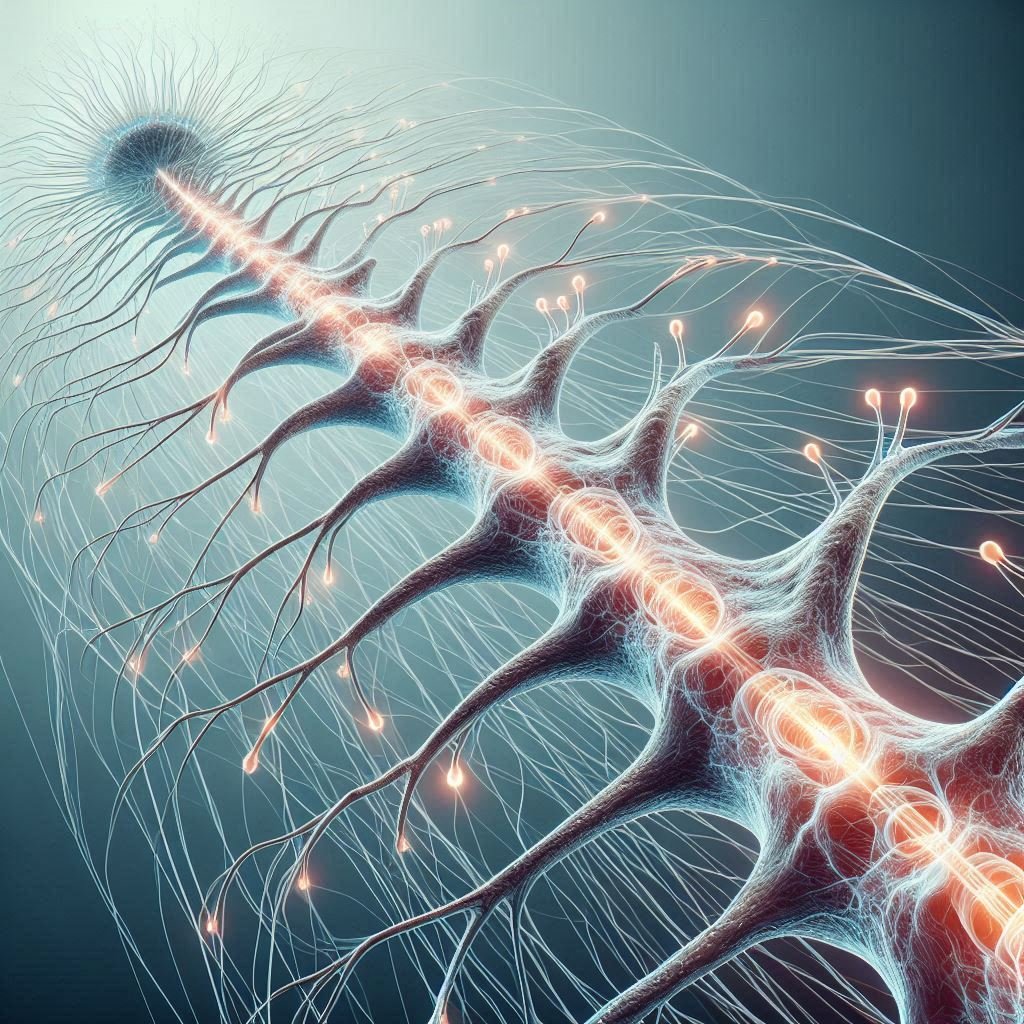
The effectiveness of this transmission is one of the primary elements of the way body identifies stimuli and reacts to them. An example of this is when you come in contact with a sharp object, the sensory neurons are immediately activated to send signals to the spinal cord and the brain, warning them about possible danger. This fast communication enables the body to prepare a response to the sensation even before the brain has completely interpreted the sensation. The speed and precision of signals transmission are of utmost importance to survival since any delay in signal transmission may lead to injury or harm.
Brain and Spinal Cord Processing of Information
Once the signal has been transmitted to the central nervous system, it is interpreted. The information received by the brain is analyzed by the brain, compared with previous experiences and the most appropriate response is determined. The various parts of this processing are done by different parts of the brain. An example is the sensory cortex which decodes sensory input and other regions which help in decision making and planning of responses.
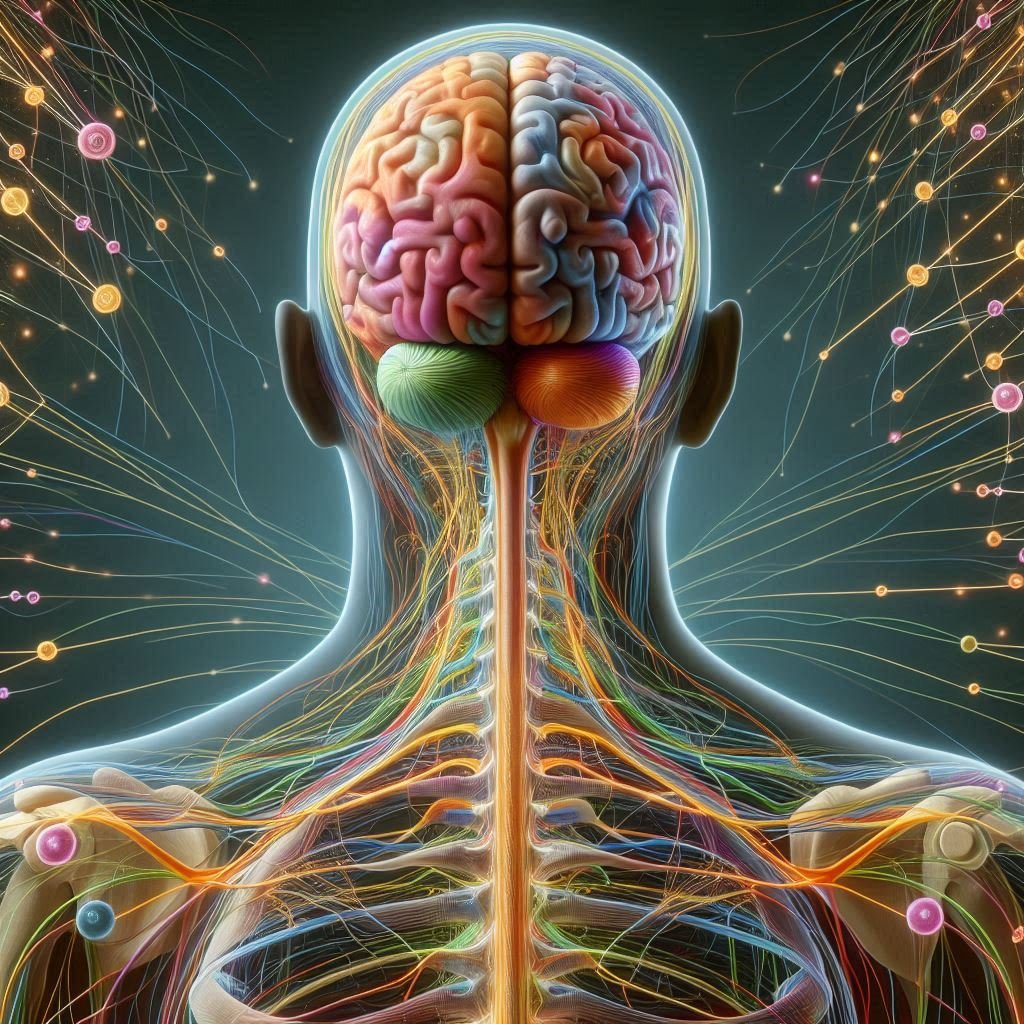
The spinal cord is also vital in processing some forms of information especially in reflexive actions. In other instances, the spinal cord may be able to respond without the brain, and thus be able to react faster. This shows another feature of the way the body picks up stimuli and responds effectively as it focuses on speed in situations where speed is required. Brain and spinal cord processing is the reason the responses are quick and suitable to the situation.
Production of Responses by Motor pathways
After an information has been processed, the nervous system responds with a response through motor pathways. Signals sent by the brain or spinal cord are sent to the muscles or glands that will perform the action. This is the last step in the process of how the body perceives stimuli and gives a response. The kind of response varies depending on the nature of the stimulus and the interpretation that the central nervous system makes.
As an example, when a stimulus is defined as dangerous by the brain, it may cause the muscles to move away as quickly as possible. When the stimulus is harmless, the response can vary in magnitude or not at all. The accuracy of motor pathways makes sure that the right muscles are used and the response is effective and coordinated. In this step, the significance of communication between the central nervous system and the rest of the body in generating an appropriate action is emphasized.
Reflex Actions: A quicker Response System
Reflex actions are a good illustration of how the nervous system may generate quick reactions without conscious thinking. In reflex, the signal passes through the sensory receptor, the spinal cord and directly to the motor neurons bypassing the brain. This enables the body to react practically immediately to what could be harmful stimuli. An example is when you place your hand on a hot surface, your hand is taken away before you can feel the pain.
This process reveals a special route that improves the effectiveness of the way the body perceives stimuli and reacts to danger. Although the brain will still be aware of what is happening, the reflex action will take place first, providing instant protection. Reflexes are critical in survival as they reduce the risk of injury as they are able to respond fast to dangerous situations. They also demonstrate the role of various sections of the nervous system in coordinating to place greater emphasis on speed and safety.
Common Stimulus and Response
Stimulus detection and response is a continuous process in day to day life which in most cases takes place unconsciously. When walking in a crowded place, such as, the body must pick visual and auditory signals, interpret this data, and respond to these actions. In the same way, when you hear your name being called, your auditory receptors detect the sound, your brain interprets this sound and you move your head accordingly.
These illustrations point to the active functioning of how the body perceives stimuli and reacts to them. Even basic activities consist of several stages, namely, detection, transmission, processing, and response. All these stages are smoothly coordinated to enable the nervous system to help human beings to communicate effectively with their surroundings. It is this integration that makes it possible to have complex behavior and this is what makes the body capable of adapting to the changing conditions.
The Significance of Effective Communication
Efficient communication within the nervous system is important in the entire process of stimulus detection leading to response. Neurons need to pass the signals in a fast and precise manner so that the reaction is fast and correct. Any interruption in this communication may cause delays or mistakes in response, which can be disastrous.
It is therefore fundamental to take care of the health of the nervous system so that the effectiveness of the way that the body detects stimuli is not compromised. The right nutrition, sufficient sleep, exercise, and stress management are some of the factors that help the neural pathways to operate optimally. Helping the nervous system, people are able to make sure that their bodies are open and can cope with all the problems in their daily life.
Conclusion
The path of stimulus to response is a complicated and at the same time highly effective procedure that supports all the facets of human existence. Between the first rotation of the nerve system on the first stimulus that is detected by the sensory receptors to the last action performed by the muscles or glands, each of them is well coordinated by the nervous system. The way the body detects stimuli is of great significance in understanding that the body is in a state of interaction with the environment that it is in, and that it is in a state of safety and balance. By means of quick transmission of signals, accurate processing, and synchronized reactions, the nervous system makes sure that human beings can effectively respond to any changes (both internal and external). This extraordinary mechanism underscores the elegance of the human body and the need to uphold its well-being to ensure overall well-being.