
Aging is a normal process but how we handle our health as we age is a significant factor that contributes to our lives in terms of quality and duration. Although aging is an unavoidable process, most of the health risks that come with aging can be prevented or tamed using preventive healthcare. Preventive medical care aims at early diagnosis, frequent check-ups, and maintenance of a healthy lifestyle, instead of waiting until the symptoms get out of hand. This strategy assists people to be ahead of the disease, reduce complications and be independent long into their later life.
The need to know the significance of frequent health screenings is one of the most crucial elements of healthy aging. Most of the age related diseases like hypertension, diabetes, osteoporosis, heart disease, and some cancers are usually silent. These diseases in most instances do not present clear signs during their initial stages and that is why routine screening is necessary. Early diagnosis provides healthcare providers with a chance to act before an ailment deteriorates, enhancing the treatment results and life expectancy. Prevention healthcare is thus not merely the act of going to a doctor when one feels something is wrong; it is about establishing a long-term habit that promotes wellness and minimizes risk in the long run.
Knowing Preventive Healthcare in the Aging Process
Preventive healthcare can be defined as health practices and medical care to prevent illnesses, early detection of risks and minimizing complications in the future. The more the body gets old, the more its systems are susceptible to wear and tear. Metabolism slows down, the immune system is altered, bone density might decrease, and the cardiovascular system becomes more prone to disease. Due to these slow biological modifications, aged people are at a higher risk of developing chronic diseases.
Regular health checkups are particularly important at this stage of life. Regular blood pressure readings, cholesterol, blood sugar, and cancer screenings will reveal abnormalities way before the abnormalities can be felt. An illustration of this is when someone can be in excellent health yet have a high blood pressure that can greatly contribute to stroke. Similarly, the early-stage diabetes can be detected only with the help of regular laboratory tests. These screenings are very informative and can be used to have proactive action on the part of the patient and the healthcare provider.
Vaccinations, mental health check-ins, vision and hearing test, and frequent physical exams are also a part of preventive care. Combined, these steps will form a full-fledged image of the health of a person and reveal possible issues before they can be grave.
The significance of frequent health checkups
Regular health screenings are important because it is possible to identify diseases at an early stage when they tend to be simpler and cheaper to manage. A lot of chronic diseases are worsened in case they are not diagnosed. Diseases such as high cholesterol, high blood pressure and bone loss usually develop without pain or any other overt symptoms. Possibly, complications might have ensued by the time the symptoms emerge.
In the case of older adults, frequent screening is an early detection tool. With blood pressure monitoring, the heart attack and stroke risk are minimized. Pre-diabetes and diabetes can be detected through blood glucose tests before they cause serious problems like impaired nerve conduction or kidney disease. Bone density scans are used to diagnose osteoporosis at an early stage when lifestyle changes or medication could be used to make the bones stronger and decrease the risk of fractures.
Screenings are also important to cancer. Breast cancer screening, prostate cancer screening, cervical cancer screening, and colorectal cancer screening can greatly help in terms of early diagnosis. Early diagnosis of cancer can make treatment more successful and enhance survival.
Widespread Screenings to do at regular ages
Some of these screenings are also required more frequently as an individual gets older as a part of a proactive approach to healthcare. One of the most regular practices is the regular blood pressure checks as hypertension is one of the key risk factors of cardiovascular disease. Cholesterol screening is also necessary to check heart conditions and the blockage of the artery.
Blood sugar tests are important to detect diabetes or insulin resistance at an early stage. Most elderly people experience metabolic alterations leading to a gradual rise in blood sugar levels, and periodic testing can be of great help.
The need to perform bone density testing is particularly pertinent among older adults, especially in women following menopause, because of the risk of osteoporosis and fractures. Optical check-ups are used to identify glaucoma, cataracts and age-related vision impairment and hearing tests are used to maintain communication and independence.
These regular assessments will keep the aging adults updated on their health and will take some action before matters get out of hand.
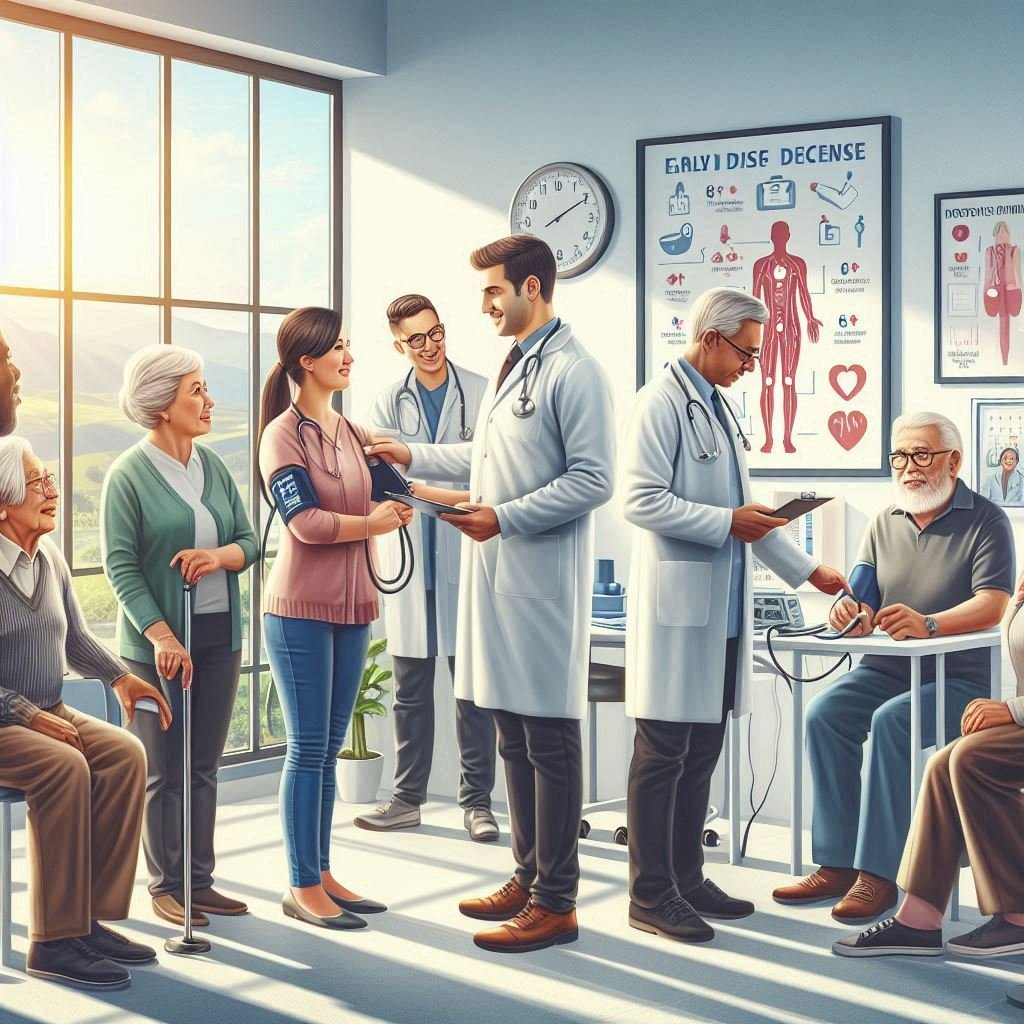
“significance of frequent health check-ups to identify early diseases among the older people”.
Early Diagnosis and Improved long-term outcomes
The best thing about preventive healthcare is that early detection may have better results. Early detection of conditions is normally more effective and less invasive. An individual who has been diagnosed with early hypertension might require only lifestyle changes and light medication but untreated hypertension might turn out to be deadly later on as it might cause strokes or heart failure.
This principle is applicable to cancer, bone health, and diabetes. Preventive healthcare will reduce the degree of future problems, which can greatly enhance quality of life.
Healthcare expenses are also reduced in the long run through early detection. Managing a problem at an early stage is usually much cheaper and less physically challenging to treat than when the problem is already at an advanced stage.
Creating a Preventive Health Care Habit
Consistency is a starting point of a proactive healthcare routine. Physical checkups should also be taken as a routine practice, particularly among the elderly. In such appointments, medical history, risk factors, and age-based, lifestyle, and family-based screening can be reviewed and recommended by health care providers.
Monitoring individual health indicators like blood pressure, weight, sleep quality, and exercise will also help to achieve improved long-term results. Healthy lifestyle practices like exercise, balanced diet, hydration and sleep should also be proactively practiced.
Prevention efforts are more efficient when screening and routine activities are combined.
Lifestyle Choices that promote Preventive Healthcare
Healthy daily habits cannot be achieved without medical care. Nutrition has significant contribution in preventing chronic disease. Vegetarian diets high in vegetables, fruits, lean protein, healthy fats, and whole grains are beneficial to the heart, metabolism, and bone density.
Exercise also keeps the muscles strong, heart rate and blood pressure normal. Even moderate activities such as walking and stretching can greatly reduce age-related health risks.
Sleep and stress management are also imperative. Lack of sleep and constant stress may aggravate blood pressure, immunity, and risk of diseases.
Preventive Care and Life Expectancy
Preventive health care has a direct impact on increasing life expectancy. Those individuals that continuously undergo health screenings and engage in healthy lifestyles tend to have fewer serious complications and improved wellness in the long term.
It is not just to survive but to live longer and stronger and be more independent.
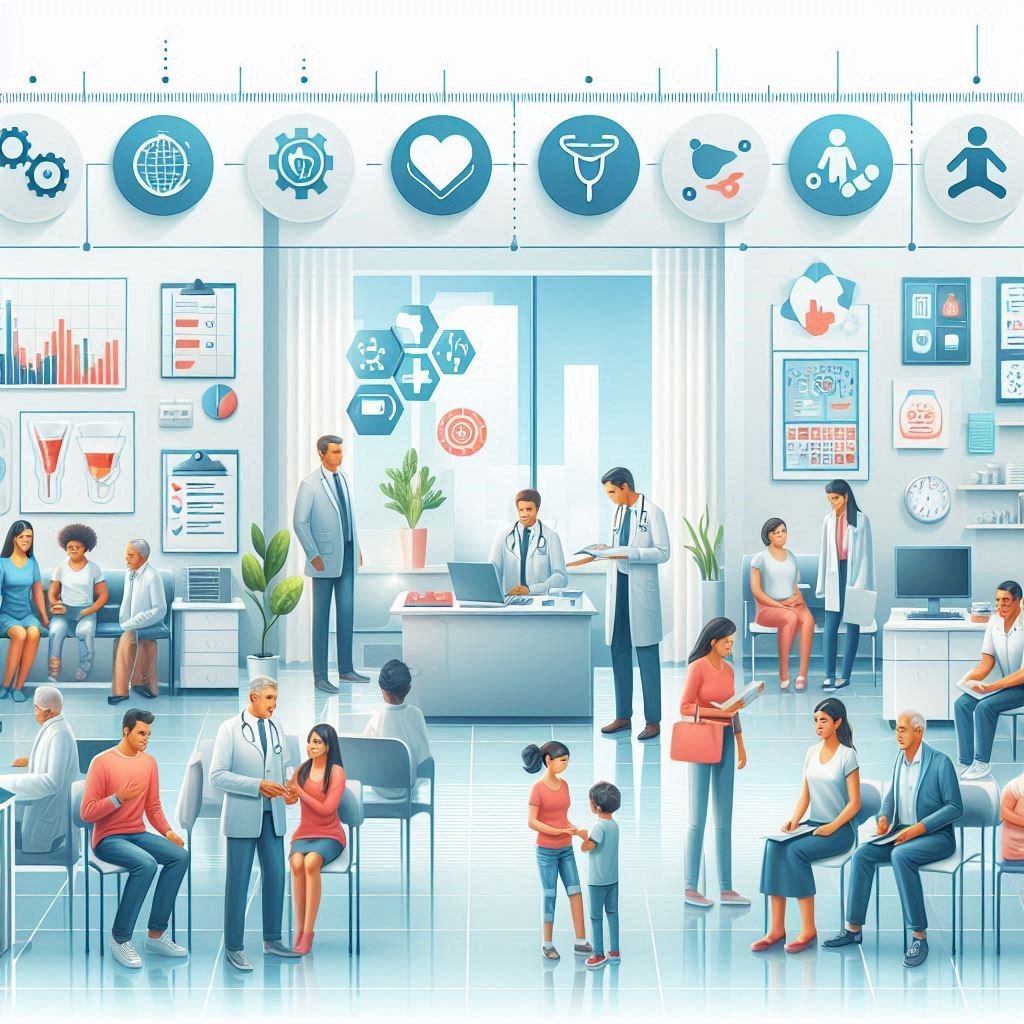
the significance of regular health screening in preventive health care in the long term.
Conclusion
Regular health screenings cannot be overemphasized as far as healthy aging is concerned. Preventive healthcare gives power to people to recognise risks at an early stage, proactively manage chronic diseases, and enhance life expectancy. With regular doctor visits and healthy lifestyle strategies, seniors can prevent diseases and have a healthier future.