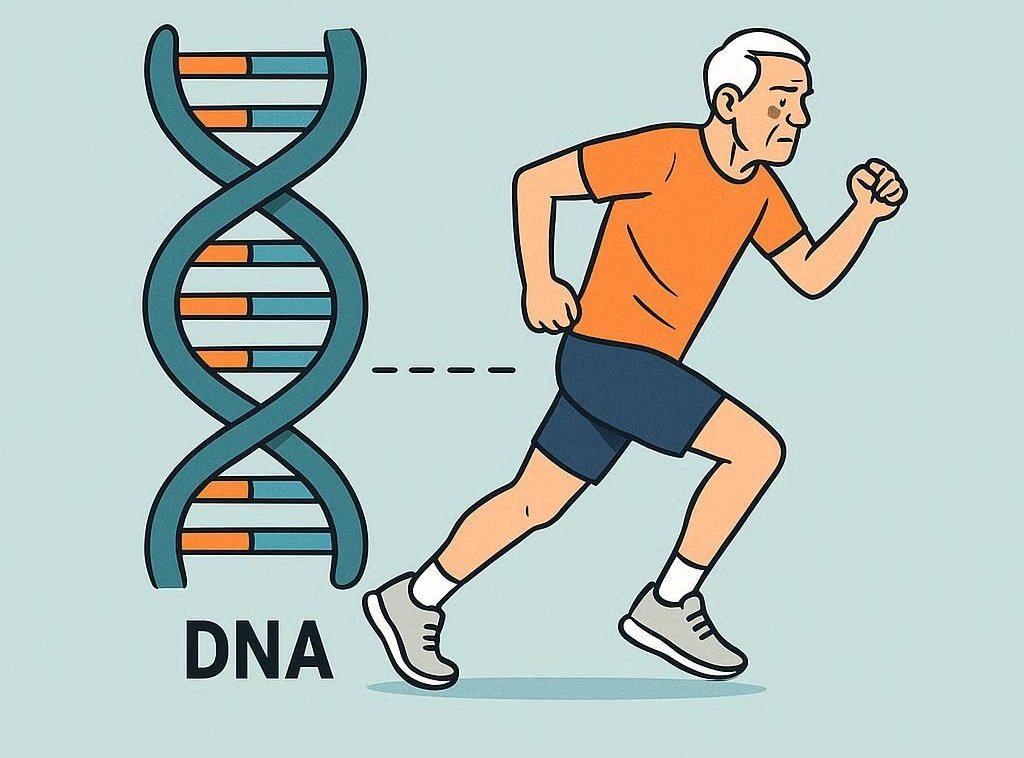
It is a normal process in which all people age but how and at what speed they age can differ greatly. Although lifestyle and environment are significant factors, genetics is one of the basic determinants of the way the body ages. Genetic factors of aging have been of significant scientific interest because knowledge of genetic factors can offer a clue to longevity, disease prevention and general health.
Genes provide the biological code that controls cellular activities, such as growth, repair and stress reaction. These instructions affect the efficiency of the body to sustain itself as it grows. Others can be born with genetic makeup that facilitates longevity and strength whereas others can be born with genetic tendencies that make them susceptible to age-related diseases.
This article discuss the influence of genetic predisposition on aging the underlying processes and the interaction between genetic and environmental factors to determine the aging process. With these ideas, people will be able to make informed choices to help them age healthily.
Learning Genetics and Aging
Genetics is an area of science that deals with genes and their transfer to the next generation. Genes are portions of DNA, which hold information on how to construct and sustain the body. They are important in defining physical characteristics, biological processes and vulnerability to diseases.
As we age, genetics plays a role in the functioning of cells, in repairing damage, and the response to stresses in the environment. Although human beings have a common genetic structure, differentiation in certain genes may also result in individual differences in the aging process.
Others might possess genetic differences that improve cell healing and ability to withstand damage, leading to increased lifespan. Others can have genes that predispose them to such ailments as cardiovascular disease or neurodegenerative diseases.
Knowledge of these genetic variations can be used to understand why the aging process is not homogenous.
Genetic Influence on Aging The Science behind it
The contribution of genetics to aging is strongly interconnected with the cellular activities which preserve the integrity of the body. These are DNA repair, protein synthesis as well as cellular growth control.
The capacity to repair damage of cells is one of them. DNA is continually exposed to conditions that may cause damage as oxidative stress and environmental toxins. Effective repair pathways contribute to cellular fitness and delay aging.
The production of proteins that aid in cell structure and functioning is also controlled by genes. Any interruption in these processes may cause cellular deterioration and also aging.
The other reason is the control of cell division. Cells are able to divide only to a limited number and genetic processes regulate this division to ensure that it does not develop abnormally. These processes contribute to the process of aging and prevention of diseases.
Long Life Genes and Effects
Researchers have found particular genes related to longevity. The genes are involved in the response of the body to stress, damage repair, and metabolic balance.
As an illustration, some genes are associated with the regulation of oxidative stress, a significant cause of aging. These genes contribute to the prevention of harm on cells because of the free radicals.
There are other genes that regulate inflammation and this process may increase aging in case it becomes chronic. These genes help to make aging healthier by controlling the inflammatory responses.
The longevity genes are not independent. They are sensitive to other genes and their interactions with the environment. This explains how genetic factors play out in aging.
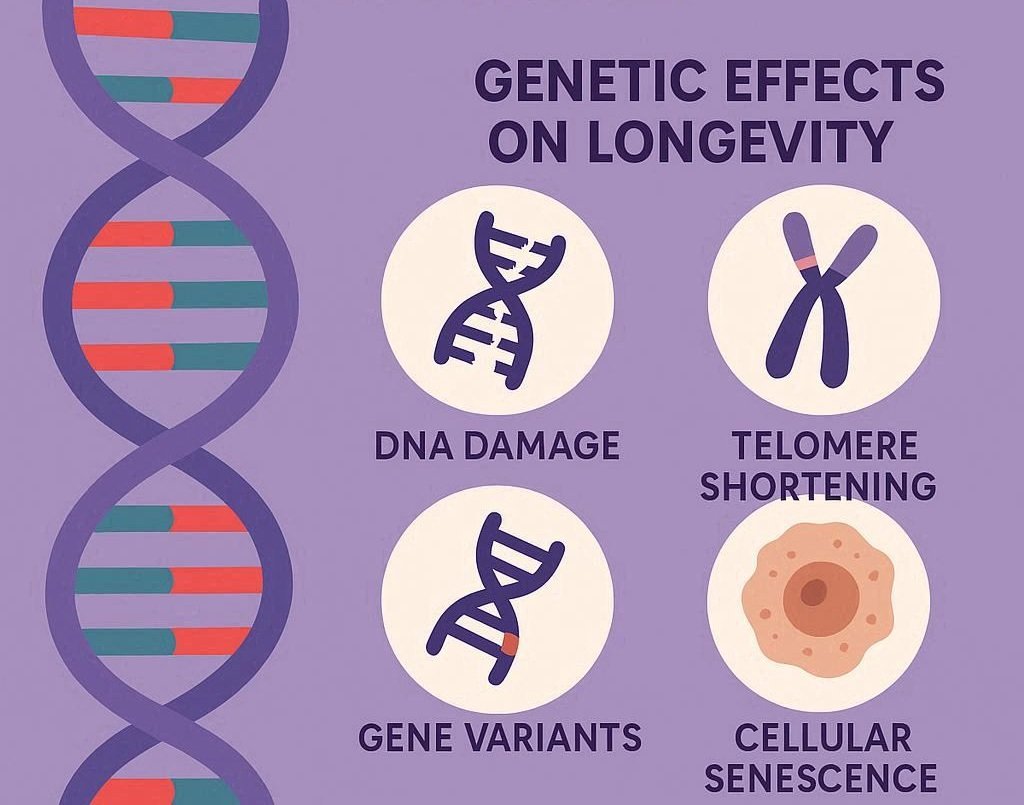
“role of genetics in aging using DNA structure and genetic effects of longevity”.
Telomeres and Aging Genetic
These structures play the role of protecting the ends of chromosomes and they are known as telomeres. They are very important in ensuring that there is genetic stability during cell division.
Telomeres get shorter every time a cell divides. The cell is no longer able to divide effectively when it attains a critical length. This is one of the important processes in aging.
Genetics plays a role in the rate of shortening of telomeres. Others can have more efficient telomere maintenance mechanisms or longer telomeres which can lead to longer lifespans.
Telomere studies have also provided useful information about the biological processes related to aging and the possibility of interventions that can be used to enhance longevity.
Genetic Disposition to Age related illnesses
Genetics is also involved in the predisposition to age-related diseases. Heart disease, diabetes, and Alzheimer disease are among the conditions that usually possess a genetic aspect.
Genetic differences can be inherited and can influence the body to process the nutrients, react to stress, and control the functions of the cells. These are the factors that can affect the probability of developing some conditions.
Genetic predisposition is however not a guarantee that disease develops. Risk may be increased or decreased by environmental and lifestyle factors.
Genetic risk awareness enables people to take preventive actions and lead a healthier lifestyle.
Interaction between Genetics and Environment
Although genetics lays the basis to aging, the environment plays a significant role in the expression of the genetic traits. This interaction has been termed as gene-environment interaction.
Gene expression can be influenced by lifestyle habits including food habits, physical exercises and exposure to toxins. It implies that even people who have a genetic tendency to some diseases can dictate their health outcomes by their decisions.
Epigenetics refers to the study that investigates the ways in which environmental conditions alter the activities of genes without affecting the DNA sequence. Such changes have the potential to affect aging and health.
The interplay of genetics and the environment emphasizes how the environment and aging should be approached holistically.
Epigenetics and Aging
Epigenetics plays a crucial role in understanding the role of genetics in aging. It is a modification of gene expression without modifying the DNA sequence.
Epigenetic changes can be affected by factors like stress, diet and environmental exposure. These modifications may influence the activation and repression of genes, which influence cellular functions and aging.
The epigenetic changes are able to build up with time which adds to aging. Nevertheless, a portion of these changes can be reversible, and they may have potential opportunities of intervention.
Epigenetics studies are bringing forth novel understanding of the potential the lifestyle choices have in affecting the genetic outcomes and gaining healthier aging.
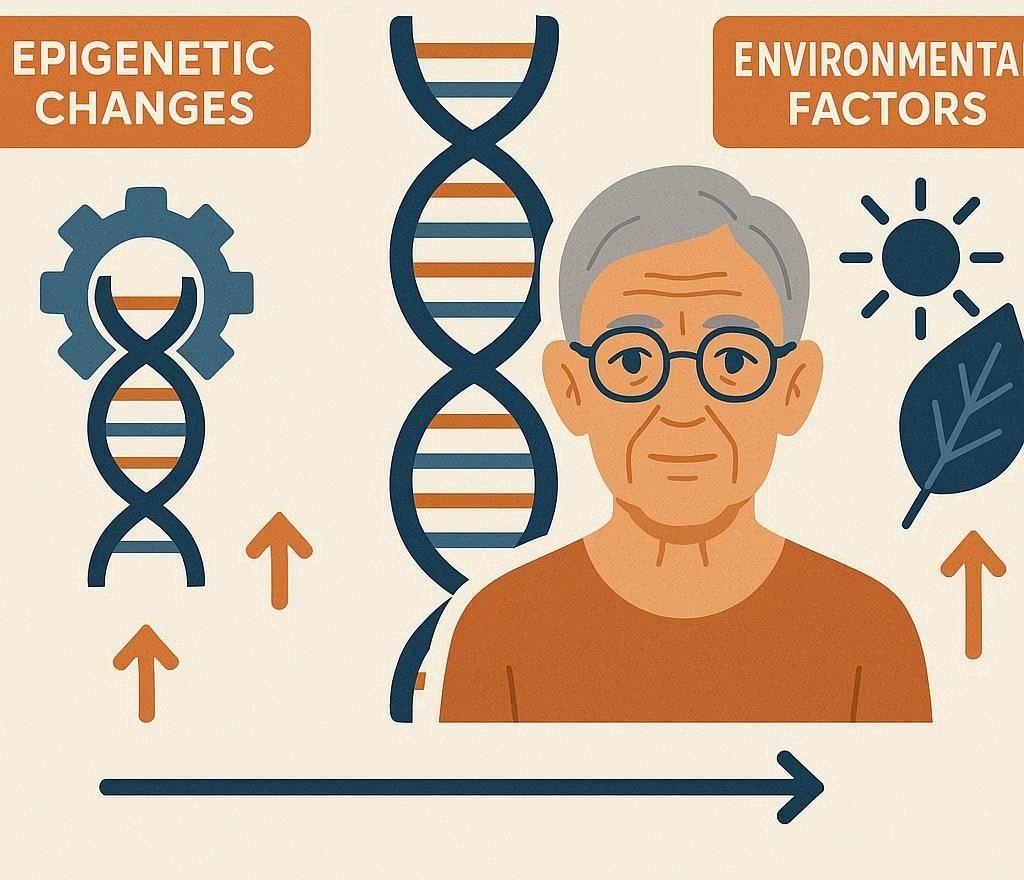
role of genetics in aging that are affected by epigenetic changes and environmental factors
Education and Environmental Modifications
The expression of genetic traits is greatly affected by lifestyle choices. Exercises, proper diets and other healthy practices can boost the capacity of the body to sustain the work of the cells and lower the aging impacts.
Proper diet that is rich in nutrients can help to maintain healthy cells and prevent damage. Exercise enhances blood flow and aids in metabolism.
Sleep is crucial in cell repair and hormone regulation. Stress management will preserve hormonal homeostasis and lessen the effect of adverse epigenetic alterations.
With healthy habits, one can make a positive impact on the expression of his or her genome, and contribute to a long-term health.
Advances in Genetic Research on Aging
Developments in science are also giving new insights into the contribution of genetics to aging. Researchers are investigating how to increase life and enhance health using genetic and molecular therapy.
There are new opportunities in the field of age-related conditions due to technologies like gene editing and personalized medicine. The strategies will focus on specific genetic factors and health outcomes.
Although these developments are yet to be seen, they underscore the possibilities of applying genetic knowledge to improve quality of life.
The value of Preventive Health
Understanding genetic influences on aging emphasizes the importance of preventive health measures. Risks can be managed by regularly having a health check-up and identifying problems in time.
Genetic testing can be used to get information on individual health risks and therefore prevention strategies can be developed individually. These tests are however to be applied in a prudent manner and with the advice of a professional.
Preventive health strategies are aimed at ensuring good health and minimizing the effects of genetic predispositions.
Learning to live with Genetic Influences on Aging
Adjusting to the role of genetics in aging means understanding the inherited and the modifiable aspects. Although genetic makeup is immutable, it can be controlled by making informed decisions.
Genetics is an important factor in health and this is understood through education and awareness. Being informed, one can make more appropriate decisions and take proactive actions to take care of their well-being.
Conclusion
The contribution of genetics to the aging process is a complicated and multifactorial phenomenon that influences the way people perceive the time passing. The role of cellular repair mechanisms and telomere dynamics, genetic predisposition, and epigenetic alterations are just but a few factors that play a role in the aging process.
Although genetics is the blueprint, lifestyle and the environment have a big role to play. The interaction emphasizes the need to embrace healthy behaviors and be proactive towards health.
By learning how genetics affect aging, people can take actions to adjust to their well-being, minimize risks, and enhance the quality of life. Research continues to make new discoveries and promises a more healthy and satisfying aging process.
Finally, aging is a process that is influenced by heredity as well as personal decisions, and thus it is possible to affect the way the body and mind change with age.

