
The issue of male infertility is a contemporary issue that has impacted numerous individuals and couples across the globe. Even though medical science has made great progress, there are still many cases that cannot be diagnosed until people become active in their attempts to conceive. Early diagnosis is important in order to detect possible reproductive problems in their early stages before they develop into more severe problems and thus can be dealt with in time to achieve better results.
The causes of infertility in men are very numerous: they can be hormonal imbalances, lifestyle, medical disorders, and environmental factors. Some causes are inevitable but with early detection and proper care, many can be controlled or even averted. Realizing how valuable early diagnosis is, helps individuals take proactive measures in keeping reproductive health in place.
The article discusses the importance of early diagnosis in the prevention of male infertility, the main risk factors, the methods of diagnosis, and the ways of ensuring good reproductive health.
Understanding Male Infertility
Male infertility is the inability of a man to participate in conception after they have engaged in unprotected sex over a long period of time. It is usually associated with the sperm production, functioning or delivery issues. The problems are low sperm count, poor sperm motility, and abnormal sperm morphology.
The sperm production process is complicated and requires that the testes, hormones, and the reproductive tract be properly functioning. Fertility can be influenced by any disturbance on these processes.
Male infertility can also be a progressive disease in most situations and may not have any clear symptoms. This is particularly critical in the early diagnosis which can be done before potential issues can affect reproductive capability to a significant extent.
The Importance of Early Diagnosis
The diagnosis at an early stage plays a significant role in avoiding fertility problems in the long run. The early identification of issues raises the likelihood of effective treatment and minimizes the likelihood of complications.
Interventions can be applied before it is too late by detecting conditions at a young age. As an illustration, the prompt treatment of infections or hormonal imbalances might restore normal functionality and avoid additional deterioration of the quality of sperm.
Early diagnosis also gives individuals precious information concerning their reproductive health. This education enables one to make informed decisions and plan on future family objectives.
Types of Male infertility
Knowledge on the causes of male infertility makes it clear that early detection is important. These reasons can be classified into broad categories namely medical, environmental and lifestyle causes.
Medical Conditions
Some medical conditions may have a direct influence on fertility. Sperm production and functional impairments can be caused by hormonal disorders, infections, and genetic abnormalities. Other diseases like varicocele whereby the veins in the scrotum are enlarged may also affect the quality of sperm.
With early diagnosis of these conditions, one gets to be treated in time and treatment can be very effective.
Lifestyle Factors
Reproductive health is very much dependent on lifestyle choices. Poor diet, lack of physical activity, smoking and excessive alcohol consumption may adversely influence the production of sperms.
Another critical factor is obesity, which may cause hormonal imbalances, which affect fertility. Early intervention of these problems by lifestyle modification can prevent the development of long-term problems.
Environmental Influences
Exposure to environmental toxins, such as pesticides, heavy metals, and radiation, can harm reproductive health. Sperm production may also be influenced by occupational dangers and long term exposure to excessive heat.
Early detection and reduction of these risks can safeguard fertility and enhance health in general.
Early Diagnosis
The diagnosis depends on a mix of medical assessment and diagnostic tests in order to diagnose early. The techniques can be used to diagnose underlying problems and inform proper treatment.
Semen Analysis
The most frequently used diagnostic test to determine male fertility is semen analysis. It evaluates the semen quality, the sperm count, motility and morphology. The test can be used to learn a lot about reproductive health and is frequently the initial diagnosis tool.
Hormonal Testing
Hormone tests are tests that determine the amount of testosterone and other hormones which control the sperm production. The imbalances in these hormones may be signs of issues that have to be treated.
Imaging Techniques
It is possible to identify structural abnormalities of the reproductive organs with the help of imaging, including ultrasound. The tests are helpful in diagnosis of such conditions as varicocele or blockages.
Genetic Testing
Genetic testing can be required in certain instances in order to determine inherited disease that can influence fertility. Early identification of genetic factors can be better managed and decisions made.

“early diagnosis of male infertility using semen analysis and lab tests”.
The Benefits of Early Intervention
One of the best methods of preventing the progression of male infertility is through early intervention. Early detection of problems enables more focused and efficient treatment.
Medical interventions, including medications or small surgical operations are usually more effective when implemented at an early age. When adopted early, lifestyle changes, such as better eating habits and physical activity, will also be more effective.
Moreover, early intervention decreases emotional strain related to fertility problems. It gives people an idea of control, and it boosts the confidence of getting good results.
Prevention by Lifestyle
The prevention of male infertility can be achieved through healthy lifestyle choices that can support reproductive health. Such measures not only enhance fertility but also life in general.
Having a healthy balance of diet with all the necessary nutrients helps in the production and functioning of the sperm. Exercise enables the regulation of hormones and enhances circulation.
The prevention of harmful substances is a key to safeguarding reproductive health: tobacco and excessive alcohol use should be avoided. Stress management with relaxation and good sleeping schedule is also a good factor towards improved results.
The importance of routine health examinations
The regular check-up of health is a valuable element of early diagnosis. Regular check-ups may assist in identifying the possible problems before they take a serious turn.
Healthcare workers are able to educate about reproductive health and prescribe relevant tests, depending on the personal risk factors. Such check-ups are also a chance to talk about the issues and be taken personal advice.
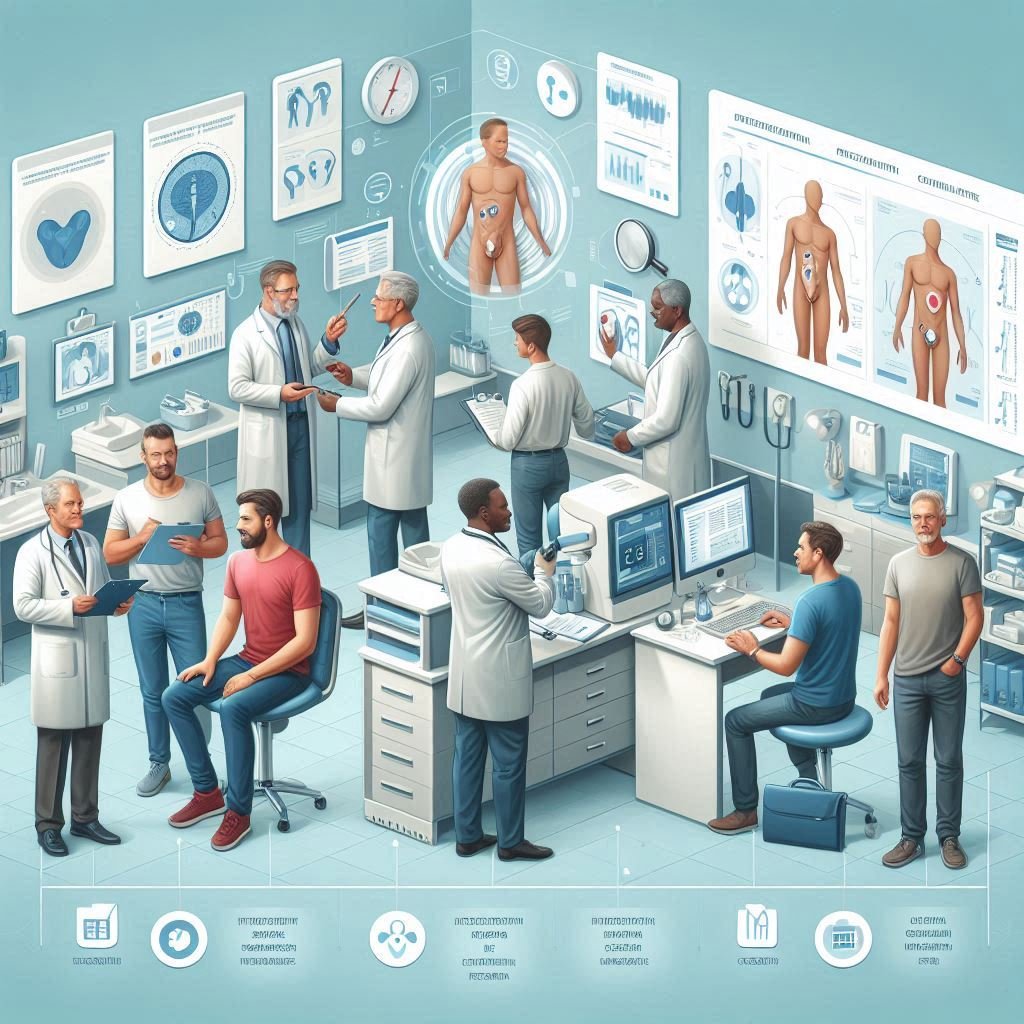
“early detection of male infertility by frequent medical exams and visits”.
Psychological and Emotional Factors
Male infertility is largely psychologically and emotionally impacting. Stress, चिंt, and low self-esteem are the typical symptoms of people with fertility problems.
Early diagnosis will also alleviate the uncertainty and give an understanding of the situation. This will help to reduce anxiety and allow people to concentrate on solutions instead of worries.
Healthcare support, counseling, and partner support is essential in addressing the emotional side of infertility.
Creating Education on Male Reproductive Health
Lack of awareness is one of the key issues of dealing with male infertility. Only when people face difficulties with conception, many of them do not consult the doctor.
Educating people on the significance of early diagnosis will foster preventive health care. Education will assist people to know risk factors, the possible symptoms, and be able to prevent.
Stigma may be lowered and increased care access may be achieved through educational programs within the community and discussion
Lasting Effect of Early Diagnosis
Early diagnosis has advantages in the long term that go beyond fertility. It helps to promote the general health through detection and treatment of medical conditions.
Early diagnosis would enable them change their lifestyles to become more healthy, and this may lessen their chances of having chronic diseases. It also enhances successful conception and family planning.
With a focus on an early diagnosis, people will be able to control their reproductive well-being and have more positive results.
Conclusion
Early diagnosis is crucial to both prevent male infertility and enhancing the outcome of reproduction. Monitoring possible concerns at an early age, one will be able to preemptively put in place preventative measures to avert the underlying causes and remain at optimum levels of health.
The awareness of the causes of infertility, such as illnesses, habits, and environmental factors, emphasizes the need to have medical examinations and interventions on a timely basis.
Skills in adopting healthy lifestyle, consulting medical services when required and keeping informed are major techniques of preventing infertility. People will be able to safeguard their reproductive well-being and improve their quality of life with the correct approach.
Finally, early diagnosis will give a person the ability to make knowledgeable choices and control their future, which guarantees health and well-being.