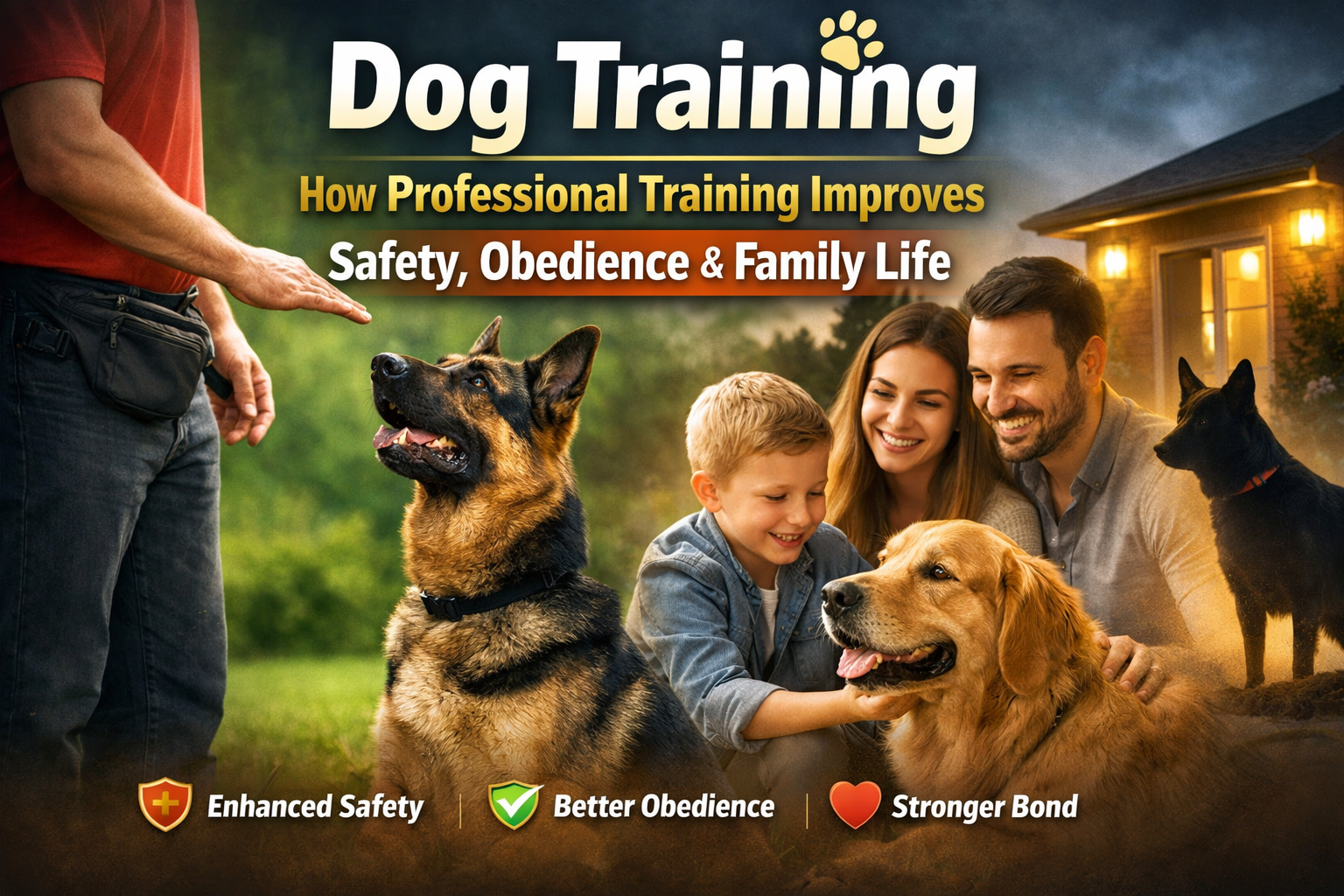
Raising a great dog is not just about teaching basic commands; it is also about creating a safe, structured and harmonious home environment. Many pet owners put off professional training, which they see as a secondary issue to the dog’s primary care. But what they don’t realize is that what we get from a trained professional goes way beyond the sit and stay routines. We see results in the dog’s behavior, in our ability to communicate better with our pets, and in an overall increase in family safety.
In present-day homes where dogs are seen as true family members, we do not have a choice but to train them properly; it is a must. Professional dog training provides for more than just basic commands; it is also a means to instill emotional balance, protective instincts, and reliability.
The Foundation of Professional Dog Training
Professional training is based on the science of behavior and we see to it that it is a consistent process. We differ from the ad hoc approach of some, which may not be as effective. Instead, we put in place structured programs which we tailor to the dog’s breed, temperament and environment.
At the start of dog training, canines’ focus is on understanding the commands given to them, which they, in turn, perform properly in various settings. This clarity of what is asked of them in turn decreases their confusion, which in turn builds their confidence, which is very much a base for good obedience and also safety.
Key Elements of Structured Training
- Consistency: Dogs do well with routine.
- Positive Reinforcement: Rewards foster the desired behaviours that we are to support.
- Clear Communication: Dogs learn responses to commands.
- Behavior Correction: Poor habits are addressed early.
These elements produce a well-rounded and tranquil pet that fits into family life easily.
Behavioral Benefits of Professional Training
Improved Obedience and Responsiveness
One of the first things you notice after training is how much better trained dogs do in terms of obedience. Trained dogs at will at once obey a command which results in the prevention of an accident or maintenance of order in the home. This also plays a key role in the dog’s behavior in which we see an improvement.
For example, a dog which goes when you call it to come or which stays put when told to do so is less likely to find itself in dangerous situations like traffic or unknown areas.
Reduced Aggression and Anxiety
Untrained dogs may show signs of aggression, fear, or anxiety. Also, in homes which have kids or guests, these behaviors present a great risk.
Professional trainers identify the base of these behaviors and put in place corrective measures. Over time, dogs become calmer, more predictable in nature, and better at handling stress.
Enhanced Socialization Skills
Socialization is a key component in a dog’s growth. Professionally trained dogs learn how to interact properly with:
- Other animals
- Children
- Guests and strangers
This reduces the incidence of biting, barking too much, or showing aggression toward what is perceived as territory.
Trained Dog’s Role in Home Safety.
A trained dog goes beyond what is asked of them; they play a large role in household safety.
Early Threat Detection
Dogs are born with instincts which make them very aware of changes in their environment. Through professional training, these instincts are honed to:
- Recognize unusual behavior
- Alert owners to potential threats
- Distinguish between normal and suspicious activity
Controlled Protective Behavior
Contrary to what is believed, protection does not go hand in hand with aggression. Professionally trained dogs are taught to have a controlled response, which is that they intervene only when required and at command. Also, we see that instead of jumping to the conclusion that protective behavior is aggressive, it is important to note that what we are dealing with is a well-trained intervention which is minimal and on command.
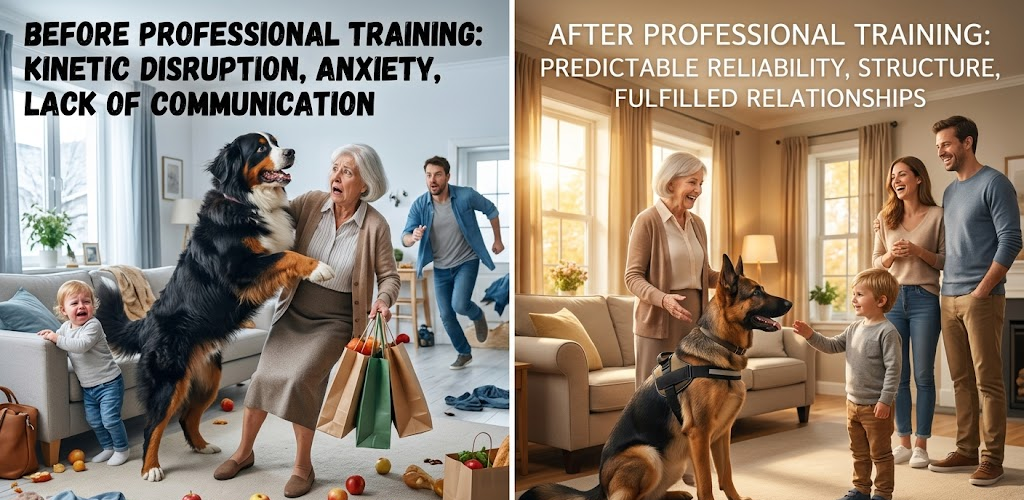
This is a very important balance which we see between the untrained dog, which may react in any way to a situation, and the trained dog, which is calm and at the ready to do what its owner asks.
Child Safety and Interaction
In many cases, we see that children interact with dogs in random ways. A professionally trained dog which has been taught patience and which is restrained properly thus reduces the risk of accidental bites or injuries.
Also, see that it is a part of what we do to have the kids learn how to interact with and be respectful towards the dog, which in turn forms a better and more respectful relationship.
Why Professional Training Outperforms DIY Methods
Many dog owners try to train their dogs at home. While this works for some basic commands, it is often insufficient for more serious behavioral issues.
Expertise and Experience
Professional trainers have a wealth of experience and in-depth knowledge about canine psychology. They can notice issues at early stages and put in place solutions which work.
Customized Training Plans
Each dog is different. We present programs which are tailored to specific needs, which in turn produce better and faster results.
If you have looked for Dog training near me, you may see that it is important to find a trainer that fits your dog’s personality and your household’s environment.
Long-Term Results
Unlike at home, inconsistent training is an issue; in the professional programs, they focus on long-term behavior change. Dogs retain what they learn, which makes them great companions for many years.
Building Trust between Dog and Owner
Trust is the foundation of any solid relationship, which is also very much the case for dogs and their owners.
Clear Communication
Training creates a base of communication between dog and owner, which in turn reduces frustration and improves cooperation.
Strengthened Bond
In structured training classes, dogs that attend the sessions do better in terms of mutual respect, and we also see that dogs become more attentive while at the same time owners gain confidence in handling their pets.
Reliability in Critical Situations
In times of emergency, a trained dog’s response may be the difference. From stopping on command to returning at once, reliability may prevent accidents and save lives.
The Economic Value of Professional Training
While many see professional training as a nice-to-have feature, it is in fact a large-scale investment.
Reduced Costs from Behavioral Issues
Untrained dogs can cause:
- Property damage
- Medical expenses from bites or injuries
- Legal liabilities
Training reduces these risks, which in turn saves money over time.
Increased Quality of Life
A well-raised dog is easier to manage, more enjoyable to be around and also reduces stress for the entire family.
Long-Term Impact on Responsible Pet Ownership
Professional training has a long-term view in the world of pet care.
Encouraging Responsibility
Owners pay more attention to their dog’s behaviors which in turn improves care and management.
Promoting Community Safety
Well-trained dogs are also less likely to cause trouble or harm, which in turn makes for safer communities.
Lifelong Benefits
Throughout their life, the skills a dog learns in professional training do so, which in turn guarantees consistent behavior and reliability.
Choosing the Right Training Program
Choosing the right trainer is key to success.
What to Look For:
- Proven track record
- Positive training methods
- Customized programs
- Strong client reviews
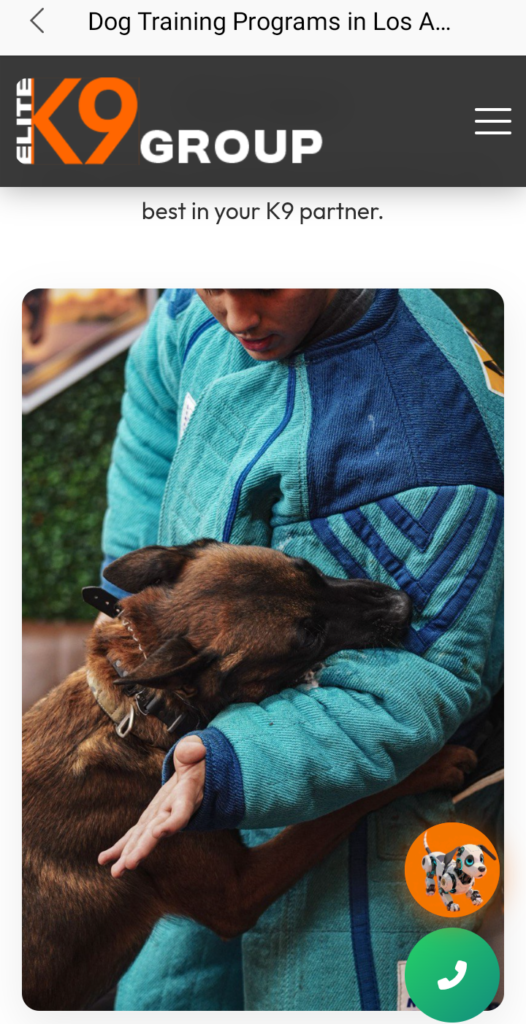
Elitek9group is widely known to have structured programs which improve dogs’ obedience and safety, which in turn makes them more reliable family members.
Conclusion
Professional dog training is a change which goes beyond the basics of obedience. It creates safety in the home, improves relationships, and also sees to it that dogs are reliable and well-adjusted companions.
By way of structured training programs which we as a family invest in, our pets’ obedience is a given, as well as their role in the safety of our home. In a world that has pets as valued family members, professional training is not a luxury issue; it is a requirement of good pet ownership.