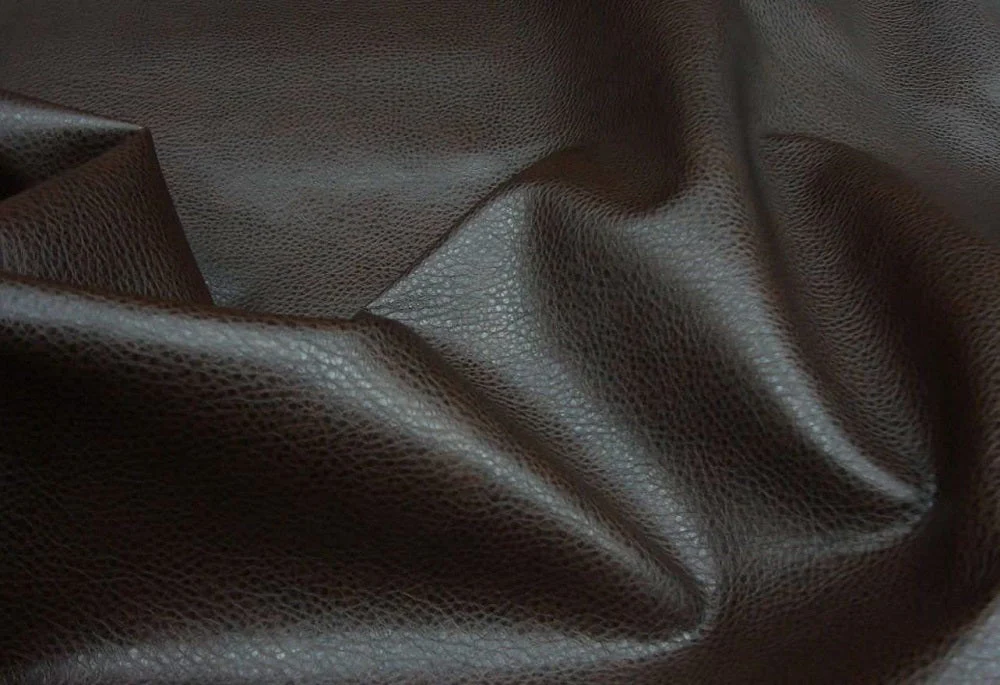
Faux leather has become a popular alternative to genuine leather in furniture, automotive, fashion, and marine applications. Its appeal lies in combining the aesthetic and tactile qualities of real leather with affordability, durability, and animal-free manufacturing. Knowing what faux leather is made of helps designers, manufacturers, and consumers make informed material choices.
What Is Faux Leather Made Of?
Faux leather, also known as artificial leather, is a synthetic material designed to imitate genuine leather. It is typically made by applying a coating of polyurethane (PU) or polyvinyl chloride (PVC) to a textile backing, such as polyester, cotton, or microfiber. This combination produces a durable, flexible, and leather-like material suitable for various applications.
Key Components of Faux Leather
- Textile Base: Provides structural support, flexibility, and strength. Common fabrics include polyester, cotton, and microfiber.
- Polyurethane (PU) Coating: Creates a soft, smooth, and leather-like surface. PU leather is more flexible and eco-friendly compared to PVC.
- Polyvinyl Chloride (PVC) Coating: Offers durability and water resistance but is less flexible than PU.
- Finishing Layer: Optional coatings enhance what is faux leather made of texture, color, and surface properties such as UV and flame resistance.
Advantages of Faux Leather
- Cost-Effective: Offers the appearance of leather at a lower price.
- Durable and Wear-Resistant: Resists scratches, stains, and environmental wear.
- Animal-Friendly: Vegan alternative to genuine leather.
- Low Maintenance: Easy to clean and maintain without specialized care.
- Versatile Applications: Suitable for furniture, automotive interiors, fashion accessories, and marine use.
Applications of Faux Leather
- Furniture Upholstery: Sofas, chairs, and office seating requiring durability and style.
- Automotive Interiors: Seats, dashboards, and door panels needing water resistance and comfort.
- Fashion Accessories: Bags, wallets, belts, and footwear that emulate genuine leather.
- Marine Upholstery: Boat seats and cushions designed for water and UV resistance.
- Industrial Use: Protective covers, tool grips, and safety equipment.
Faux Leather vs Genuine Leather
| Feature | Faux Leather | Genuine Leather |
| Cost | Lower | Higher |
| Maintenance | Easy | Moderate |
| Durability | Good | Excellent |
| Animal Friendly | Yes | No |
| Customization | High | Moderate |
Tips for Maintaining Faux Leather
- Cleaning: Use a damp cloth and mild detergent to remove stains.
- Avoid Direct Heat: Keep away from hot surfaces to prevent cracking.
- Storage: Store in a cool, dry place to preserve flexibility and color.
- Conditioning: Use synthetic leather conditioners to maintain texture and durability.
- Prevent Sharp Impacts: Avoid punctures or tears from sharp objects.
FAQs About Faux Leather
1. What materials are used to make faux leather?
Faux leather is primarily made from a textile base coated with polyurethane (PU) or polyvinyl chloride (PVC).
2. How does faux leather compare to real leather?
Faux leather is more affordable, easier to maintain, and vegan-friendly while offering similar aesthetics and reasonable durability.
3. Can faux leather be used in marine applications?
Yes, specially treated faux leather materials are water-resistant and UV-protected, making them suitable for marine upholstery.
Conclusion
Understanding what faux leather is made of helps in choosing the right material for furniture, automotive, fashion, or marine applications. Its combination of durability, low maintenance, and ethical manufacturing makes it an excellent alternative to genuine leather. For more insights and reliable resources, explore this guide to make informed decisions for your projects.