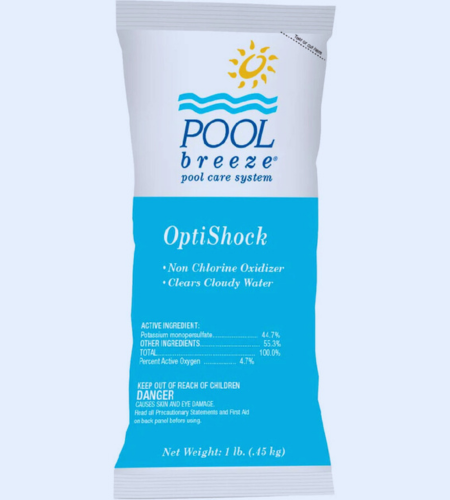
When you have a pool in your property, you know pretty well that crystal-clear water does not happen suddenly. Adequate chemical balance makes the pool water fresh, safe, and enjoyable for everyone who swims. Here, pool shock plays an integral part in maintaining the balance since it removes every contaminant that normal chlorine levels fail to handle completely.
Organic debris, sunscreen, body oils, and microscopic organisms consistently penetrate pool water. Standard levels of sanitizers gradually looses its potential to prevent buildup. Pool shock chemicals can help restore the sanitizing strength to rapidly destroy unwanted contaminants.
Pool owners often have a growing concern over the frequency at which pool shock should be used. Routine shocking keeps the water healthy. However, excessive use of waste chemicals disrupts its natural balance. Knowing about the right timing can help in maintaining the cleanliness and safe water without any unwanted treatment.
Key Signs Your Pool Water Needs Immediate Attention
Maintaining routine schedules can retain the optimal standard of water. However, there are a few warning triggers that necessitate the need for pool shock chemical treatment. Keeping a close watch over the water conditions and the activity of the swimmer can prevent any severe issues related to contamination.
The key indicators for pool owners include:
- Strong smell of chlorine
- The pool water is turning cloudy
- Signs of algae growth
- Heavy use by swimmers
- Rainstorms
Keeping a watch can help prevent minor issues from becoming major risks to sanitation. Prompt action, post-noticing the signs, can keep water clear, safeguarding swimmers against harmful bacteria.
Ideal Frequency for Pool Shock Treatments
Routine shock treatments keep sanitizers working and remove foreign substance which deposits with time. Generally, pool professionals suggest a regular schedule along with situational treatment.
Weekly Shock Maintenance
Frequent weekly shocking maintains good levels of sanitizers and removes any unseen debris that would otherwise be brought in by the daily usage of pools. Regular treatment helps in avoiding accumulation that may ultimately result in cloudy water, odors, and algal growth.
A weekly schedule will include the following:
- Select evening hours
- Test the chlorine levels using pool test strips
- Even distribution of shock
- Running filtration system
Weekly treatment maintains water in a constantly hygienic state and avoids a progressive accumulation of contamination. Regular maintenance also eliminates the need for larger remedial treatments in the future.
After Heavy Pool Use
Bigger gatherings or frequent swim sessions introduce sunscreen, sweat, oils, and organic debris into the pool water. Increased contamination rapidly disrupts chlorine’s effectiveness, leading to cloudy water or strong odors.
Furthermore, shock treatment becomes essential post events like:
- Pool parties
- Frequent daily swimmers
- Children playing often
- Extended swimming sessions
Additional sanitation after heavy use restores chemical balance and retains the safety of water for the next session. Preventive treatment can also prevent any scope for bacterial growth.
Following Heavy Rain or Storms
Rainwater also brings on board pollutants, dirt, leaves, and airborne pollutants, which interfere with the water chemistry. Storm runoff can also cause the reduction of sanitizer levels, and pool shock treatment is required to regain normal sanitation.
Contamination caused by storms often needs immediate attention through:
- Visible accumulation of debris
- Effects of water diffusion
- Entry of organic matter
- Consistent temperature changes
Timely shocking following storms maintains water clarity and eliminates algae growth, given the low levels of sanitizer.
When Water Looks Cloudy
Cloudy water is a clear indication that pollution will build up faster than the sanitizer can remove it. The lower efficiency of chlorine enables organic substances and small particles to stay in suspension.
Prompt treatment often involves different factors, such as:
- Lower chlorine levels
- Poor filtration cycles
- Organic contamination buildup
- Algae formation beginning
Shock treatment cleanses water with the help of oxidation of contaminants and enhances the performance of sanitizers. Upon treatment, clear water usually retains itself within one filtration cycle.
After Detecting Algae Growth
Entry of algae spores into pools occurs naturally as a result of wind, rain, and swimmers. When growth sets in, algae spreads rapidly and interferes with the level of sanitation. Shock chemicals are used to kill the algae and stop its further growth.
Treatment mainly includes the following inspections:
- Green water patches
- Slimy pool surfaces
- Discolored water tint
- Rapid algae spreading
Adequate shock chemical treatment, along with brushing and filtration, can remove the colonies of algae, restoring a healthier swimming environment.
Opening the Pool for the Season
Sanitation presents a number of problems with seasonal reopening. The stagnant winter water harbors organic waste, bacteria, and contaminants, which have to be removed before swimming sessions begin.
Generally, a seasonal startup includes:
- Removal of winter debris
- Testing of water balance using pool test strips
- Treatment with high-dose shock chemicals
- Complete filtration cycle
At the start of the season, a powerful shock treatment is done so that the pool becomes ready to undergo routine care, and swimmers are introduced to clean water.
Before Closing the Pool
A final shock treatment is useful in a seasonal shutdown as well. The presence of strong sanitizers keeps away the breeding of bacteria, algae, and organic contaminants as long as the pool is not in use.
The closing process generally consists of:
- Completion of deep cleaning
- Chemical levels balanced
- Final shock application
- Protective pool cover
Early shocking prior to winter storage can help to keep the water cleaner. Therefore, the reopening of springs involves less effort and fewer needs for treatment, and less treatment is expended.
Conclusion
To keep the swimming pool clean and safe, it is necessary to do more than add chlorine periodically. Pool shock is very important in chewing up contaminants, rejuvenating the ability of sanitizers, and avoiding water quality problems before they become serious.
Skilled monitoring of pool conditions and the timely application of shocks enable pool owners to safeguard swimmers’ health. Furthermore, it maximizes equipment life and has clean water all throughout the swimming season.