The breathing process is automatic and permanent and it keeps every single cell in the body alive. The respiratory system operates in continuous mode to supply the tissues with oxygen and eliminate carbon dioxide that is a metabolic product. Whenever the lungs are working properly, this process takes place without visible effort. But in cases of respiratory efficiency loss, sub-optimal changes in breathing patterns and physical performance may manifest themselves well before severe disease ensues.
Early detection of the symptoms of a compromised lung health is critical in safeguarding the respiratory health in the long run. The common symptoms like temporary fatigue, shortness of breath, or coughing are often overlooked by many people as they are innocuous, and their correct diagnosis is often delayed until later. Although this may occasionally be the case, constant respiratory symptoms may be a pointer that there is something wrong with the lungs as they are not operating properly.
Early detection of breathing issues enables the people to undergo medical check-up before the complications escalate. Early diagnosis may prevent the development of complications, enhance the outcome of treatment, and save the lung circulation. Knowledge of the red flags of decreased respiratory efficiency is knowledge that will enable people to keep track of their health and act when need be.
Respiratory Efficiency
This term refers to the degree to which the respiratory system of a living organism can effectively get the maximum oxygen and eliminate carbon dioxide from the body.
The efficiency of the lungs and the related structures in transferring gases between the air and blood is known as respiratory efficiency. In the breathing process, oxygen is taken into the lungs and is transported to the blood via small air sacs known as alveoli. Meanwhile, the blood stream directs carbon dioxide to the alveoli as a result of which carbon dioxide must be exhaled.
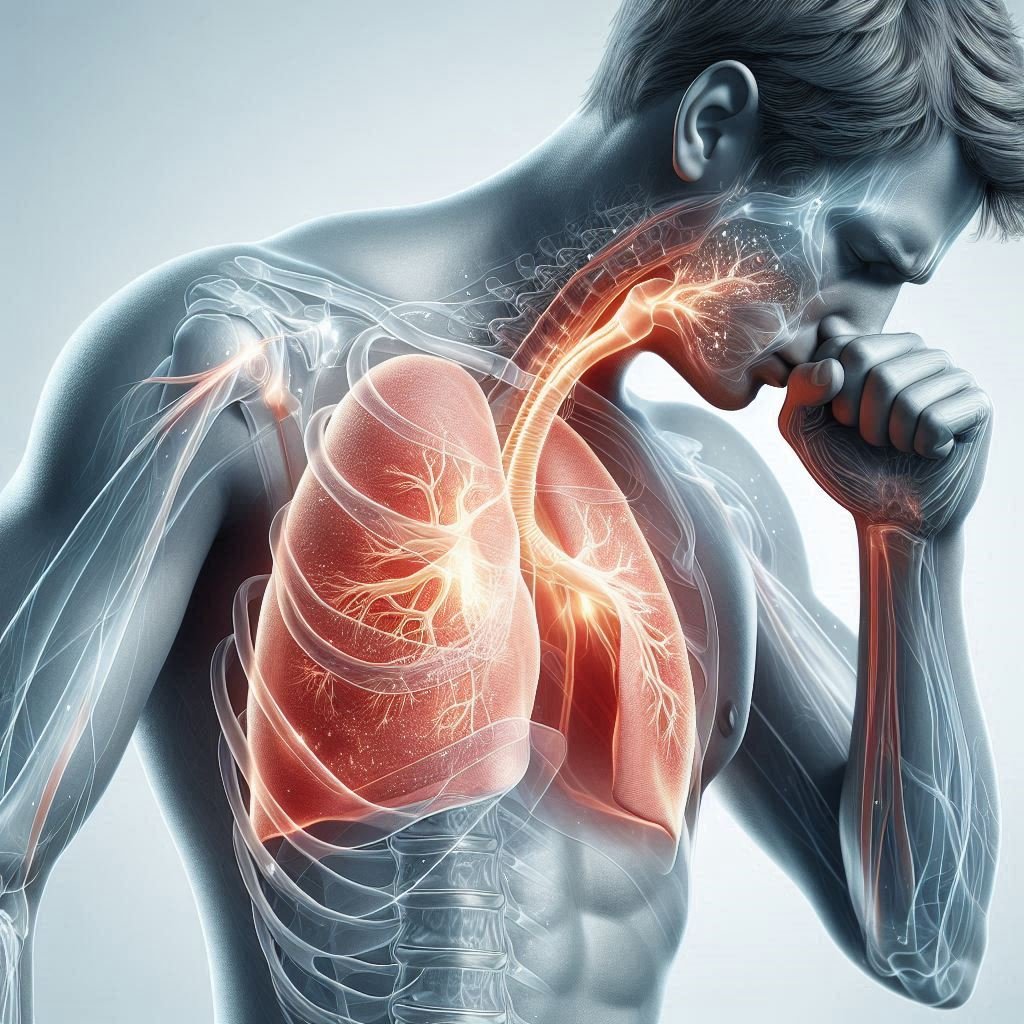
This gaseous exchange is needed in keeping normal body functions. Oxygen aids in cell metabolism and energy conversion and carbon dioxide has to be eliminated to avoid pernicious alterations in blood chemistry. When one of the processes in this process is disturbed; the body might fail to get sufficient oxygen to fulfill its requirements.
This may result in reduced respiratory efficiency as a result of obstruction of airflow, damage of lung tissue, and impairment of gas exchange. In a case like this, the body can make some form of a compensation, either by raising breathing speed or heartbeats. The symptoms of the damaged lung functionality might be more evident in the long-term but these changes can cover the problem in the beginning.
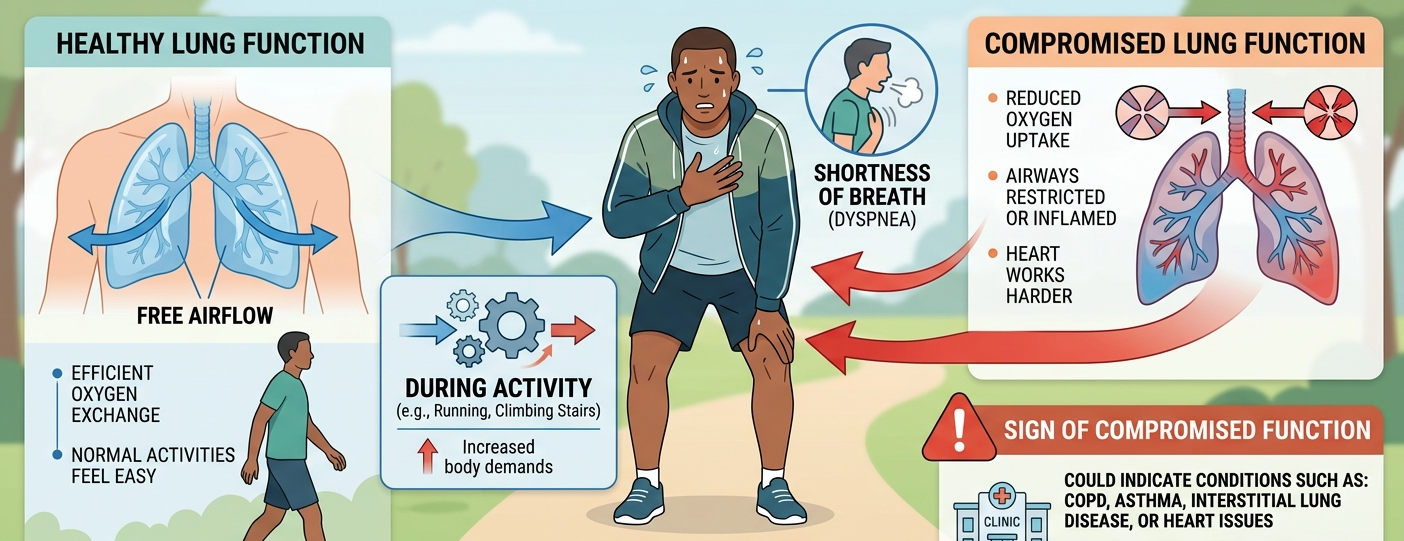
Knowledge of the mechanism of respiratory efficiency will help in explaining why the initial symptoms are usually manifested when there is physical activity or when there is a high demand of oxygen. Such activities as stair climbing or exercise demand more oxygen, and it makes microscopic respiratory restrictions easier to identify.
The most common effects of a poor lung functioning
One of the most significant measures to protect the health of the lungs is the recognition of warning signs of respiratory issues. There are a number of symptoms that might indicate that the lungs are not functioning as effectively as they are supposed to. The symptoms may be different depending on the degree but persistent or progressive symptoms are not to be overlooked.
Shortness of Breath
Among the most frequent manifestations of impaired lung functioning, shortness of breath, or dyspnea, can be listed. It is experienced when the body finds it difficult to get enough oxygen during breathing. Patients who have shortness of breath might feel as though they are unable to get a deep breath or they may be forced to breathe faster than normal.
There are instances where shortness of breath can only be noticed when one is engaged in physical activity. Nonetheless, when the respiratory efficiency reduces it can be experienced in the normal chores of walking, ascending stairs or even taking a rest. Recurrent dyspnea should never be disregarded by a medical expert.
- Persistent Cough
Coughing is a bodily defense mechanism that assists in clearing the irritant and mucus off the airways. The prolonged cough (several weeks or returning regularly) can however be a sign of respiratory problems.
Chronic coughing may be caused by airway inflammation, overproduction of mucus or irritation due to environmental pollutants. After some time, chronic coughing can be the symptom of such diseases as chronic bronchitis, asthma, or some other respiratory disorders. Continuous coughing cannot be ignored since it is one of the initial signs of damaged lung performance.
- Wheezing
Wheezing is a whistling noise that is high-pitched, and is produced as a result of breathing typically when air gets inside the narrowed airways. The symptom tends to signify inflammation or blockage in the breathing system.
The wheezing can be either during inhalation or exhalation or both. It is usually linked with asthma or airway inflammation by infections or environmental causes. Wheezing for a long period or that that occurs frequently can be an indication of diminished airflow and diminishing respiratory effectiveness.
- Reduced Exercise Tolerance
Exercise tolerance is another significant measure of decreased respiratory performance. The people who used to indulge in physical activities without any discomfort might start experiencing that they become tired easily or find it difficult to accomplish normal exercises.
The need to increase oxygen supply to muscles increases exercise. In the situation when the lungs are not able to supply enough oxygen, fatigue is encountered by the body faster. Consequently, people can skip physical exercise since it seems tougher than ever.
One of the minor symptoms of the impaired lung functioning, which can manifest themselves over time, is reduced stamina. Since the change may be gradual, individuals can put it down to old age or loss of fitness. Nevertheless, chronic problems with the physical activity can mean that the respiratory system does not perform efficiently.
Physiological Reasons of a Decreased Lung Performance
The reasons behind respiratory efficiency decrease assist in the explanation of the cause of most symptoms. A number of physiological aspects may interfere with the proper movement of air and gaseous exchange in the lungs.
Airway inflammation is one of the causes. Inflammatory processes may cause airways to be narrow and produce more mucus, and thus, the air can no longer move freely in the lungs. Other conditions like asthma and bronchitis usually have inflammation of the airways which is also part of the symptoms of encumbered lung functionality.
Another possible cause is that of damage to lung tissue. The sensitive gas exchange machinery can be destroyed by long-term exposure to pollutants, smoking cigarettes, or work hazards. Oxygen delivery is less effective when alveoli become incapable of their elasticity or structural soundness.
The respiratory performance can also be affected by muscle weakness. Breathing muscles including the diaphragm should be effective in order to enlarge the lungs during inhalation. When such muscles fail because of illness, what is known as inactivity or neurological diseases, the efficiency of breathing may be reduced.
Cardiovascular disorders may have an indirect effect on respiratory functioning in certain instances. The connection between the heart and the lungs to supply oxygen to the whole body can lead to the aggravation of respiratory symptoms due to issues related to circulation.
Lifestyle and Environmental Impact
The health of the lungs can be highly influenced by lifestyle choices and environmental exposures. Smoking is also one of the most prominent risk factors of respiratory disease since tobacco smoke consists of thousands of chemicals, harming the lung tissue.
The other issue of significance in causing respiratory problems is air pollution. The air of cities is usually packed with the fine particles of matter, industrial waste, and automobile fumes which irritate the respiratory tracts. Symptoms of the impaired lung functioning may be accumulated in the long-term exposure to such pollutants.
Respiratory health may also be affected by the quality of indoor air. Cubes (2009) notes that mold, dust or chemical substances that are used to clean or build a structure can cause airway irritation or allergies. Protecting the functioning of lungs through good ventilation and exposure to minimum irritants is possible.
Lack of exercise can also lead to the deterioration of respiratory efficiency. Exercise also enhances the capacity of the lungs by strengthening respiratory muscles, which enable the body to sustain a good body breathing rhythms.
When to Medical Intervention
Nevertheless, even though some respiratory symptoms are not necessarily a sign of severe disease, there are some warning signs that must be taken into account to seek medical attention. Early intervention by a medical practitioner enables detection of any possible issues and addressed before they become serious.
People are encouraged to consult medical care whenever they have the chronic symptoms of impaired lung functions especially when the symptoms cannot be contained to several weeks and when they disrupt the normal daily routine. Another cause of consulting a healthcare provider is shortness of breath that comes unexpectedly or becomes more severe.
Medical assessment can include physical evaluation, lung test, and imaging test like x-rays of the chest or CT scan. Such tests assist in establishing whether the respiratory symptoms are brought about by infection, underlying disease, or environmental exposure among other issues.
Early diagnosis enables medical practitioners to prescribe or make changes in people lifestyles that may ease the disease and preserve the lungs.
The Significance of Early Intervention
Intervention at the initial stages of respiratory issues could help much in the long-term health outcomes. Numerous disorders of respiratory system development continuously, which is why it is possible to recover earlier than additional harm is inflicted and decrease the likelihood of complications.
As an illustration, early diagnosis of asthma has a high possibility of being treated using drugs and environmental management methods. Likewise, lifestyle changes like cessation of smoking or air quality can be used to retard the advancement of chronic lung disease.
The awareness of the symptoms of lung malfunction will also enable people to take up preemptive actions regarding the health status. The rate of breathing, frequent medical examinations, and symptom management are some of the ways in which respiratory capacity may be maintained with time.
There is also the advantage of early intervention that includes the overall quality of life. With appropriate treatment of respiratory issues in time, people will have a higher chance to preserve physical activity, independence, and daily productivity.
Keep Meatcovered – Monitor Your Respiratory Health
One of the aspects of healthy lung maintenance is active monitoring. People will be able to monitor the signs of slight variations in breathing, energy level, and exercise capacity. Monitoring such changes throughout the time period assists in recognising trends that might need medical intervention.
Periodic medical exams also come in handy to determine the health of the lungs, especially among persons who are at-risk like smokers, due to their occupational exposures, or has chronic respiratory diseases. The lung tests are able to test the efficiency of airflow and efficiency of gas exchange to get objective information about the respiratory health.
The healthy habits also help in promoting respiratory functions. The risk of experiencing the symptoms of impaired lung functioning can be minimised by avoiding tobacco smoke, engaging in physical activity, and having good indoor air quality.
With the awareness and preventive measures, people will be able to keep their lungs safe and identify the possible issues at the initial stage.
Conclusion
Respiratory system is critical in the support of life through the provision of oxygen to the body, and the elimination of carbon dioxide. Breathing habits and physical functioning are likely to start showing changes when the efficiency of the lungs decreases. It is imperative to identify such early warning signs in order to avoid the development of more severe respiratory disorders.
Shortness of breath, chronic cough, wheezing, and loss of tolerance to exercise are typical symptoms of damaged lung functioning. The symptoms may not be serious at the first look, but the underlying issues can be identified as a reason to visit a physician. It is a good idea to know the physiological and environmental conditions that affect respiratory health and determine what risks can occur and make knowledge-based choices on their health.
Early diagnosis and treatment can be achieved by attending to the initial symptoms of persistent respiratory symptoms so that treatment can be taken. Through the early intervention and active monitoring, people are able to preserve their lung functioning and to live with a healthy and active lifestyle. Finally, it is important to listen to the body, and deal with breathing issues at the initial stages, which can be a huge difference to the final respiratory conditions.