Table of Contents
- What Are Temporary Orders?
- Types of Temporary Orders in Family Law
- The Process for Requesting Temporary Orders
- Criteria Considered by the Court
- Duration and Modification of Temporary Orders
- The Impact of Temporary Orders on Final Judgments
- Enforcement and Violations
- Final Thoughts
Temporary orders play a pivotal role in family law cases. These court-issued directives help maintain stability during emotionally charged situations such as divorce, child custody disputes, or spousal support hearings. When tensions are high and future arrangements remain uncertain, these orders can become a lifeline for families as they navigate the legal process. Individuals navigating these challenges may benefit from consulting a family law firm near Encinitas to ensure their interests and those of their loved ones are protected throughout the proceedings.
These interim decisions cover everything from visitation schedules to temporary child support and exclusive use of the family home, creating much-needed structure during times of upheaval. Understanding why and how courts issue temporary orders, who can request them, and how they are enforced is essential for anyone involved in a family law matter.
What Are Temporary Orders?
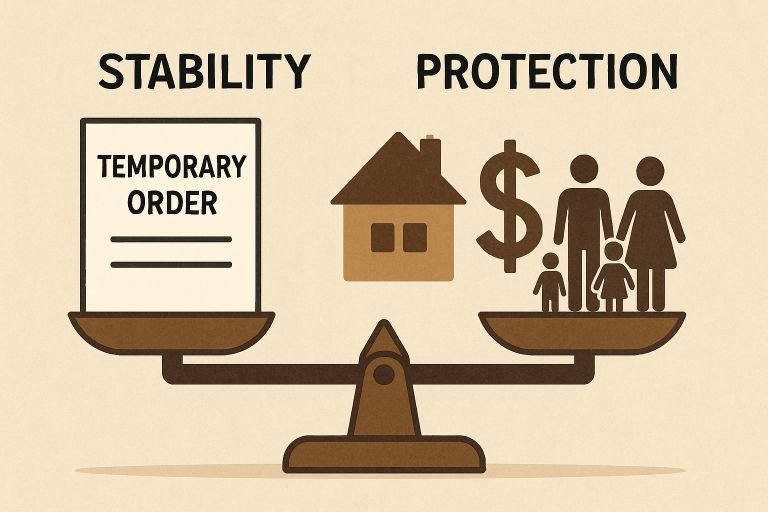
Temporary orders, sometimes called pendente lite orders, are short-term directives issued by a court while a family law matter is still pending. They are designed to address urgent needs and prevent harm to any party or child involved until a final decision can be made. Examples include temporary custody orders, protective restraining orders, or directives determining who stays in the family home during proceedings. These orders do not necessarily dictate the final outcome but serve to keep all parties safe and financially secure while the case is ongoing.
Types of Temporary Orders in Family Law
There are several types of temporary orders a court may issue in family law cases:
- Temporary Child Custody and Visitation: Establishes a schedule defining where children will live and when each parent will have time with them, ensuring stability for the children.
- Temporary Child Support: Provides financial assistance to the custodial parent to cover the children’s living expenses during the proceedings.
- Temporary Spousal Support: Orders financial support for a lower-earning spouse until the final divorce settlement.
- Exclusive Use of Property: Determines which spouse or partner has the right to reside in the marital or shared home, sometimes to protect a party or provide continuity for children.
- Restraining and Protection Orders: Issued to prevent harassment or abuse by restricting contact between the parties involved.
The Process for Requesting Temporary Orders
Obtaining temporary orders starts with filing a formal petition or motion with the family court. The party seeking relief must typically submit paperwork outlining their needs and the reasons for the request. The judge reviews the request and may order a hearing. During the hearing, both sides present evidence and arguments to support or dispute the need for the order. Courts often issue temporary orders swiftly, especially when immediate protection or urgent financial support is required. The process varies by state, and the availability of virtual hearings has streamlined relief in urgent cases.
Criteria Considered by the Court
Family court judges rely on several key factors when deciding whether to grant a temporary order, especially in cases involving children. The best interests of the child are paramount, taking into account each parent’s caretaking role, the child’s daily routine, the need for stability, and any concerns about physical or emotional harm. In support or exclusive use cases, the court looks at the parties’ financial resources, housing needs, history of domestic violence, and immediate risks of harm or hardship. The goal is to mitigate immediate risks while giving both parties a fair opportunity to make their case.
Duration and Modification of Temporary Orders
Temporary orders usually remain in place until the conclusion of the family law proceeding or until the court modifies or terminates them based on changes in circumstances. Either party can request a modification if there is a significant shift, such as a job loss, relocation, or evidence of noncompliance. Courts are generally cautious when altering temporary orders, especially if children are involved, as consistency is often in their best interest.
The Impact of Temporary Orders on Final Judgments
While temporary orders are not meant to predetermine the outcome of a case, they can sometimes influence the final judgment. For example, a temporary custody arrangement may set a precedent if it has been in place for months and is serving the child’s needs well. Judges may be reluctant to disrupt an arrangement that appears successful and stable. However, all final decisions are made on the basis of the facts and circumstances presented at trial, rather than on interim orders alone.
Enforcement and Violations
Temporary orders are legally binding. Violating them can have serious consequences, including contempt of court charges, fines, and potential changes to the violator’s custody or visitation rights. If a party fails to comply with a temporary order, the affected party can seek immediate court intervention. Courts respond swiftly to violations, particularly when the safety or well-being of children is at stake.
Final Thoughts
Temporary orders provide crucial support, stability, and safety for families in the midst of legal disputes. By addressing immediate needs and preventing harm during the legal process, they help ensure that all parties can participate in proceedings without undue risk. Whether seeking or responding to temporary orders, it is always advisable to consult experienced family law professionals to fully understand your rights and obligations during these challenging transitions.