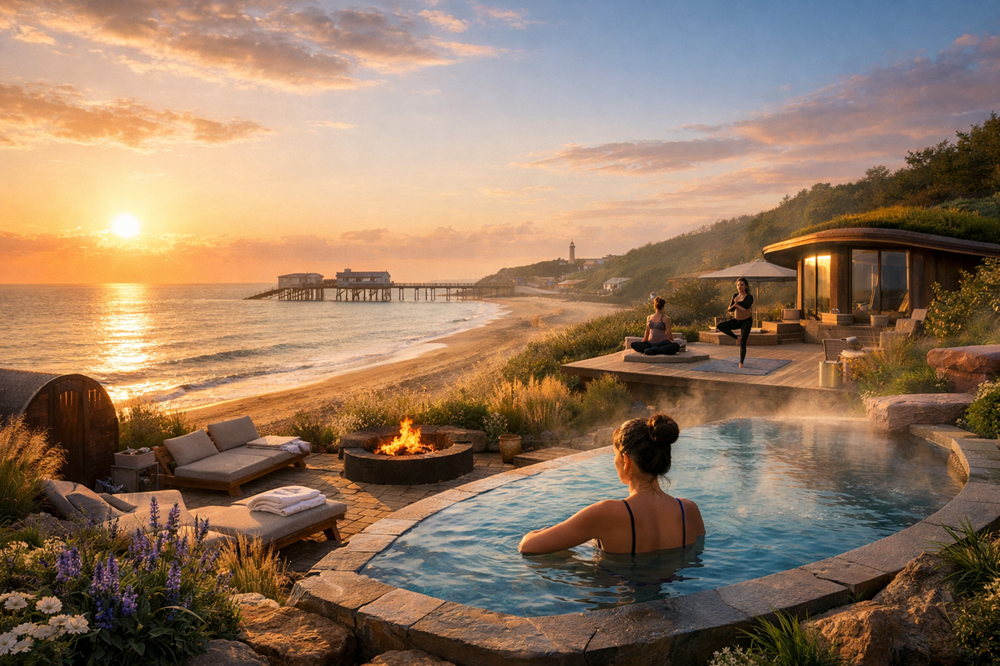
As we navigate the mid-point of the decade, the concept of the “holiday” has undergone a profound structural shift. The early 2020s were characterized by a frantic rush back to international hubs, but 2026 is defined by a more discerning, intentional approach to leisure. We are witnessing the rise of the “Restorative Micro-Retreat”—a travel philosophy that prioritizes deep recovery, environmental connection, and the luxury of absolute silence over the chaotic energy of traditional tourist hotspots.
At the forefront of this movement is a region that has long been a favorite of the British establishment but is now being reimagined through a lens of modern wellness: the East Coast. Specifically, the unique intersection of the sprawling salt marshes and the vast, “big sky” horizon of the eastern seaboard has become the gold standard for high-performance individuals looking to reset.
The Architecture of Solitude
One of the primary drivers of this regional resurgence is the evolution of the accommodation itself. The modern traveler is no longer satisfied with the “shabby chic” cottage aesthetic of the past. Today’s escape requires a seamless integration of heritage and high-tech. We are seeing a proliferation of barn conversions and architectural lodges that prioritize floor-to-ceiling glass, sustainable geothermal heating, and “invisible” smart-home integration.
This shift toward “Eco-Luxury” is not merely about comfort; it is about creating a controlled environment where the nervous system can finally downregulate. When you secure a premium coastal sanctuary in one of the quieter reaches of the coast, you are investing in a space designed for cognitive recovery. These properties often feature private “wellness wings,” including infrared saunas and cold-plunge pools, allowing guests to maintain their health protocols while immersed in a rugged, natural landscape.
The Geography of the “Big Skies”
What sets the East Coast apart from the more dramatic, craggy cliffs of the West is its sense of infinite space. The geography here is horizontal, dominated by wide sandy beaches, tidal creeks, and the famous “Big Skies.” For a professional living in a vertical urban environment, this horizontal orientation has a documented psychological effect, often referred to as “perspective shifting.”
The coastline from Wells-next-the-Sea to Blakeney offers a rhythm of life dictated by the tides rather than the clock. This is a region where the 90-mile coastline acts as a buffer against the noise of the digital world. Whether you are exploring the pine forests of Holkham or the shingle ridges of Cley-next-the-Sea, the environment demands a slower pace.
The Blue Space Effect: Water and Wellness
In 2026, the “Blue Space” effect—the proven mental health benefits of being near water—is a major factor in travel decision-making. While many head to the Mediterranean for blue water, the British East Coast offers something more atmospheric and grounding.
The “Broads,” a network of man-made but now wild-looking waterways, provide a tranquil alternative to the salt-sprayed coast. Navigating these rivers in an electric, silent-running boat allows for a unique form of “active meditation.” The sight of a marsh harrier over the reeds or the sound of water lapping against a wooden hull provides a sensory “grounding” that urban wellness centers struggle to replicate.
Sourcing the Local: The Gastronomy of the East
A wellness retreat is only as good as its fuel. The East Coast has transitioned from traditional “pub grub” to a world-class center for farm-to-table (and sea-to-table) gastronomy. The region’s sandy soil is perfect for specialized agriculture, while the cold North Sea provides some of the finest shellfish in the country.
Modern self-catering allows for a “curated culinary” experience. Travelers are increasingly ignoring standard supermarkets in favor of local smokehouses, artisanal bakeries, and organic farm shops. In 2026, the ultimate luxury is a hamper of Brancaster mussels, locally foraged samphire, and heritage vegetables, prepared in a professional-grade kitchen while watching the sun set over the marshes.
Professional Recharging in the Hybrid Era
For the remote executive or the digital strategist, the East Coast serves as the ideal “Work-from-Woods” (or “Work-from-Waves”) location. With the rollout of high-speed satellite internet across even the most remote rural areas, the “Staycation” has merged with the “Workation.”
However, the 2026 trend is toward strict “Digital Boundaries.” High-end rentals are now often equipped with “Digital Valets”—lockable Faraday boxes for smartphones and scheduled Wi-Fi blackouts—to help guests commit to a total detox. The goal is to use the environment to facilitate deep, creative thinking that is impossible in a distracted office environment.
Defining the 2026 Wellness Hubs
As you plan your escape, certain areas stand out for their specific restorative qualities. These locations have become the focal points for the modern wellness traveler:
- Holkham and the Coastal Forests: This area is the premier destination for forest bathing and long-distance endurance training. The vast pine forests meet the sands in a way that feels prehistoric and expansive, offering a rare sense of total isolation even during peak months.
- Blakeney and the Tidal Creeks: Known for England’s largest gray seal colony, this is a hub for wildlife-based grounding. Observing the natural cycles of the colony provides a powerful psychological “awe” factor, which has been shown to reduce inflammatory markers in the body.
- The Hidden Waterways of the Broads: For those who find the sea too volatile, the internal waterways offer a reflective meditation space. It is the best location for low-impact kayaking and bird watching, providing a serene backdrop for those in the middle of a high-stress career transition.
- The Ancient Woodlands of Sandringham: Beyond the royal associations, this area offers miles of ancient woodland trails. These shaded paths are ideal for mindful hiking and provide a cooler, sheltered environment for physical exertion during the warmer summer months.
The Sustainable Future of British Travel
As we look toward the end of the decade, the sustainability of our travel habits will remain under the microscope. Choosing a domestic escape on the East Coast is a vote for a lower-carbon future. It supports local ecosystems and reduces the reliance on long-haul aviation for “recharging.”
The evolution of this region proves that luxury doesn’t have to mean “excess.” Instead, luxury in 2026 is defined by Access, Atmosphere, and Authenticity. It is the access to a private view of a salt marsh, the atmosphere of a 500-year-old village combined with 21st-century comfort, and the authenticity of a lifestyle that remains deeply connected to the land.
Conclusion: Reclaiming the Narrative
The British East Coast is no longer just a nostalgic memory of childhood summer holidays; it is a sophisticated, high-performance wellness destination. By stepping away from the “noise” and moving toward the “Big Skies,” we allow ourselves the luxury of a true reset.
Whether you are seeking the “Blue Space” of the Broads or the “Eco-Luxury” of a coastal barn, the secret to a restorative year lies in the quiet corners of the country. Reclaim your quiet, invest in your recovery, and discover why the East Coast is the defining landscape of modern British travel.