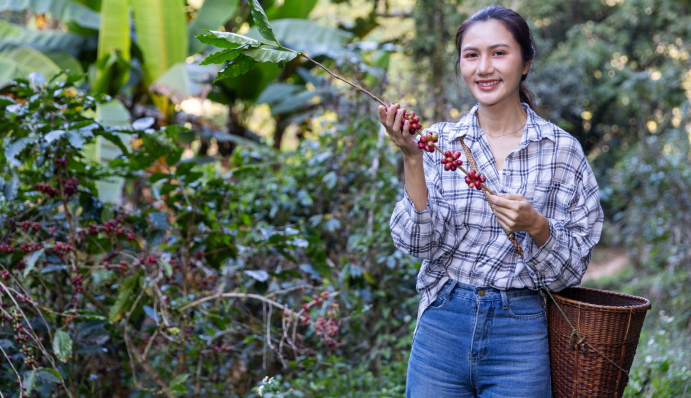
Indonesia has long been one of the most important coffee-producing countries in the global coffee trade. With millions of smallholder farmers spread across islands such as Sumatra, Java, Sulawesi, Bali, and Flores, the country plays a crucial role in supplying both specialty and commercial coffee to international markets.
Unlike large-scale plantation systems found in some countries, the Indonesian coffee industry is largely built around small farming communities. These farmers cultivate coffee in mountainous regions where altitude, climate, and volcanic soil create ideal conditions for growing high-quality coffee beans.
Because of this unique structure, collaboration between farmers, exporters, and international buyers is essential to maintain a sustainable coffee supply chain.
Today, many global coffee roasters are increasingly interested in working directly with reliable partners who have strong relationships with coffee producers in Indonesia, ensuring transparency, traceability, and consistent quality.
Supporting Smallholder Coffee Farmers
The majority of Indonesian coffee is produced by smallholder farmers who manage relatively small plots of land. These farmers play a critical role in maintaining Indonesia’s position as one of the world’s leading coffee origins.
However, smallholder farmers often face challenges such as fluctuating market prices, limited access to global markets, and inconsistent infrastructure. This is where exporters and sourcing partners play an important role in connecting producers with international buyers.
Responsible exporters work closely with farmers to improve post-harvest practices, maintain quality standards, and ensure that coffee is processed and stored properly before export.
Strengthening these relationships helps create a more stable and sustainable coffee supply chain that benefits both producers and global buyers.
Indonesia’s Unique Coffee Culture
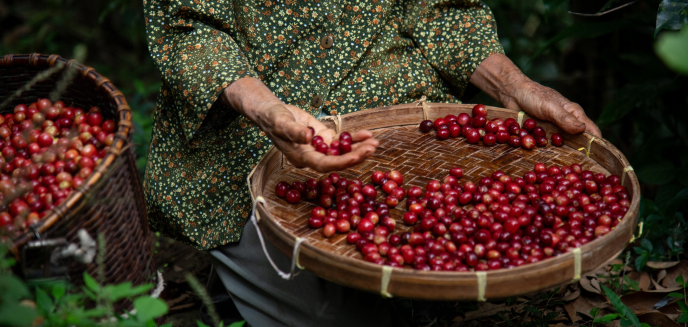
Coffee cultivation in Indonesia is not only an economic activity but also part of local culture and community life. In many rural areas, coffee farming has been passed down through generations, shaping the livelihoods of families and communities.
Each region has developed its own cultivation practices and processing methods that influence the final flavor profile of the coffee. From the bold and earthy coffees of Sumatra to the balanced and clean cups of Java, Indonesian coffee reflects the diversity of its origins.
This diversity is one of the reasons why international roasters continue to source coffee from Indonesia for both single-origin offerings and espresso blends.
The Role of Exporters in Global Coffee Trade
Exporters play a crucial role in bridging the gap between local producers and international markets. They ensure that coffee beans meet export standards, maintain proper storage conditions, and coordinate logistics for international shipments.
Companies involved in coffee export from Indonesia are responsible for managing quality control, documentation, and communication with international buyers.
Reliable exporters also help buyers navigate the complexities of sourcing coffee from different regions across the Indonesian archipelago.
Building Long-Term Partnerships
In the global coffee industry, long-term partnerships are often more valuable than short-term transactions. Buyers prefer working with exporters who understand both local production conditions and international market expectations.
Abhi, Managing Director of AKAN Coffee, emphasizes the importance of building sustainable partnerships within the coffee supply chain.
“Indonesia’s coffee industry is built on the work of millions of smallholder farmers. Our role as exporters is not only to supply coffee to international markets but also to support long-term collaboration between farmers and global buyers.”
By strengthening these relationships, the Indonesian coffee sector can continue to grow while ensuring that farmers benefit from increased global demand.

Indonesia’s Future in the Coffee Industry
With rising global consumption and increasing interest in origin-based coffee, Indonesia remains well positioned to play a significant role in the future of the coffee industry.
The country’s diverse coffee regions, strong farming traditions, and expanding export networks continue to attract attention from international roasters and importers.
As sustainability and transparency become more important in the global coffee trade, Indonesia’s smallholder-based production system offers an opportunity to build more responsible and traceable supply chains.
For international buyers seeking reliable coffee sourcing partners, Indonesia remains one of the most promising origins in the global coffee market.
For more information about Indonesian coffee sourcing and export-ready green coffee beans, visit:
https://akancoffee.com