A security camera that only records evidence after something goes wrong isn’t a security system – it’s an expensive way to document your losses. The shift happening right now is from passive recording to active prevention, and the businesses getting this right aren’t just installing more hardware. They’re building systems where every component talks to the others.
Here’s what that actually looks like in practice.
1\. High-definition visual surveillance
Most businesses begin with the camera layer, and it is also where most of them make mistakes. Analog systems of the past create grainy, compressed footage that is typically insufficient for face or license plate recognition. IP cameras of current times record footage with sufficient resolutions for digital zoom, making it essential if the footage is ever needed in a legal scenario.
Professional CCTV camera installations also consider coverage angles, lighting, and blind spots which do not exist in consumer-grade camera systems. The simplified setup using Power over Ethernet (PoE) where a single cable is used for both data and power helps reduce installation time and points of failure. When combined with cloud storage for video archives, you also solve the problem of a person destroying local hardware to destroy evidence.
2\. Access control that creates a verifiable record
Traditional keys can be risky. They are easily duplicated, lost, or shared with unauthorized individuals without any record of it. Instead, electronic access control turns each door into a timestamped data event.
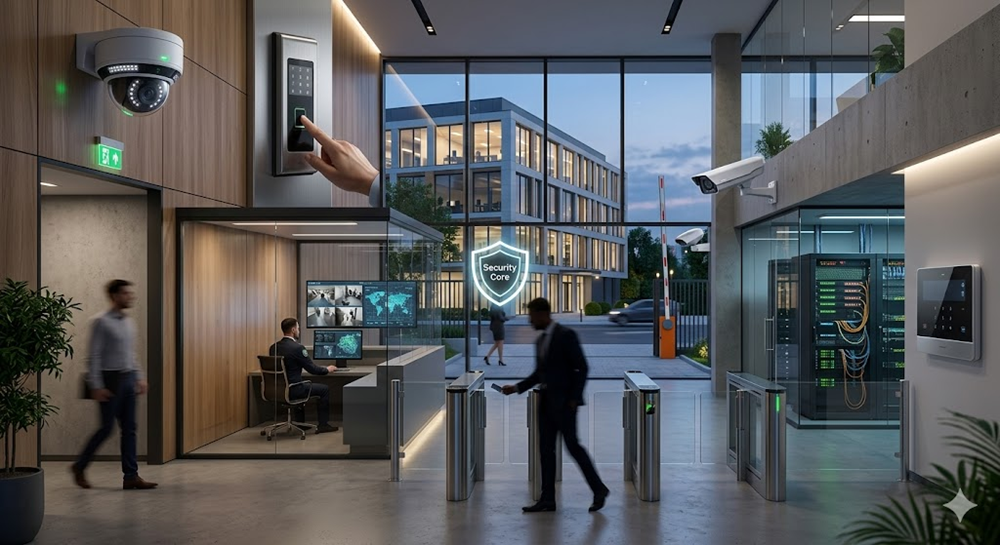
Biometric systems provide even greater security. Fingerprint or facial recognition eliminates the issue of “borrowed credentials.” While someone might be comfortable relinquishing a keycard, they can’t pass along their fingerprint. For businesses with many access points or shift employees, this creates a digital trail that shows exactly who accessed what at what time – incredibly valuable during investigation of a theft.
The marriage of this layer with camera footage is what truly lifts this approach to the next level. As an access event is triggered, the camera feed for that specific door automatically pops up. You’re not scrolling through video files; you’re seeing a live image of the person entering with that credential.
3\. Intrusion detection that alerts, not just records
In the past, these technologies could only send an alert and leave it to the security team, manager, or owner to respond. Detection technology has come so far now that single sensors are wirelessly interfacing not only with an on-site control unit but with the cloud and centralized security management solutions. This allows detection to automatically trigger a camera to tilt and pan to bring the event on-screen, or to start recording the video evidence if the camera is already directed at the scene. This facility alone – getting eyes on what moved the sensor within seconds – is a gamechanger.
4\. Remote management as standard, not a premium add-on
The hybrid workplace really did change what’s reasonably expected here for good. Your security team may not always be based at their desk, but access decisions can’t simply be put on hold. Remote management platforms provide the ability to grant temporary access to contractors, lock specific doors at the end of the day, or assess incidents all in one place without even needing to be on location.
And if you have multiple locations, it’s an absolute game-changer. Setting up and maintaining five different security solutions is expensive and causes fragmentation in what should be an integrated approach. A single management interface standardizes your approach and highlights where you’re exposed – you’re comparing insights from sites rather than treating them separately.
5\. Cybersecurity for physical systems
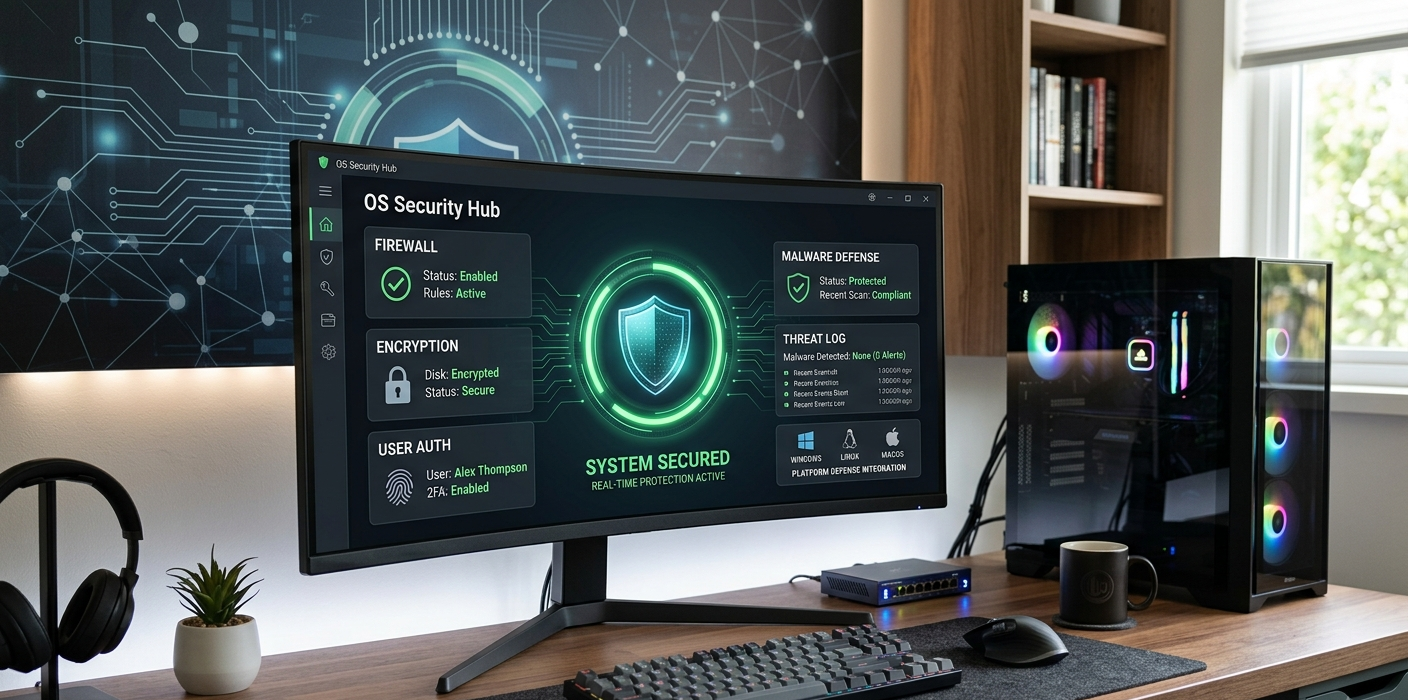
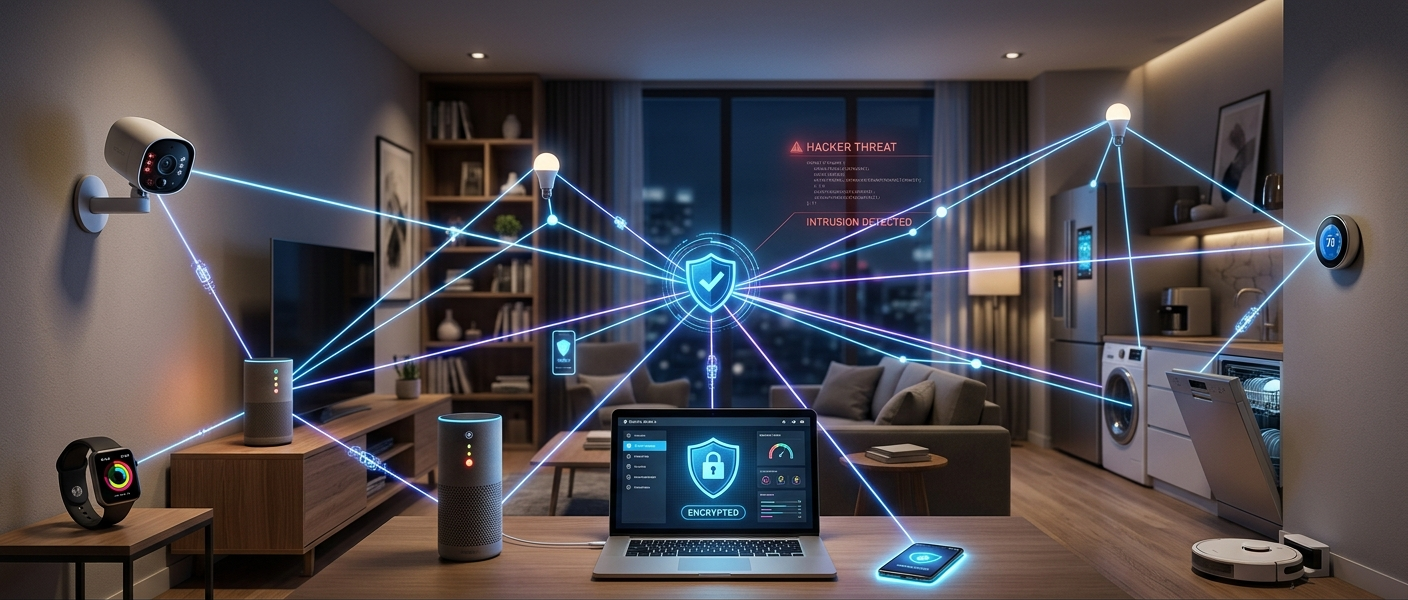
Among the wide range of potential security breaches, one of the most likely could be due to the overlooking of your security camera network. A camera is hardware and software that can be hacked, along with user accounts if default passwords go unaltered. Most businesses wouldn’t dream of leaving their wifi passwords unchanged for even days at a time. Cameras somehow slip right by.
With the right exploitation, a security camera might be turned to face the wall, watch unauthorized access from an environment it’s not hardened for, feed a hacked signal to network monitors to hide physical intrusion, or stream traffic alerts to allow a real break-in elsewhere.
If that doesn’t sound like a high-stakes failure point in your business security strategy, your insurance adjuster would likely beg to disagree.