Your senior pet depends on you to notice small changes. A Havelock, NC veterinarian depends on clear checks to catch age related issues early. Aging pets often hide pain. They slow down, eat less, or act distant. These signs can point to joint disease, heart trouble, kidney strain, or early cancer. Regular exams give your vet a clear picture of what is normal for your pet. Then small shifts stand out. Vets use simple tools. They listen to the heart and lungs. They feel the joints and spine. They check eyes, ears, teeth, and weight. They also use blood and urine tests to see what you cannot see. This steady watch helps your pet stay comfortable. It also gives you time to plan care with less fear and less doubt. You do not have to guess. You only need to show up and speak up.
How Often Senior Pets Need Checkups
Age changes the body in quiet steps. You may not see much from week to week. Yet over months, the shift can be large. Vets respond by changing how often they see your pet.
- Middle age pets: usually once a year
- Senior pets: usually every 6 months
- Very old or sick pets: every 3 months or as advised
Each visit gives a snapshot. Together, those snapshots form a clear story. That story guides care and can slow decline. You give your pet more steady comfort and fewer sudden crises.
What Vets Look For During the Physical Exam
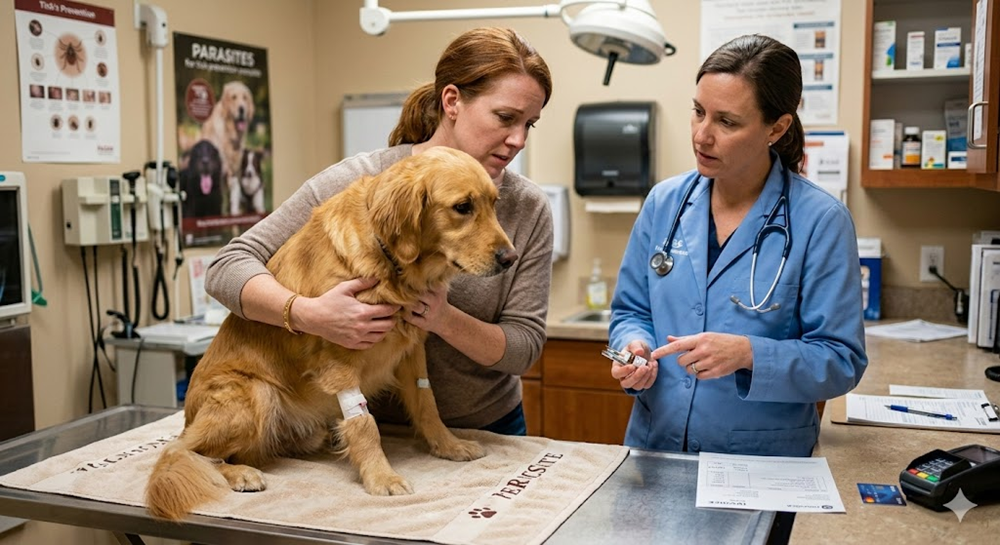
The hands and eyes of your vet are the first tools. A careful exam can reveal early signs of trouble long before tests change.
- Weight and body condition. Sudden loss can point to kidney or liver trouble, diabetes, or cancer. Sudden gain can point to heart issues or hormone change.
- Heart and lungs. The vet listens for new murmurs, irregular beats, or crackles that can suggest heart failure or lung disease.
- Joints and spine. Stiff steps, joint swelling, or back pain can reveal arthritis or nerve pressure.
- Eyes and ears. Cloudy eyes, redness, or pressure changes can mean glaucoma or high blood pressure. Ear debris can show infection or growths.
- Teeth and mouth. Gum disease and broken teeth cause pain and infection that spread through the body.
- Skin and coat. Lumps, hair loss, or thick skin patches can show allergy, endocrine disease, or cancer.
This exam feels simple to you. Yet it can uncover hidden problems that need quick action.
Key Lab Tests for Senior Pets
Blood and urine tests reveal changes inside the body long before a pet seems sick. The American Veterinary Medical Association explains how routine testing supports early care in older pets.
Common tests include three main groups.
- Complete blood count. Checks red cells, white cells, and platelets. It can show infection, anemia, clotting trouble, or some cancers.
- Chemistry panel. Checks kidney and liver values, blood sugar, proteins, and electrolytes. It often shows organ strain early.
- Urinalysis. Checks kidney function, infection, sugar, and crystals. It helps confirm what the blood work suggests.
Some senior pets also need thyroid tests, blood pressure checks, or hormone tests. Your vet matches the test set to your pet’s age, breed, and past health.
Common Age Related Issues Vets Track
Age changes often fall into a few main groups. The table below compares common problems, early signs, and common tools vets use to track them.
| Condition | Early Signs at Home | How Vets Monitor |
|---|---|---|
| Arthritis | Slow rising, hesitation on stairs, less jumping | Joint exam, pain scoring, weight tracking, sometimes X-rays |
| Heart disease | Coughing, tiring fast, restlessness at night | Heart and lung sounds, chest X-rays, blood pressure, heart ultrasound if needed |
| Kidney disease | More drinking, more urination, weight loss | Blood chemistry, urinalysis, blood pressure, body weight |
| Diabetes | More thirst, more urination, hunger with weight loss | Blood sugar, urine sugar and ketones, weight, eye checks |
| Dental disease | Bad breath, drooling, dropping food | Mouth exam, dental X-rays, regular cleanings |
| Cognitive decline | Night pacing, confusion, house soiling | Behavior history, neurologic exam, ruling out other causes |
Imaging and Other Advanced Tools
Sometimes the exam and lab tests suggest a deeper problem. Then your vet may recommend imaging.
- X rays. Show bones, lungs, and heart size. Helpful for arthritis, fractures, and heart or lung changes.
- Ultrasound. Shows soft organs like the liver, kidneys, and spleen. Helpful for masses, fluid, or texture changes.
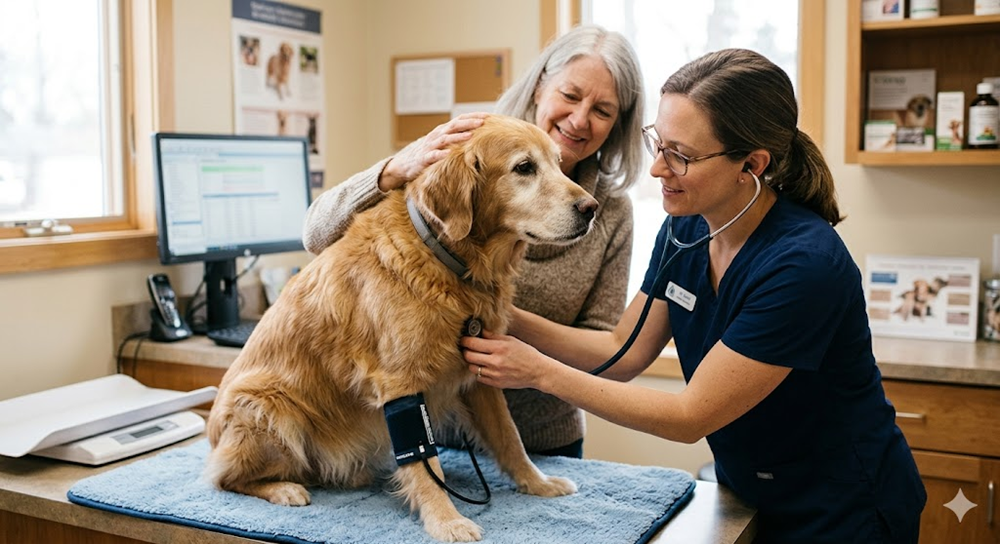
- Blood pressure checks. Reveal high pressure that can damage the eyes, brain, heart, and kidneys.
- Electrocardiogram. Tracks heart rhythm to find dangerous irregular beats.
These tools guide treatment choices. They help avoid guesswork when your pet faces a serious change.
Your Role at Home Between Visits
Vets only see your pet for short visits. You see your pet every day. That gives you real power. You can spot small changes fast if you know what to watch.
- Track food intake and treats.
- Watch water bowls for faster emptying.
- Note any change in bathroom habits.
- Look for limping or reluctance to play.
- Listen for coughs, wheeze, or louder breathing.
- Check for new lumps once a month during calm petting.
Write changes down with dates. Then share them at each visit. This record helps your vet see patterns that a quick visit might miss.
Planning Care With Trusted Information
Reliable guidance calms fear. You can study more about senior pet health from trusted sources such as universities and government partners. One helpful resource is the senior dog and cat care advice from Washington State University. It explains common age-related problems and home care steps.
When you combine that knowledge with steady checkups and honest talks with your vet, your pet gains protection. Problems are found early. Pain is eased. Crises are less common.
You cannot stop your pet from aging. You can shape how your pet ages. Regular exams, clear tests, and your careful watch at home give your senior pet calmer days, steadier comfort, and more time with you.