I-75 and I-85 merge into the Downtown Connector in Atlanta, GA, propelling traffic through the city’s core. When an injury occurs, handling the claim can become a challenging task, as evidence disappears, witnesses disperse, and insurance adjusters begin shaping the narrative while you are still receiving treatment. Advocacy makes the difference by securing video, requesting reports, lining up witness accounts, and connecting medical findings to the specific forces of the incident.
It also means protecting your timeline, since Georgia generally gives two years to file most personal injury cases, and fault allocation can reduce or even bar recovery if the other side pushes you to 50% or more responsibility. If you need Atlanta personal injury claim help, the right advocate can take over the pressure points early and negotiate from a position of proof, not assumptions, so you can focus on healing from day one.
Understanding Injury Compensation
Injury compensation pays for all the losses you incur due to an accident, from financial to physical to emotional. Claimants can be compensated for medical expenses, lost wages, and suffering, amongst other things. But paperwork on its own is not enough to secure equitable reimbursement.
The Role of Advocacy
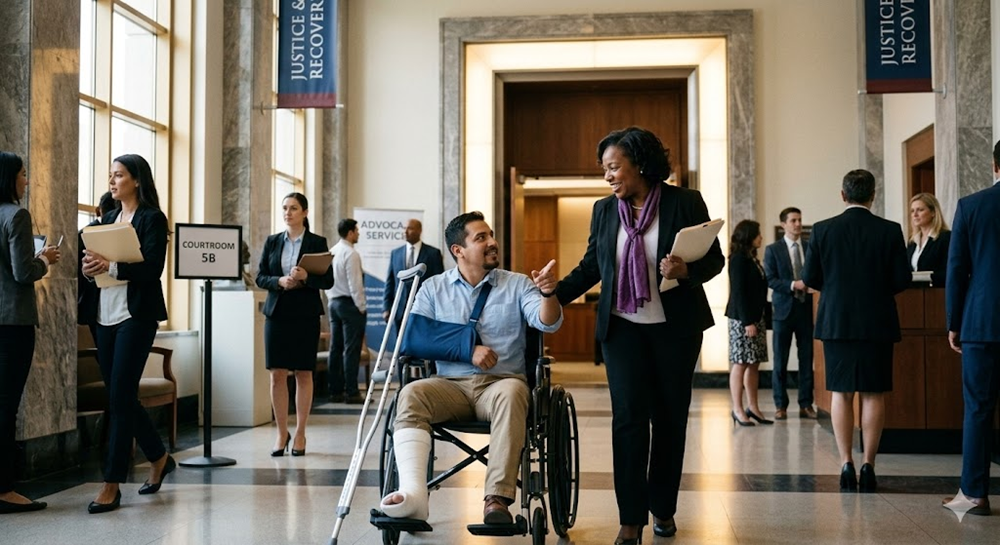
Advocacy helps the wounded through the claims process. Activists provide representation for the interests and rights of victims. With their experience, they make sure no part of the claim gets left out.
Guidance Through Complex Procedures
The process of seeking compensation for your injury can seem daunting in the eyes of the law. An advocate helps clarify each step of the way. This assurance protects against potential pitfalls and delays.
Gathering Evidence and Documentation
A well-supported claim for compensation hinges on proof. Advocates help you gather your medical records, accident reports, and witness statements. They scrutinize every aspect of the claim, guaranteeing its acceptance.
Negotiating with Insurance Providers
Insurance companies will always try to minimize the amount that they pay out. An advocate negotiates directly with the insurers, stating that a very low offer is not acceptable. This negotiation ensures that individuals who have sustained injuries receive compensation that aligns with their actual needs.
Emotional Support and Encouragement
An injury can leave a person feeling frustrated and, to an extent, emotionally distressed. The team provided reassurance and support throughout the process. This editor comments negatively on reward claimants and combat, discouraging them instead of their persistence and hope.
Ensuring Fair Treatment
The available advocacy safeguards the interests of injury victims from potential exploitation. Advocates counter these practices and insist on transparency. This participation creates a power balance between claimants and the insurers.
Raising Awareness of Rights
After an accident, individuals often do not know what they are entitled to. Advocates also help you understand what your rights are and if someone might owe you money. This procedure helps protect claimants and educate them all at the same time.
Reducing Delays in Resolution
Delays faced by unrepresented claimants could become unnecessary delays. Advocates help by keeping paperwork in order and communicating promptly. It makes it easier and less stressful for compensation seekers by minimizing the wait times.
Improving Settlement Outcomes
In many instances, settlement amounts often mirror the actual cost of an injury once advocates are involved. They are able to negotiate a better price. Such expertise provides the claimants with adequate funds they need.
Mitigating Mistakes in Filing
Mistakes in documentation can lead to claims not being honored. The implementation of advocacy reduces the risk of mistakes by ensuring that every document is reviewed carefully. This methodical approach helps to meet every requirement as per the due date.
Protecting Against Unfair Blame
Some cases attribute the blame for accidents to the injured parties. Advocates defend against such accusations. Advocates gather evidence to establish the truth and protect the plaintiff’s reputation.
Advocacy in Court Proceedings
If disputes concerning compensation escalate to court proceedings, the advocates represent the injured parties in court. They have experience preparing strong arguments, and, above all, they also have evidence at their disposal. Such an arrangement allows for a result that is more likely to be a fair one.
Supporting Vulnerable Individuals
Other claimants may be older or have a disability, so that can be extra difficult for someone. Advocates focus specifically on these individuals. They ensure that those in vulnerable positions get the care and compensation they need.
Promoting Long-Term Recovery
Advocacy is not just about getting paid back; it is about long-term well-being. We encourage injured parties to seek prompt medical treatment and rehabilitation. Their participation leads to a better recovery.
Encouraging Policy Improvements
Besides individual cases, advocacy sets no boundaries. Catalysts demand changes to compensatory practices by bringing outmoded issues to the forefront. These improvements will help future claimants and reduce the burden on the process as a whole.
Conclusion
When it comes to receiving compensation for an injury, having an advocate makes a significant difference. Having guidance and support, together with the knowledge and experience from an expert, results in claimants receiving fair representation and better results. When you have someone fighting for you during this difficult time, it allows those who are injured to feel more secure and confident.