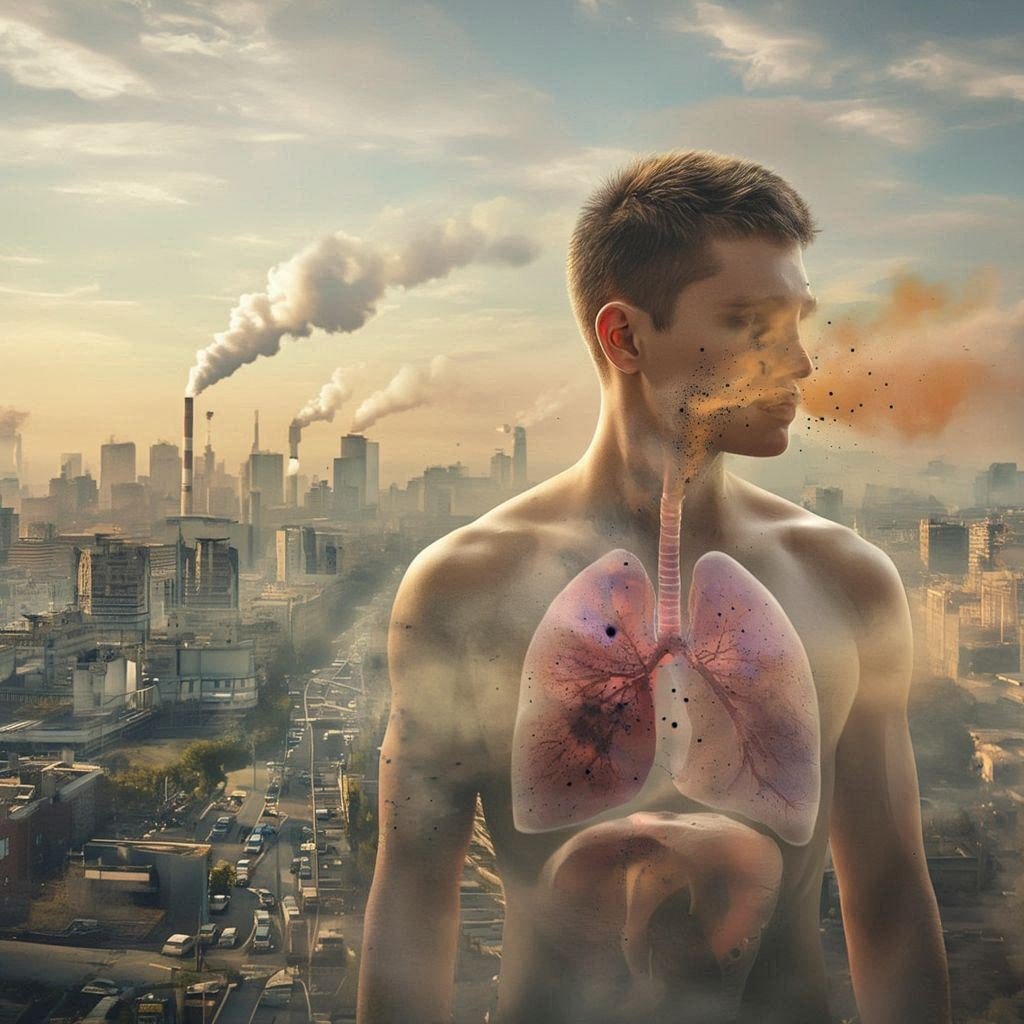
Air forms a vital part of life but the quality of air that we breathe has been a growing concern in every part of the globe. The fast industrialization, urbanization processes, and the increase of vehicle emissions into the air introduced the plethora of substances into the atmosphere that could potentially harm the human health. The lungs are some of the body organs that are most susceptible to the polluted air where one is constantly exposed to substances in each breath.
In case individuals breathe contaminated air, microscopic particles and harmful gases find their way into the respiratory system and directly contact the airway tissues. However, these substances known as environmental pollutants are particulate matters, carbon monoxide, nitrogen oxides, and other chemical compounds that affect normal breathing. With time, the frequent exposure to these pollutants may disrupt the structure of airways, diminish the ability of these airways to perform their functions effectively, and predispose individuals to chronic respiratory diseases.
It is important to understand the long term health effects of air pollution using the knowledge of how it affects the functions of the lungs. There is a definite need to ensure clean air by studying the way pollutants combine with the respiratory system, which explains why this is essential to safeguard lung health and prevent illness.
Awareness on Air Pollution and Environmental Pollutants
Air pollution can be defined as the presence of elements that are harmful in the atmosphere and can result in damage to the human being or the ecosystem. These are substances that are both natural and manmade. Pollution may be naturally introduced in the air by wildfires, dust storms, and volcanic eruptions, although modern pollution is largely fueled by human activities including industrial production and transportation as well as burning fossil fuels.
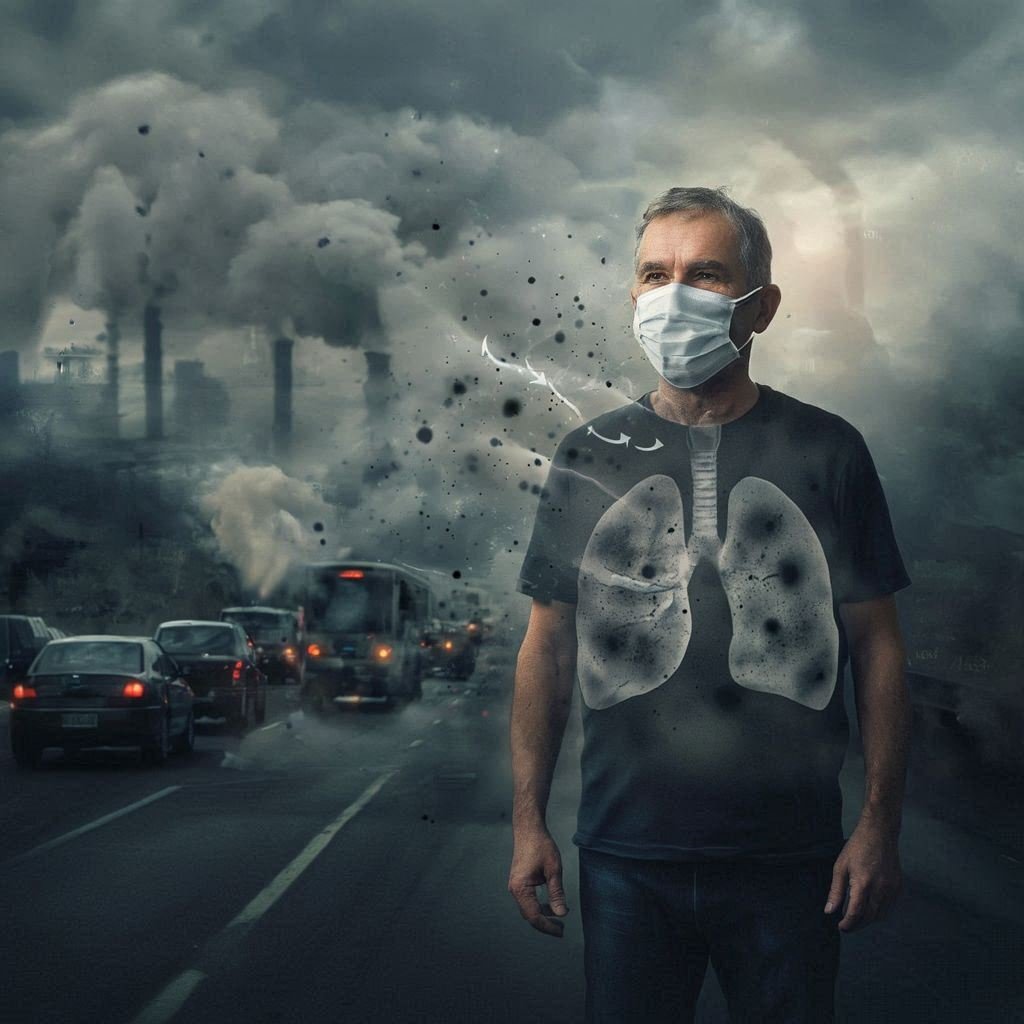
Particulate matter, carbon monoxide and nitrogen oxides are some of the most alarming environmental pollutants known to have adverse effects on respiratory health. These pollutants can be of a different size and chemical structure; however, they all can enter the respiratory system and disrupt the performance of the lungs.
The particulate matter are small solid or liquid particles suspended in the air. The size of these particles is usually divided, e.g. PM10 and PM2.5, to indicate the particles with under 10 or 2.5 micrometres in diameter. These particles are very minuscule and thus they are able to move deep into the lungs and into the alveoli where gases are exchanged.
Another harmful pollutant that is caused by unreliable combustion of fuels is carbon monoxide. It is not coloured, no-scented, and thus is quite dangerous as one can be exposed to it with no possible notice. Carbon monoxide disrupts the body by the blood system and oxygen capacity, which stresses respiratory and cardiovascular systems.
Nitrogen oxides are some of the gases that are usually emitted by industrial processes and vehicle engines. These gases cause irritation to airway tissues and help in the development of secondary pollutants like ground-level ozone that deteriorates even further the air quality.
Once such environmental pollutants are deposited in the air, the respiratory system is the main point of entry and hence the way through which they can influence the human body.
The Way Environmental Pollutants get into the Respiratory System
The respiratory system is structured in such a way that it permits oxygen into the body and eliminates carbon dioxide out. The air enters the mouth or nose, passes down the trachea into a series of branching bronchi and bronchioles which lead to the alveoli of the lungs.
Despite the protective strategies which the respiratory tract exhibits (mucus and cilia trapping and removal of particles), it is not always possible to clear all pollutants entering the body. Very minute particles and gases may overcome these defences and travel further into the lungs.
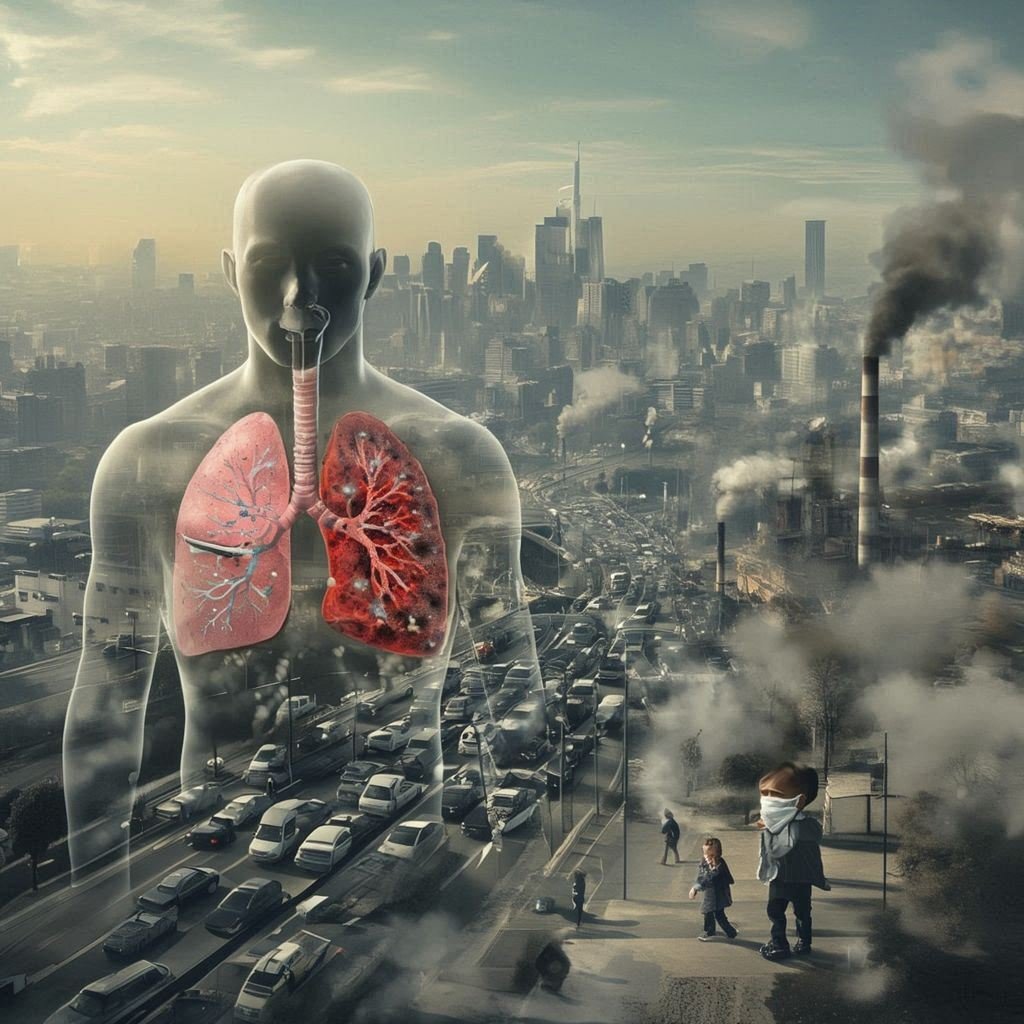
The reason why fine particulate matter is so worrying is that it may enter the alveoli, which are fine air sacs where exchange of oxygen takes place. The pollutants once they enter these structures may come into direct contact with lung tissue and result in inflammatory responses.
Continuous contact of the environment pollutants can surpass the natural defences of lungs. With an increasing number of the pollutants in the respiratory tissues, the pollutants might destroy airway cells, affect the normal breathing patterns and decrease the capacity of lungs to exchange gases efficiently.
Airways Damage and Inflammation by Pollutants
The inflammatory process in the respiratory tract is one of the most direct consequences of the breathing of contaminated air. Once dangerous particles and gases find their way to the airways, the body identifies them as foreign substances and triggers defences.
The cells of the immune system emit the chemical signals that result in the inflammation of the airway tissues, leading to swelling and irritation. Although such response is aimed at safeguarding the body, continuous exposure of the body to environmental pollutants may result in prolonged inflammation which destroys lung structures in the long run.
Inflammation impacts on large and small airways. The bronchi and bronchioles lining might swell, dismissing the air passages and increasing the difficulty of the air moving in and out of the lungs. Moreover, the mucus can be produced in greater amounts and thus it will further impede breath passage.
The systematic inflammation may also destroy the sensitive tissues of the alveoli. These organs are built upon very thin membranes to enable carbon dioxide and oxygen to travel easily between the blood and lungs. With the thickening of these membranes by inflammation or destruction of their structure, the exchange of gases becomes less efficient.
With time, recurrence of inflammatory reactions can lead to irreversible modifications in the lungs. Wall of airways may be thickened, tissues, which are elastic, may lose their flexibility, and the general functioning of lungs may deteriorate.
Poor Exchange of Oxygen and Carbon IV in the Alveoli
The alveoli is an essential part of the respiratory system since it is the location where the oxygen and carbon dioxide exchange between the blood vessels and the lungs occur. Millions of these tiny air sacs are found in each lung giving it a high surface area to exchange the gases.
Nevertheless, in case of an invasion of pollutants of the environment into the alveoli, it is possible to disrupt this fragile process. Fine PM can be deposited on the surfaces of the alveoli, and toxic gases can cause injury to cells lining those structures.
“exposed alveoli to environmental pollutants of the oxygen exchange”
There are various issues that may occur in the alveoli due to the exposure to pollutants. Inflammation can cause the thickening of the alveolar membrane and increase the difficulty of oxygen molecules in getting to the bloodstream. Destruction of alveolar cells can also lower the amount of surface on which gas exchange can occur.
In serious cases, scarring of lung tissue can be caused by the in-depth exposure of the pollutants. This is called fibrosis which makes the lungs less elastic and hinders effective expansion and contraction of the lungs.
Under exchange of oxygen is impaired, the body can get less oxygen than it requires to sustain normal metabolism. This decline may influence physical, cognitive, as well as health.
Rapidly Growing Risk of Respiratory Diseases
Prolonged exposure to contaminated air has been highly linked with increased risk of respiratory illnesses. The more the environmental pollutants keep destroying the lung tissues and the onset of persistent inflammation, the more people are vulnerable to various respiratory diseases.
Asthma is among the most prevalent conditions that are influenced by air pollution. Asthma attacks may occur as a result of pollutants that irritate the airways and make them sensitive to airway. Asthma manifestations are high and frequent among the people who live in high pollution regions.
Another disease closely related to a prolonged exposure to pollutants is chronic obstructive lung disease (COPD). COPD is characterized by permanent airway blockage and loss of lung capacity, which becomes more challenging to breathe in with time.
There is also increased chance of respiratory infections that are related to air pollution. Pollutants may put the natural defence system of the lungs in a weak position, which leads to the easy entry of bacteria and viruses through the respiratory tract.
Children and the elderly are considered to be the most susceptible to such effects. Child lungs are still immature and as a result, any exposure of children to environmental pollutants at a tender age can have a long time effect on the growth of the lung as well as the breathing system.
Conserving the Health of Lungs against Environmental Contaminations
Though air pollution is still a problem of the world, people can do something in order to decrease their exposure and save their breathing health. The issue of environmental awareness is a valuable initial move to reduce the negative consequences.
People can also use monitoring local air quality reports to organize their outdoor activities when the pollution is not so large. During smoggy days or when there is heavy traffic, one can avoid outdoor activities, which would greatly help avoid the inhalation of harmful particles.
Increasing the indoor air quality is also significant. Proper ventilation, which can be achieved by the use of air filtration systems, prevention of indoor sources of pollution such as tobacco smoke and maintenance of healthy indoor conditions is possible.
At a larger scale, the decrease in dependence on fossil fuels and the assistance of the cleaner energy technologies can help to make the air quality better in the long term. Sustainable transportation policies that govern emissions are crucial in bringing the environmental pollutants levels even in the atmosphere.
To get a more in-depth scientific description of the impacts of pollution on respiratory health, refer to this research source on environmental pollutants.
Conclusion
Air pollution is one of the greatest threats to respiratory health which poses a threat to the environment. The substances introduced each time a person breathes polluted air include substances that can irritate airways, destroy lung tissue and disorient the mechanism of exchanging oxygen in the body.
The exposition to the environmental pollutants like particulate matter, carbon monoxide, and nitrogen oxides may provoke inflammation in the respiratory system and impair the work of the exchange of alveolar gases. In the long term, the consequences can lead to chronic pulmonary illnesses, exposure to higher risks of infection, and decreased pulmonary performance.
Healthy lungs and healthy lungs need to be safeguarded by personal attention as well as by group efforts. Through exposure reduction to polluted environments, indoor air quality enhancement, and a policy-favouring reduced emissions, the communities can contribute to safeguarding the respiratory system against the long-term consequences of air pollution.
Clean air does not only represent an environmental objective, but also the basic need of human health. Healthier air quality is one way of ensuring that lung work is preserved, general health is enhanced and respiratory systems that keep us going, supported.