In Newark, access to world-class healthcare facilities and a strong medical community gives residents confidence in the treatment they receive. Hospitals, clinics, and pharmacies across the region serve thousands of patients daily, providing essential care. However, when mistakes occur in prescribing, dispensing, or administering medication, the consequences can be serious and life-altering. Patients and their families are often left with unexpected complications, unanswered questions, and concerns about accountability.
In such situations, understanding whether the error resulted from negligence requires careful legal and medical evaluation. Experienced legal professionals, including O’Connor, Parsons, Lane & Noble, help individuals investigate what went wrong and determine whether their rights were compromised. With the right legal guidance, those affected can seek clarity, protect their interests, and pursue appropriate action after a medication error disrupts their life.
Initial Client Consultation
During this stage, an attorney meets with the individual or their family to understand the details of the incident. They listen to concerns, review any available documentation, and ask specific questions about the medication involved. Clear communication helps build trust and establish the foundation for the case. Each small detail, from the symptoms observed to the instructions provided by healthcare professionals, matters.
Reviewing Medical Records
In order to uncover any inconsistencies or omissions, lawyers request complete medical records. These include prescriptions, doctors‘ orders, treatment notes, and pharmacy logs. A thorough review helps determine whether a healthcare provider made an error. If the documentation reveals the wrong medicine was prescribed, or that the dosage instructions were unclear or incorrect, it may indicate a breach in proper care.
Consulting Medical Experts
Law firms often consult independent medical experts to review the facts and provide opinions on whether the accepted standard of care was followed. Having a written opinion from a domain expert helps clarify how the errors occurred and whether negligence was involved. Written expert opinions can also be used during negotiations or presented as evidence in court.
Identifying the Responsible Parties
A medication error can involve multiple individuals. Responsibility could lie with the prescribing doctor, dispensing pharmacist, administering nurse, or even the healthcare facility. Attorneys carefully examine each step in the medication process to determine where the breakdown occurred. In some cases, miscommunication among healthcare providers contributes to the error.
Evaluating Damages
Lawyers evaluate the physical, emotional, and financial consequences of medication errors. This may involve reviewing new or existing symptoms, additional hospital visits, and lost wages. Determining damages means collecting proof of medical bills, future treatment, and loss of quality of life. All these aspects, together, help decide the total monetary compensation.
Establishing Causation
It is essential to establish a clear connection between the medication error and the injury. They then assemble proof to demonstrate that the error caused actual harm. Several medical professionals might state why the complication occurred and whether it was due to the wrong drug or dosage. If causation is not established, the case may ultimately fail in court or during settlement discussions.
Gathering Supporting Evidence
Supporting documentation strengthens a claim. Attorneys may collect medication packaging, prescription labels, and written instructions. They also gather photos, witness statements, and timelines. These materials show the chain of events and indicate any breaches in care.
Determining Legal Strategy
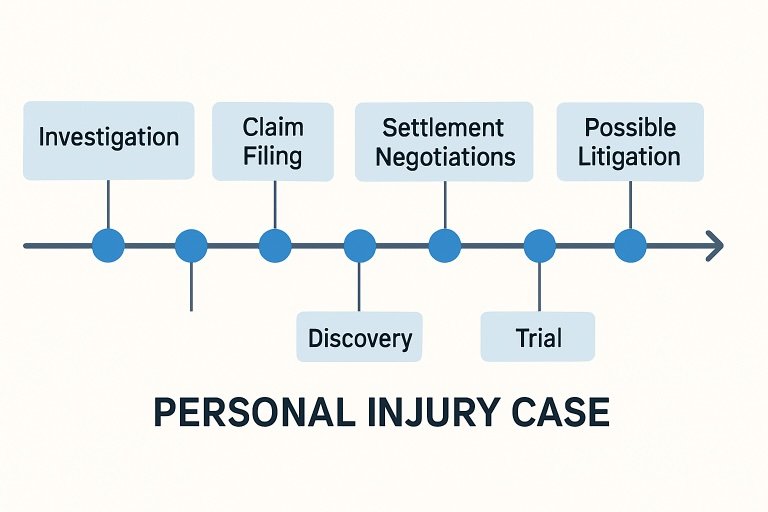
The legal team will review all evidence gathered and determine the best approach. Certain cases are settled through negotiation, while others are pursued through formal litigation. The approach depends on the strength of the evidence and on the parties’ willingness to settle. This helps set clear expectations with clients about the possible outcomes.
Navigating Insurance and Regulatory Reporting
Medication error cases often involve insurance companies or regulatory agencies. They assist their clients in understanding the reporting requirements and filing any necessary claims. They will ensure that all necessary documents are filed on time. The timing of the progression and/or settlement of the case may depend on how well you coordinate with insurers or regulators.
Preparing for Settlement or Trial
If a settlement cannot be reached, the matter may go to court. Lawyers prepare arguments, gather evidence, and arrange witnesses for the testimony. Thorough preparation strengthens the client’s position in court. At the same time, settlement discussions may continue as new information becomes available.
Guiding Clients Through the Process
Legal professionals guide clients through the process, providing updates and answering questions. This helps reduce stress and uncertainty during a difficult time. Attorneys who maintain clear communication allow clients to make informed decisions and ensure that their best interests remain the priority.
Conclusion
Evaluating drug errors requires a careful and systematic strategy. Legal teams combine medical knowledge, detailed reviews of the available evidence, and legal experience to advocate for affected individuals. This process helps protect the rights of those harmed and provides clarity and direction for clients seeking accountability and resolution after a medication error.