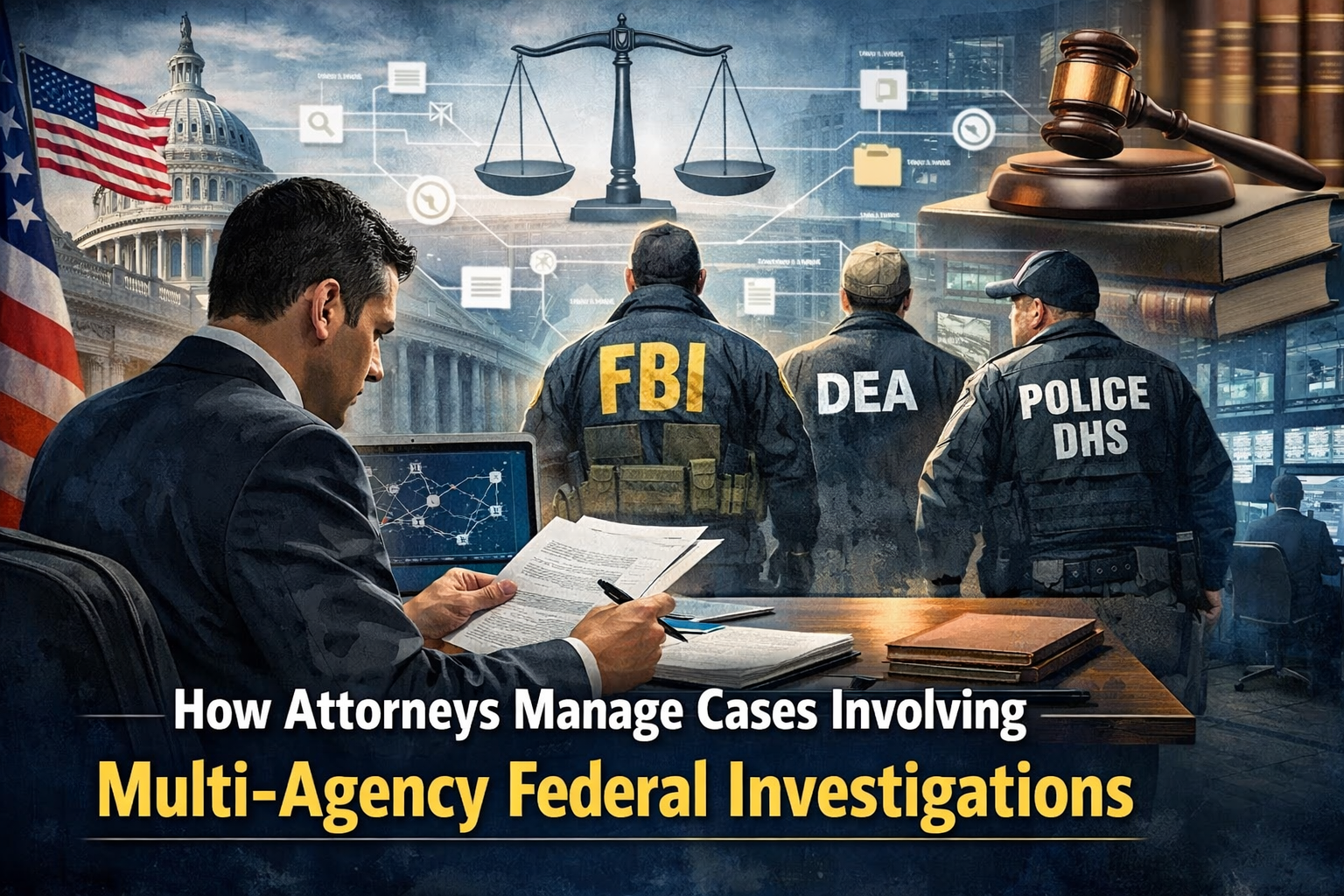
Phoenix has become a major hub for commerce, transportation, and international trade, making it a focal point for federal oversight and enforcement. Its proximity to the U.S.–Mexico border, combined with its rapidly expanding business and technology sectors, means that investigations in the area often involve multiple federal agencies working together. When several agencies participate in a single case, the process can become more complex, with overlapping inquiries, extensive documentation requests, and heightened scrutiny.
For individuals and businesses, understanding how these investigations unfold is critical to protecting their rights and avoiding unintended missteps. Coordinating responses and maintaining consistency across different authorities requires careful legal planning and experience. A federal crimes lawyer in Phoenix can help manage communications, evaluate risks, and develop a unified strategy during these high-stakes situations. With proper legal support, clients are better equipped to face multi-agency investigations with clarity and confidence.
Understanding Multi-Agency Federal Investigations
There are many reasons why investigations stretch over more than one federal agency. However, the alleged conduct in some cases spans multiple legal domains, which necessitates a jurisdictional consensus. Attorneys need to know what each agency does and what it wants. For the agencies involved, this allows them to get ahead of requests or actions that may affect their clients. Knowing about each organization helps at each step and improves preparation.
Communication and Coordination
Clear communication is vital for successfully managing multi-agency investigations. Lawyers serve as a bridge between government agents and the client. Frequent updates help prevent misunderstandings. Close coordination with agencies also ensures rapid responses to document requests or interviews. Every conversation and deadline must be carefully recorded to ensure no involved party is misinformed.
Confidentiality and Information Management
Handling sensitive information requires care. This means that lawyers must balance their efforts to protect the privacy of their clients with their efforts to cooperate with investigators. Multiple agencies sometimes request the same documents or ask similar questions. Attorneys vet each request to prevent over-disclosure. They usually transmit or receive information over secure channels to protect and confidentiality.
Strategic Planning and Preparation
Planning forms a crucial part of handling multi-agency matters. Attorneys analyze the facts and potential outcomes before taking action. Each agency might have different deadlines or investigative methods. Lawyers map out every step, considering possible agency moves or responses. Preparing for interviews and hearings involves a thorough review of documents and evidence. This approach helps them present a consistent defense regardless of which agency leads a particular phase.
Responding to Subpoenas and Requests
Subpoenas are often issued by federal agencies. Attorneys review these requests to determine if it meets statutory standards. They also bargain with investigators to modify a request that seems too demanding. They assist clients in gathering required documentation while safeguarding legal privileges. When a subpoena is issued, prompt response becomes essential; procrastination can make matters more complicated.
Negotiating with Multiple Agencies
When multiple agencies are involved, negotiations can be trickier. Lawyers deal with communications from each office separately, often with conflicting interests. They usually want to cut deals to minimize or limit risk for their clients. Getting the details right in drawing up settlements or cooperation pacts is a painstaking business. Attorneys strive to secure the best results for their clients. At the same time, they also need to stay on good terms with government officials and maintain cordial relationships with them.
Adapting to Changes and Challenges
Federal investigations pivot fast. The case may change course due to new evidence or/and/or agency priorities. Lawyers are adaptable and will change their tactics on a dime. They track all updates from participating agencies. This allows them to quickly and appropriately respond to any changes. By reviewing the situation, they can effectively respond to new developments.
Client Support and Guidance
Those compelled by multi-agency clients usually feel stress or uncertainty. Legal counsel walks you through every step of the process. A lawyer assists clients in understanding their rights and responsibilities. Frequent contact will provide clients with the reassurance they need and will help them prepare for interviews or court appearances. It provides guidance for individuals to make informed decisions during the investigation.
Conclusion
Handling legal issues that implicate multiple federal agencies can be challenging, but preparedness and flexibility are key. In such complex cases, attorneys serve as their client’s guide, protector, and strategist. They approach the task with clear communication, sound planning, and a flexible approach. Lawyers coordinate with their clients, other attorneys, and government agencies simultaneously to ensure a fair outcome for everyone involved.