We live in an era of infinite images. Every phone holds thousands of photographs, yet most of them remain unseen after the moment they are taken. They exist as data — stored, duplicated, forgotten. At the same time, our homes increasingly reflect a desire for authenticity, calmness, and personal meaning.
This tension between digital excess and emotional minimalism may explain why string art is experiencing a renaissance.
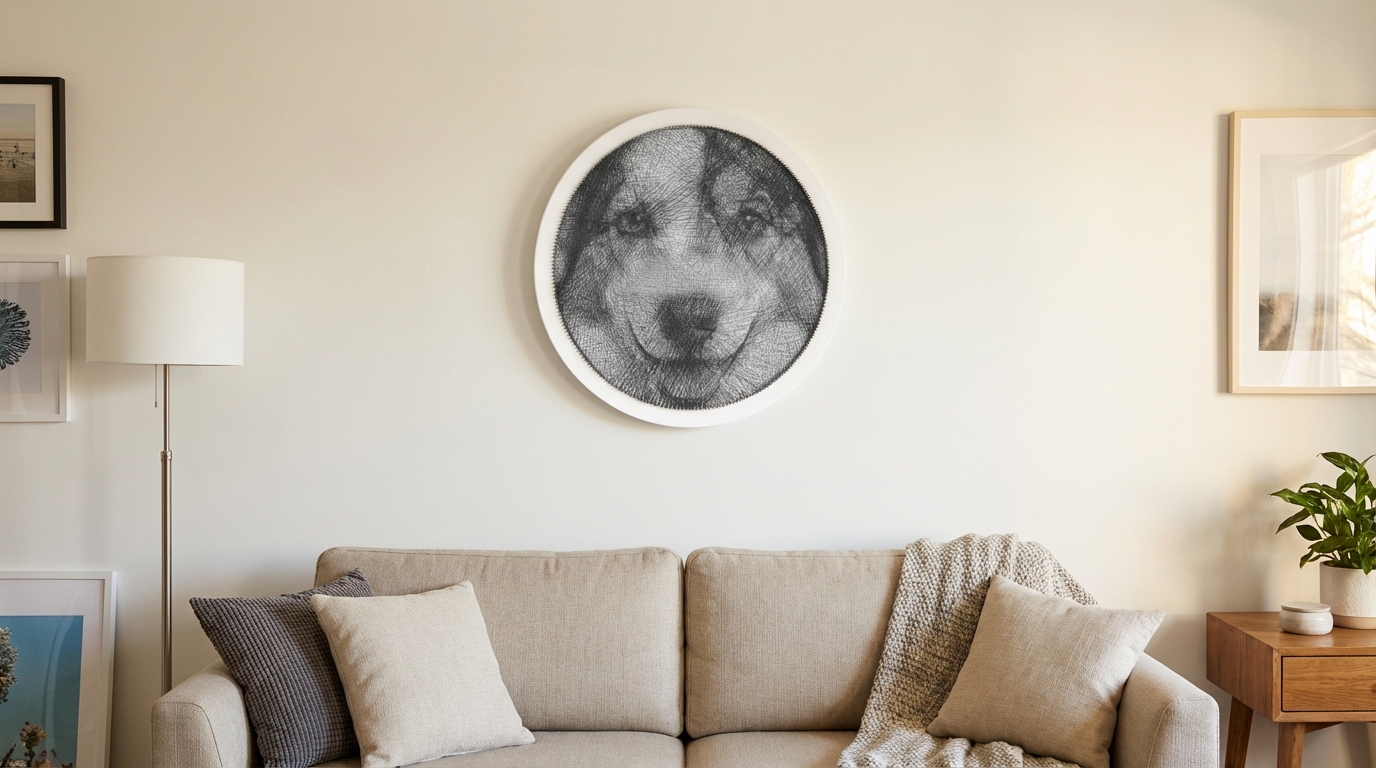
Unlike printed posters or canvas enlargements, string art does not replicate a photo — it interprets it. A portrait made from thread is both precise and abstract. From a distance, the face appears realistic. Up close, it dissolves into hundreds of intersecting lines, each one contributing to depth and tone.
The result feels intentional rather than decorative.
The Structure Behind the Aesthetic
Modern string art portraits are based on carefully calculated weaving paths. The image is analyzed for contrast and shadow distribution. Dark areas require dense thread crossings; lighter zones remain open. The final design becomes a map — a sequence of connections between precisely placed nails on a wooden base.
This combination of algorithmic structure and manual execution creates something unusual: predictable precision paired with handcrafted presence.
It is this balance that distinguishes contemporary string art from earlier decorative craft versions. Today’s designs are cleaner, often monochrome, frequently circular, and intentionally minimalist. They fit effortlessly into Scandinavian-inspired interiors, modern apartments, and even children’s rooms without overpowering the space.
Why the Process Matters
In many creative hobbies, the final object is the main reward. With string art, the process itself becomes part of the value.
The act of threading nail to nail is repetitive and rhythmic. There is focus involved, but not stress. Each connection contributes to gradual clarity. Facial features emerge slowly, almost unexpectedly.
Psychologically, this slow reveal creates a deeper attachment to the finished piece. It is no longer just an image — it is something built line by line.
In this way, string art reconnects digital memory with physical time.
A Different Kind of Personalization
Personalized wall decor is not new. Custom prints, engraved items, and photo books have existed for years. However, they often remain passive objects. You order them, you receive them, you hang them.
String art invites participation.
Some brands in the field focus on fully assembled custom portraits. Others emphasize the DIY dimension, allowing individuals to construct their own piece based on a calculated template. For example, companies like Spatar, Let’s String, Ring String, or Wire Style demonstrate different interpretations of the medium — from graphic stylization to fine-line portrait approaches.
Within this evolving category, brands such as Spatar represent a structured DIY approach, combining pre-drilled wooden bases with algorithm-based thread mapping. The concept preserves accuracy while maintaining accessibility for beginners.
The emphasis is not on artistic talent but on following a sequence with care.
Interior Impact Without Visual Noise
Modern interiors often aim for clarity. Too many colors or overly expressive artwork can disrupt the balance of a room. Monochrome string art portraits solve this elegantly.
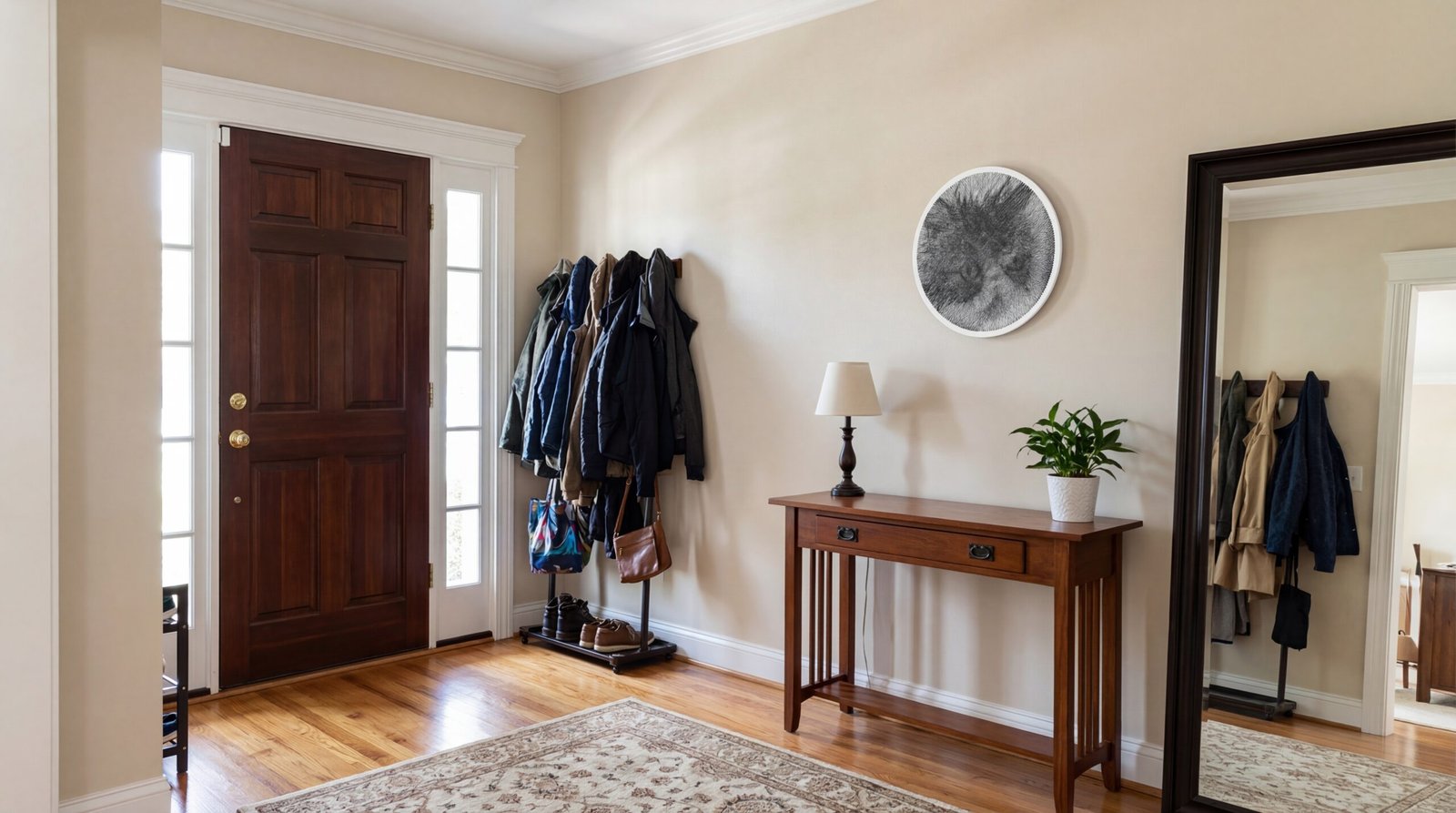
Black thread on a light wood or neutral base creates contrast without chaos. The artwork becomes a focal point, yet it remains visually calm. Because the image is built from lines rather than solid color blocks, it interacts with light differently throughout the day.
This subtle dynamism makes it particularly suitable for contemporary spaces.
Meaning Beyond Decoration
At its core, string art speaks to something larger than design trends. It addresses a need for tangible memory.
In a time when most visual experiences are consumed on screens, the act of translating a photograph into thread feels almost symbolic. It transforms pixels into structure, fleeting moments into something stable.
A portrait created this way carries both the image itself and the hours invested in its construction. It becomes layered — technically, visually, emotionally.
Perhaps that is why this medium resonates now. It offers a bridge between digital life and physical presence. It respects modern aesthetics while reintroducing patience and materiality.
And in that quiet balance between calculation and craftsmanship, string art finds its contemporary relevance.