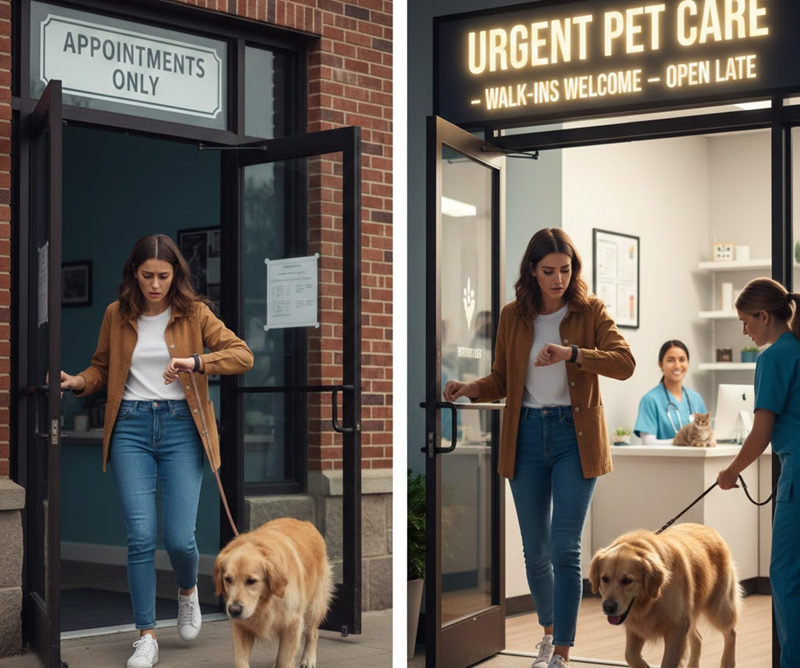
When your pet starts limping at midnight or skips food without warning, you feel a sharp mix of fear and urgency. You need help fast. Many pet owners now turn to urgent care instead of waiting for a traditional clinic visit. The reason is simple. Urgent care fits real life. It meets you in the messy moments when your pet cannot wait for an opening next week. In many cities you can find an urgent care that works with your regular Pensacola veterinarian or primary clinic. This creates a smoother path for follow up care. You do not need to choose between quick help and trusted care. You can have both. This blog shares three clear reasons pet owners walk into urgent care when time feels tight and worry feels heavy.
Reason 1: Urgent Care Gives Faster Help When Minutes Feel Long
When you watch a pet struggle to breathe or cry out, every minute hurts. Waiting for an open slot the next morning feels impossible. Urgent care focuses on short wait times and walk in visits. That can change the outcome for many problems.
Common urgent care visits include
- Vomiting or diarrhea that starts suddenly
- Cuts, bites, or torn nails
- Allergic reactions with hives or swelling
- Straining to urinate
- Eye redness or squinting
These problems may not be true life or death emergencies. Yet they still bring pain, risk, and fear. Urgent care teams are set up to move fast. They use triage. That means they check pets on arrival and move the most severe cases to care first. You see this same model in human urgent care centers.
The Centers for Disease Control and Prevention show that shorter waits in human urgent care reduce stress and improve follow-up. The same pattern holds for pets. Shorter waits mean earlier treatment. That means less damage, less cost, and less worry for you.
Reason 2: Urgent Care Often Costs Less Than Emergency Hospitals
Money should not decide if a pet gets care. Yet cost still matters. Many families try to avoid full-service emergency hospitals because they expect a large bill. Urgent care often sits in the middle. It offers more hours and more support than a small clinic. It often costs less than a 24-hour emergency hospital.
Every clinic sets its own prices. Still, you often see this pattern.
| Type of visit | Typical hours | Visit style | Relative cost | Best for |
|---|---|---|---|---|
| Traditional clinic | Weekdays, some evenings | Appointment only | Lowest | Routine care and planned follow up |
| Urgent care | Evenings and weekends | Walk in or same day | Medium | Sudden problems that cannot wait |
| Emergency hospital | 24 hours daily | Walk in | Highest | Life threatening emergencies |
Urgent care teams treat a wide range of problems. Yet they also know when a pet needs a full emergency hospital. They can stabilize your pet, control pain, and arrange transfer when needed. That avoids paying emergency prices for problems that urgent care can safely treat on site.
Routine care is more effective after treatment. When you catch illness early, your regular clinic can manage long-term needs with fewer visits. That saves money and protects your pet.
Reason 3: Urgent Care Extends Your Regular Veterinarian’s Support
Many pet owners fear that using urgent care will upset their regular clinic. The truth is often the opposite. Many primary veterinarians welcome urgent care support. It keeps their schedule focused on checkups, vaccines, and ongoing treatment plans. It also keeps their patients from sitting at home in pain.
Urgent care can
- Share visit notes and test results with your regular clinic
- Start treatment and ask your primary clinic to handle follow-up
- Protect your pet’s record in one clear history
This shared care model matches human medicine. The National Library of Medicine shows that good record sharing lowers repeat testing and improves safety. The same logic supports pets. When your veterinarian sees clear notes from urgent care, they can adjust treatment with less guesswork.
This creates a steady circle of care. Urgent care handles the sudden shock. Your regular clinic protects long-term health. You stay at the center, able to ask questions and make choices with full facts.
How To Decide When Urgent Care Is Right For Your Pet
You still face hard choices in the moment. It helps to keep a simple rule of three in mind.
- Use emergency hospitals for severe bleeding, collapse, seizures, or severe breathing trouble.
- Use urgent care for sudden pain, vomiting, wounds, or eye and ear problems that cannot wait until morning.
- Use your regular clinic for checkups, vaccines, refills, and long-term illnesses.
If you are unsure, call first. Many urgent care centers and clinics offer phone triage. They can tell you if it is safe to wait or if you should come in at once. Have this information ready.
- Your pet’s age, breed, and weight
- Current medicines
- What you saw, when it started, and how it changed
This simple step can shorten the time to treatment. It can also guide you to the right level of care on the first try.
Closing Thoughts
Pets bring love, comfort, and quiet support. When they hurt, the fear can feel crushing. Urgent care gives you another path. It offers faster help, measured cost, and close links with your regular veterinarian. It respects your time and your worry.
You do not need to sit through a long night hoping things improve. You also do not need to rush to a full emergency hospital for every concern. Urgent care offers a steady middle road. With the right plan, you can protect your pet and your peace of mind at the same time.